Can a glass home elevator be installed in a narrow staircase area?
As a supplier of Glass Home Elevator, I often get asked whether a glass home elevator can be installed in a narrow staircase area. This is a common concern among homeowners who want to add the convenience of an elevator but are limited by space. In this blog post, I'll explore the feasibility of installing a glass home elevator in such areas, considering various factors and providing practical insights.
Understanding the Space Constraints of Narrow Staircase Areas
Narrow staircase areas typically present challenges due to their limited width and depth. Standard dimensions for staircases can vary, but in general, a narrow staircase might have a width of less than 36 inches (about 91 cm). This limited space not only affects the installation process but also determines the size and type of elevator that can be accommodated.
One of the primary considerations is the footprint of the elevator. A glass home elevator needs enough space for its shaft, cab, and any necessary machinery. In a narrow staircase, the available floor area for these components is restricted. Additionally, the height of the staircase area, including the headroom, must be sufficient to install an elevator safely and comfortably.
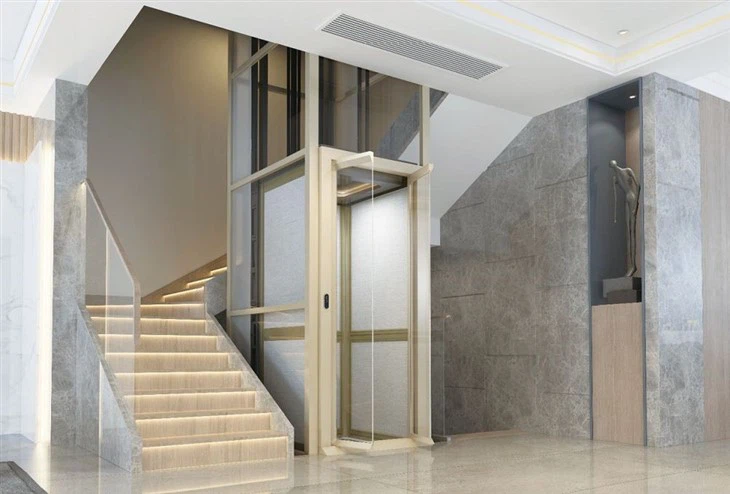
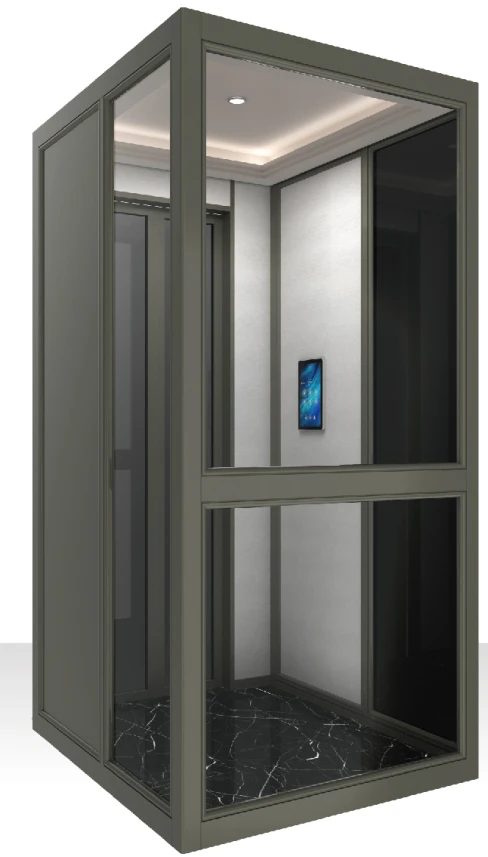
Types of Glass Home Elevators Suitable for Narrow Spaces
There are different types of glass home elevators, each with its own space requirements. Some of the most suitable options for narrow staircase areas include:
- Pneumatic Vacuum Elevators: These elevators are known for their compact design. They operate using air pressure differentials and do not require a large machine room or extensive shaft construction. Pneumatic vacuum elevators can have a relatively small footprint, making them a good choice for narrow spaces. They also offer a sleek and modern look, which is characteristic of glass home elevators.
- Hydraulic Home Elevators: Hydraulic Home Elevators are another option. While they do require a machine room, modern designs have become more space - efficient. In a narrow staircase area, a hydraulic elevator with a smaller cab size can be considered. These elevators are known for their smooth operation and ability to handle heavier loads.
Installation Considerations
When installing a glass home elevator in a narrow staircase area, several installation - related factors need to be carefully evaluated:
- Structural Integrity: The staircase structure must be able to support the weight of the elevator. A professional engineer should assess the building's structure to ensure it can handle the additional load. This may involve reinforcing the staircase or the floor if necessary.
- Shaft Construction: In a narrow space, a self - supporting shaft may be the best option. This type of shaft can be installed without relying on the existing staircase structure for support. It can be custom - designed to fit the available space and provide the necessary protection for the elevator components.
- Access and Clearance: Adequate access for installation and maintenance is crucial. There should be enough space to maneuver the elevator components during installation. Additionally, clearances around the elevator cab, such as the distance between the cab and the walls, must meet safety standards.
Design and Aesthetics
One of the advantages of a glass home elevator is its aesthetic appeal. In a narrow staircase area, the transparency of the glass can actually create an illusion of more space. The design of the elevator can be customized to blend in with the existing staircase and home decor.
For example, the glass used in the elevator cab can be tinted or frosted to provide privacy while still maintaining the modern look. The lighting inside the elevator can also be designed to enhance the overall atmosphere and make the narrow space feel more inviting.
Cost Considerations
The cost of installing a glass home elevator in a narrow staircase area can vary depending on several factors. These include the type of elevator, the complexity of the installation, and any necessary structural modifications.
Pneumatic vacuum elevators may have a lower installation cost in some cases, as they require less extensive construction work. However, hydraulic elevators, although potentially more expensive to install, may offer long - term reliability and performance benefits.
Outdoor Home Elevators as an Alternative
If the narrow staircase area inside the home proves to be too challenging for elevator installation, Outdoor Home Elevator can be considered as an alternative. Outdoor elevators can be installed on the exterior of the home, providing access between different levels without the space constraints of an indoor staircase. They can also add a unique architectural feature to the home.
Conclusion
In conclusion, it is possible to install a glass home elevator in a narrow staircase area, but it requires careful planning and consideration. By choosing the right type of elevator, ensuring proper installation, and paying attention to design and cost factors, homeowners can enjoy the convenience and luxury of an elevator even in a limited - space environment.
If you're interested in exploring the possibility of installing a glass home elevator in your narrow staircase area, I encourage you to contact us for a consultation. Our team of experts can assess your specific situation, provide detailed cost estimates, and help you make an informed decision. We are committed to providing high - quality glass home elevators that meet your needs and exceed your expectations.
References
- "Home Elevator Installation Guide" by Elevator Manufacturers Association
- "Structural Considerations for Home Elevators" in the Journal of Building Engineering
- "Aesthetic Design of Glass Home Elevators" in Interior Design Magazine