


Glass Home Elevator
Why Choose Us
Professional Team
We have a team of highly skilled professionals who are dedicated to designing and manufacturing top-notch elevator systems. Our engineers have years of experience in the industry and stay updated with the latest technological advancements.
Quality Control
Our elevator systems undergo rigorous testing and inspection procedures to ensure they meet international safety standards. This guarantees peace of mind for our customers, knowing they are investing in a product that guarantees the safety of their passengers.
Advanced Equipment
Fujim Elevator adopts advanced elevator manufacturing process standards and rigorous management systems, and applies superb full CNC machining technology and robot assembly line production.
One-stop Solution
At our company, we pride ourselves on providing exceptional customer service and support. Our team of experts is here to help you every step of the way, from elevator selection and installation to ongoing maintenance and repair.
What is a Glass Home Elevator?
A glass home elevator, also known as a residential glass elevator, is a type of elevator that is designed for personal use within a private residence. Unlike traditional elevators found in commercial buildings, glass home elevators are typically small, stylish, and made with transparent walls and ceilings.


Enhanced Aesthetic Appeal
Glass home elevators offer a sophisticated and elegant look to any residence. The transparent walls and doors allow for uninterrupted views and create a sense of openness, making the space appear larger and more stylish.
Improved Natural Lighting
The use of glass in home elevators allows natural light to flow across different levels of the house. This can brighten up the interior and reduce the need for artificial lighting, resulting in energy savings.
Interior Design Versatility
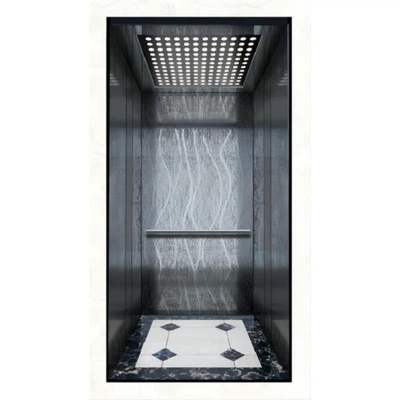
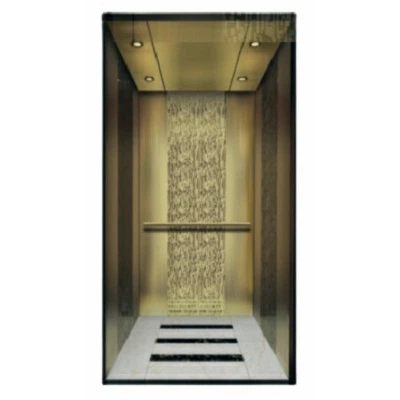
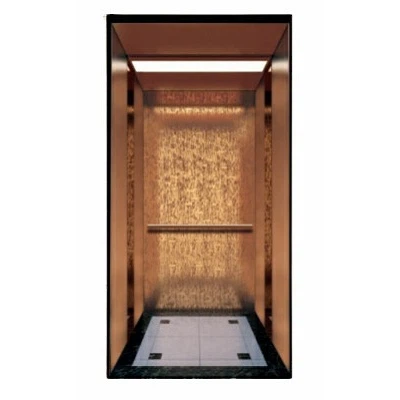
Glass elevators can be customized with various finishes, colors, and patterns to complement the overall interior design of the house. This flexibility provides homeowners with the freedom to create a unique and personalized space.
Increased Property Value
Installing a glass home elevator can significantly increase the value of a property. It adds a touch of luxury and exclusivity, attracting potential buyers who appreciate the convenience and aesthetics of a home elevator.
Accessibility For All
Glass home elevators are not just visually appealing; they also serve a practical purpose. They provide a means of easy and convenient access for individuals with limited mobility, making the entire house accessible to everyone.
Convenience And Time-saving
With a glass elevator, residents can move between floors quickly and effortlessly, eliminating the need to climb stairs. It simplifies everyday tasks such as carrying heavy items or transporting groceries, saving time and effort.
Future-proofing The Home
As individuals age or face physical challenges, a glass home elevator ensures that the residence is adaptable and suitable for all stages of life. It eliminates the need for costly renovations or moves to a different property.
Safety Features
Glass home elevators are equipped with various safety features such as emergency stop buttons, interlocks, and sensors to prevent accidents. These technologies ensure the well-being and security of the occupants.
Noise Reduction
Glass elevators are designed to be quiet and smooth during operation. This reduces noise pollution within the house, providing a peaceful and relaxing environment.
Modern Technology Integration
Many glass home elevators can be integrated with smart home automation systems. This allows users to control and monitor the elevator's functions remotely, adding convenience and connectivity to their lifestyle.
Types of Glass Home Elevator
Panoramic Elevator: This type of glass home elevator is designed with full-length glass walls and transparent doors. It offers a 360-degree view of the surroundings while ascending or descending. Panoramic elevators add a touch of elegance and luxury to homes, creating a visually stunning experience.
Glass Tube Elevator: This type of glass home elevator features a cylindrical glass shaft and a clear structure, providing a unique and modern look. Glass tube elevators often use a compact and efficient hydraulic or pneumatic system for smooth vertical movement. They are an excellent choice for homeowners seeking a futuristic design.
Glass Cabin Elevator: This type of glass home elevator has a fully enclosed glass cabin, offering a spacious and comfortable ride. The walls, ceiling, and floor are made of glass, ensuring maximum visibility. Glass cabin elevators are available in various designs, colors, and finishes, allowing homeowners to customize their elevator to complement their interior decor.
Glass Platform Elevator: This type of glass home elevator features a transparent platform supported by structural glass panels. It offers a minimalist and contemporary design, blending seamlessly with any home style. Glass platform elevators are often used in spaces with limited floor area as they occupy less space compared to traditional elevators.
Glass Traction Elevator: This type of glass home elevator utilizes glass panels for the shaft walls and can incorporate transparent or tinted doors. It operates using a traction system that involves ropes and counterweights. Glass traction elevators are known for their smooth and quiet operation, providing a comfortable and enjoyable ride experience for homeowners.
Application of Glass Home Elevator

Enhancing The Aesthetic Appeal Of Homes: Glass home elevators can add a modern and elegant touch to residential spaces. With their transparent walls, they allow natural light to flow in and create a sense of openness, making the overall interior design more visually pleasing.
Improving Accessibility For People With Mobility Issues: Glass home elevators are particularly beneficial for individuals with limited mobility, such as the elderly or those with disabilities. They provide a safe and convenient way for people to move between different floors of their homes, eliminating the need for stairs and reducing the risk of accidents.
Increasing Property Value: Installing a glass home elevator can significantly increase the value of a property. This is especially true in luxury homes and high-end real estate markets where modern and unique features are highly sought after. Homeowners can expect a higher return on investment when they decide to sell their property.
Enhancing The Living Experience: Using a glass home elevator can greatly enhance the overall living experience for homeowners. It provides a more convenient and luxurious way to navigate through a multi-story residence, making daily activities such as carrying groceries or moving furniture much easier. Additionally, it can offer a sense of prestige and exclusivity, enhancing the homeowner's pride in their living space.
Creating A Focal Point And Conversation Starter: Glass elevators can serve as a striking focal point in homes, drawing attention and sparking conversation among visitors. They can become a unique feature that makes a lasting impression on guests, adding a sense of sophistication and style to the overall interior design.
Versatility In Design Options: Glass home elevators come in various designs, allowing homeowners to customize and adapt them to their specific needs and preferences. They can be integrated seamlessly into existing architectural styles, whether it be a contemporary or traditional home. Homeowners have the flexibility to choose different wall finishes, lighting options, and even add personalized decorations to create a truly unique and personalized elevator.

Components of Glass Home Elevator
Glass Enclosure
The glass enclosure is the most prominent component of a glass home elevator. It provides a clear view of the surroundings and adds a touch of elegance to the home. The enclosure is made of tempered glass panels that are sturdy and safe.
Cab
The cab is the compartment where passengers stand or sit during their elevator ride. In a glass home elevator, the cab is also made of glass, allowing passengers to enjoy panoramic views as they move between floors. The cab is equipped with safety features such as handrails and emergency buttons.
Door System
The door system of a glass home elevator consists of glass doors that open and close automatically. The doors are fitted with sensors to prevent accidents and ensure smooth operation. The glass doors add to the aesthetic appeal of the elevator and enhance the overall design.
Control Panel
The control panel is the interface through which passengers can select their desired floor and operate the elevator. In a glass home elevator, the control panel is usually located inside the cab and is user-friendly. It may include buttons, touch screen displays, or a combination of both.
Safety Mechanisms
Glass home elevators are equipped with various safety mechanisms to ensure the well-being of the passengers. These mechanisms include emergency stop buttons, overload sensors, and interlocks that prevent the elevator from operating if the doors are not fully closed.
Drive System
The drive system is responsible for the movement of the elevator. In a glass home elevator, the drive system may be hydraulic or traction-based. Hydraulic systems use pistons to move the cab, while traction systems rely on ropes and pulleys. Both systems are efficient and reliable.
Lighting
Glass home elevators often feature stylish lighting options to enhance the aesthetic appeal of the elevator and create a welcoming ambiance. LED lights are commonly used for their energy efficiency and versatility. Lighting fixtures may be installed on the ceiling, walls, or floor of the cab.
Elevator Shaft
The elevator shaft is the vertical space through which the elevator moves. In a glass home elevator, the shaft is also made of glass, providing a seamless and visually appealing experience. The glass shaft can be customized with patterns or designs to match the home's interior.
Material of Glass Home Elevator
Tempered Glass: Tempered glass is one of the most common materials used for glass home elevators. It is a safety glass that undergoes a special heating and cooling process, making it stronger and less likely to break. Tempered glass is durable and can withstand high levels of pressure, making it suitable for elevator shafts.
Laminated Glass: Laminated glass is another popular choice for glass home elevators. It consists of two or more layers of glass with a layer of polyvinyl butyral (PVB) in between. This layer of PVB helps to hold the glass together if it shatters, reducing the risk of injury. Laminated glass provides excellent sound insulation and is highly resistant to UV radiation.
Low-Iron Glass: Low-iron glass, also known as extra-clear glass, is a type of glass that has a reduced iron content. This gives it a higher transparency and a clearer appearance compared to regular glass. Low-iron glass is often used for glass elevators to enhance the visual impact, allowing for unobstructed views and a brighter interior.
Frosted or Textured Glass: For those who prefer some level of privacy, frosted or textured glass can be an excellent choice. Frosted glass is treated with acid or sandblasted to create a translucent appearance, allowing light to enter while obscuring the view. Textured glass, on the other hand, features patterns or designs that add visual interest to the elevator.
Colored Glass: Colored glass is a popular option for those looking to add a unique and vibrant touch to their home elevator. Various colors and shades are available, allowing homeowners to match their elevator with the overall color scheme of their interiors. Colored glass can create a stunning visual effect and make a bold statement.
What are The Requirements for Installing a Glass Home Elevator?


Space Requirements: The first consideration is the availability of adequate space in your home. The installation of a glass home elevator requires a dedicated shaft or hoistway, which should be designed and constructed according to specific measurements. A minimum clear floor area is required to accommodate the elevator car dimensions.
Structural Support: As a glass home elevator adds weight to your home's structure, it is essential to ensure that the building can handle this additional load. Structural engineering analysis is necessary to determine if any reinforcements or modifications are needed.
Electrical Supply: A reliable and dedicated power supply is essential for the operation of the elevator. An electrician will need to evaluate your home's electrical system to ensure it can handle the elevator's power requirements.
Permits And Codes: Before installing a glass home elevator, you must obtain the necessary permits and adhere to local building codes and regulations. It is advisable to consult with a licensed contractor or elevator installation company to understand and fulfill these requirements.
Safety Features: Glass home elevators come with various safety features that are mandatory for installation. These typically include emergency stop buttons, backup power supply in case of power failure, handrails, emergency lights, and interlocks to prevent the elevator from moving unless the doors are securely closed.
Accessibility Requirements: To make the elevator easily accessible for all users, it is important to consider various accessibility requirements, including door widths, height and size of buttons, visual and auditory signals, and proper handrail positioning.
Maintenance And Service: Regular maintenance and service are crucial to ensure the elevator's continued safe and efficient operation. Finding a reputable elevator service provider who can provide timely inspections, maintenance, and repairs is essential.
Aesthetics And Customization: If you opt for a glass home elevator, you may have specific customization requirements based on your preferences and home design. Consider factors such as the type of glass, cabin size, flooring, lighting, and control panel design to achieve the desired look and feel of your elevator.
Safety And Maintenance Tips For Your Glass Home Elevator
Conduct Regular Inspections: It is important to regularly inspect your glass home elevator to ensure that all components are in good working condition. Check for any signs of wear and tear, such as frayed cables or loose screws. Additionally, inspect the glass panels for any cracks or damage.
Keep The Area Clear: Make sure the area surrounding the elevator is free from any obstacles or clutter. This will prevent any accidents or damage to the elevator. Avoid placing any objects near the doors that could interfere with the opening and closing mechanism.
Follow Weight Restrictions: Glass home elevators have weight restrictions for a reason. Make sure to adhere to these restrictions and avoid overloading the elevator. Exceeding the weight limit can put unnecessary strain on the elevator's components, leading to potential malfunctions or accidents.
Educate Users On Safety Guidelines: It is essential to inform anyone using the elevator about the safety guidelines. This includes ensuring that passengers know not to lean or put excessive pressure on the glass panels. Additionally, instruct users to refrain from forcing open the doors if they are stuck, and to wait for professional assistance.
Test Emergency Features Regularly: Familiarize yourself with the emergency features of your glass home elevator and test them regularly. This includes the emergency stop button, as well as the emergency phone or call system. Regular testing will ensure that these features are functioning properly and can be relied upon in case of an emergency.
Schedule Regular Maintenance: Enlist the services of a professional elevator maintenance company to conduct regular servicing of your glass home elevator. Regular maintenance can help identify and address any potential issues before they escalate into major problems. This includes lubricating moving parts, inspecting electrical systems, and checking for any loose connections.
Keep A Logbook: Maintain a logbook to document all inspections, maintenance activities, and any repairs or malfunctions. This will provide a valuable record of the elevator's history and help in identifying patterns, as well as ensuring accountability in case of any accidents or disputes.
Stay Up To Date With Regulations: Stay informed about any updates or changes in elevator safety regulations. Compliance with these regulations is essential to ensure the safety and functionality of your glass home elevator. Regularly check for any new guidelines or requirements and make necessary adjustments or upgrades accordingly.
Certificate


Our Factory
FUJIM Elevator set up its own quality management system and passed many international elevator certificates inspection. FUJIM have the certificate such as ISO9001, CE certificate,etc. With certificate Guarantee, We strictly produce accords with the Chinese, European and Russian standard to organize the manufacture to make sure the products with high quality level.

Frequently Asked Questions Glass Home Elevator
Q: What makes the glass elevator work?
Q: What are the Benefits of a Glass Elevator?
Q: How Much Maintenance Does a Glass Elevator Need?
Q: What are the different types of glass elevators?
Q: How thick is the glass in a glass elevator?
Q: How thick are glass elevators?
Q: What are glass elevators made of?
Q: What are the dimensions of a residential glass elevator?
Q: What is a glass home elevator?
Q: How does a glass home elevator work?
Q: What are the advantages of a glass home elevator?
Q: Are glass home elevators safe?
Q: Can a glass home elevator be customized?
Q: What is the weight capacity of a glass home elevator?
Q: How much space is needed for a glass home elevator?
Q: Are glass home elevators energy-efficient?
Q: Can a glass home elevator be installed in an existing home?
Q: How much does a glass home elevator cost?
Q: Are glass home elevators noisy?
Q: What powered the glass elevator?
Hot Tags: glass home elevator, China glass home elevator manufacturers, suppliers, factory, Mini Home Elevator, Small Home Elevator, Villa Elevator, Indoor Residential Elevators, Outdoor Home Elevator, Hydraulic Home Elevator
Previous
Outdoor Home ElevatorYou Might Also Like


Send Inquiry