


Dumbwaiter
Why Choose Us
Professional Team
We have a team of highly skilled professionals who are dedicated to designing and manufacturing top-notch elevator systems. Our engineers have years of experience in the industry and stay updated with the latest technological advancements.
Quality Control
Our elevator systems undergo rigorous testing and inspection procedures to ensure they meet international safety standards. This guarantees peace of mind for our customers, knowing they are investing in a product that guarantees the safety of their passengers.
Advanced Equipment
Fujim Elevator adopts advanced elevator manufacturing process standards and rigorous management systems, and applies superb full CNC machining technology and robot assembly line production.
One-stop Solution
At our company, we pride ourselves on providing exceptional customer service and support. Our team of experts is here to help you every step of the way, from elevator selection and installation to ongoing maintenance and repair.
What is a Dumbwaiter?
A dumbwaiter is a small elevator typically found in homes, apartments or commercial buildings that is used for transporting objects between floors. They are commonly used to move food, dishes, and other serving items between the kitchen and dining areas in homes, or for moving luggage and other items between floors in hotels or apartment buildings.


Efficient Transportation In Multi-level Buildings
Dumbwaiters provide a convenient and efficient way of transporting goods, such as food, laundry, or documents, between different floors of a building. This saves time and effort for employees or residents who no longer need to manually carry heavy or bulky items up and down stairs.
Increased Productivity
By eliminating the need for individuals to transport items manually, dumbwaiters allow employees to focus on their primary tasks and responsibilities. This can significantly increase productivity, especially in industries where frequent movement of goods between levels is required.
Improved Safety
Manual transportation of heavy items can pose risks of accidents, such as slips and falls, strains, or dropping objects. Dumbwaiters offer a safer alternative by securely transporting goods without the need for human handling. This reduces the potential for injuries and ensures the safety of both employees and residents.
Time-saving
With a dumbwaiter, goods can be transported quickly between levels, saving time for both employees and residents. This is particularly beneficial in busy environments or during peak business hours when time is of the essence.
Enhanced Accessibility
Dumbwaiters are especially advantageous for individuals with mobility issues, as they provide a way to easily transport items between floors without the need for strenuous physical effort. This promotes inclusivity and enables everyone to access different levels of a building, regardless of their physical abilities.
Space-saving
Dumbwaiters are typically designed to fit into small spaces, such as hallways or closets, without occupying valuable floor space. This allows buildings to maximize their usable areas while still benefiting from the convenience of elevator-like transportation for goods.
Versatility
Dumbwaiters can be tailored to meet specific needs and requirements, whether it is in a residential, commercial, or industrial setting. They can be customized in terms of size, weight capacity, and interior design to accommodate various types of items, ensuring efficient transportation for a wide range of purposes.
Types of Dumbwaiter
Manual Dumbwaiters: This is the most basic type of dumbwaiter and is operated manually. It usually consists of a small platform that can be raised or lowered by pulling a rope or using a crank. Manual dumbwaiters are often used in smaller buildings or older establishments where simplicity and cost-effectiveness are priorities.
Electric Dumbwaiters: Electric dumbwaiters are powered by an electric motor and are controlled using a switch or a button. They offer greater convenience and ease of use compared to manual dumbwaiters. Electric dumbwaiters are commonly used in residential buildings and commercial establishments where transporting goods between floors is a frequent occurrence.
Hydraulic Dumbwaiters: Hydraulic dumbwaiters use a hydraulic system to lift and lower the platform. They are known for their smooth and quiet operation. Hydraulic dumbwaiters are ideal for buildings that require heavy-duty lifting capabilities or buildings with limited space for a machine room. They are commonly found in hospitals, restaurants, and hotels.
Customized Dumbwaiters: Customized dumbwaiters are specially designed to meet specific requirements and can be tailor-made to fit the unique needs of a building or establishment. These dumbwaiters can be customized in terms of size, weight capacity, materials used, and even aesthetic design. This type of dumbwaiter is commonly used in luxury residences, historical buildings, and high-end establishments where style and functionality go hand in hand.
Fire-Rated Dumbwaiters: Fire-rated dumbwaiters are designed to withstand fire and prevent the spread of flames between floors. They are equipped with fire-rated doors and walls to provide additional safety in case of a fire emergency. Fire-rated dumbwaiters are commonly used in commercial buildings, such as restaurants or hotels, where fire safety regulations are strictly enforced.
Application of Dumbwaiter
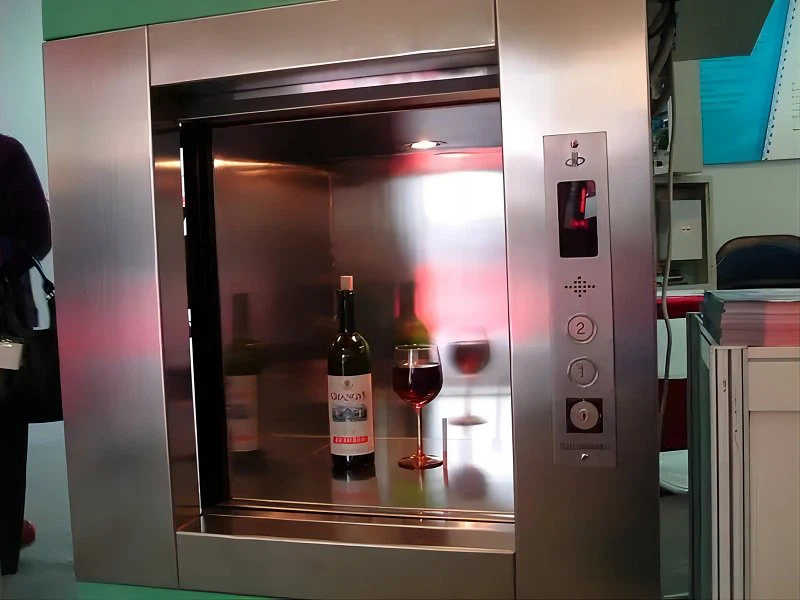
Application of Dumbwaiter- In Residential Buildings
Efficient transport of goods: Dumbwaiters are commonly used in residential buildings to transport items between different floors. They are particularly useful for carrying heavy or bulky items such as groceries, laundry, or luggage. This saves residents from the hassle of carrying these items up and down stairs, saving time and effort.
Independent living for the elderly or disabled: Dumbwaiters provide a convenient solution for individuals who may have mobility issues. Elderly or disabled residents can use the dumbwaiter to easily move items between floors without relying on the assistance of others. This enhances their independence, making daily tasks more manageable.
In Commercial Buildings
Smooth operation in restaurants and hotels: Dumbwaiters are widely used in restaurants and hotels to facilitate the transport of food, dishes, and other supplies between different levels. This enables staff to efficiently serve customers and maintain a smooth workflow in the kitchen or dining areas.
Secure transport of goods in hospitals: Dumbwaiters are also utilized in hospitals to transport sensitive items such as medications, documents, or medical equipment. Their enclosed design ensures the safe and secure movement of these important materials, without the risk of damage or contamination.
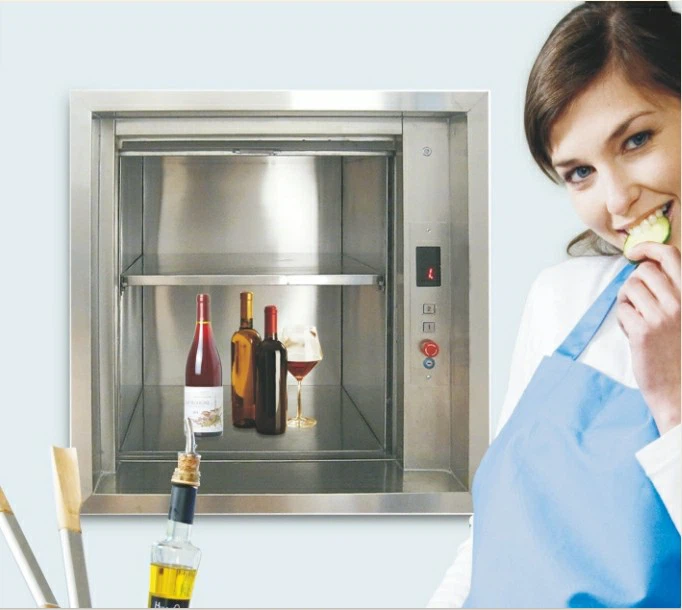
In Historic Buildings
Preserving architectural integrity: Dumbwaiters are often installed in historic buildings to maintain the original design and layout of the structure. As historical buildings may have narrow staircases or limited space, adding a dumbwaiter allows for modern convenience without compromising the architectural integrity or aesthetic appeal.
Enhancing accessibility in museums and galleries: Dumbwaiters can be used in museums or galleries to transport artwork, artifacts, or exhibition materials between different floors. By providing a discreet and convenient method of transportation, dumbwaiters help curators and staff organize exhibitions and ensure easy access to valuable items.
In Industrial Settings
Streamlining production processes: Dumbwaiters are valuable in industrial settings where the movement of goods or materials is crucial for efficient production. They can be used to transport raw materials, finished products, or tools between different levels, reducing the time and effort required to manually move these items.
Ensuring workplace safety: Dumbwaiters are designed with safety features such as sensors, emergency stop buttons, and secure doors. In industrial environments, they help mitigate the risk of accidents or injuries by providing a controlled and reliable means of transporting heavy or hazardous materials.
Components of Dumbwaiter
Car: The car refers to the enclosed space used to transport items between different floors. It is typically made of sturdy materials such as stainless steel and is designed to hold a specific weight capacity. The car may have shelves or racks to accommodate different items.
Guide Rails: Guide rails are vertical tracks installed along the walls of the shaft that the dumbwaiter car moves along. These rails provide stability and ensure smooth and controlled movement of the car between floors.
Drive System: The drive system consists of various components that power the movement of the dumbwaiter car. This may include an electric motor, pulleys, and cables or chains. The drive system ensures that the car moves up and down safely and efficiently.
Control System: The control system is responsible for managing the operation of the dumbwaiter. It typically includes buttons or switches located in the car and on each floor for users to call and control the movement of the dumbwaiter. The control system may also incorporate safety features such as emergency stop buttons and overload sensors.
Safety Features: Dumbwaiters are equipped with various safety features to prevent accidents and ensure the well-being of users. These may include door interlocks, which prevent the car from moving unless the door is securely closed, and slack cable or chain safety devices, which prevent the car from falling in the event of a malfunction.
Doors: Dumbwaiters have doors on each floor to access the car. These doors are typically made of durable materials and have safety features to prevent unauthorized access or accidental opening during operation.
Intercom or Communication System: Many dumbwaiters are equipped with an intercom or communication system that allows users to communicate with each other or with the building occupants while using the dumbwaiter. This enhances convenience and safety.
Optional Features: Depending on the specific needs of the user, dumbwaiters can be equipped with additional features. These may include temperature controls for transporting perishable items, special lighting for easy loading and unloading, or even remote control systems for added convenience.
Material of Dumbwaiter
Stainless Steel: Stainless steel is a popular choice for dumbwaiter construction due to its high strength and durability. It can withstand heavy loads and is resistant to corrosion, making it ideal for environments where frequent exposure to moisture or chemicals is expected. Additionally, stainless steel has a sleek and modern appearance, which adds to the overall aesthetics of the dumbwaiter.
Aluminum: Aluminum is another commonly used material for dumbwaiters. It is lightweight yet sturdy, making it suitable for smaller dumbwaiter systems with lower load capacities. Aluminum is also resistant to corrosion and requires minimal maintenance. This material is known for its affordability, making it an economical choice for many builders and homeowners.
Wood: In some cases, wood is used for constructing dumbwaiters, especially in residential settings. Wood offers a traditional and elegant look that can blend well with the interior décor. However, it is important to ensure that the wood used is treated properly to prevent rotting or warping due to exposure to moisture. While wood may not be as durable as stainless steel or aluminum, it can still be a suitable choice for lighter loads in residential properties.
Glass: For those looking for a modern and stylish dumbwaiter, glass can be used as a material. Glass dumbwaiters can add a touch of elegance to commercial spaces, creating a visually appealing and sophisticated atmosphere. However, it is essential to ensure that the glass used is of high quality and can withstand the weight and stress placed upon it.
Understand The Purpose Of A Dumbwaiter: A dumbwaiter is a small freight elevator that is used to transport items between different floors, especially in homes, restaurants, and hotels. It can save time and effort when transferring heavy or bulky objects.
Familiarize Yourself With The Dumbwaiter's Controls: Most dumbwaiters have simple control panels with buttons to operate the lift. It's important to know which buttons correspond to up and down movements, as well as the emergency stop button.
Load Items Safely: Before using the dumbwaiter, make sure the items you want to transport are secure and won't shift during the movement. Place them in a strong and stable container, such as a sturdy box or a heavy-duty tray.
Open The Dumbwaiter Door: Depending on the design, the dumbwaiter may have doors on both the upper and lower floors. Open the appropriate door and ensure there is enough clearance for the loaded items.
Press the appropriate button
If you want to send items from the upper floor to the lower floor, press the down button. Similarly, if you want to transport items from the lower floor to the upper floor, press the up button.
Keep an eye on the dumbwaiter
As the dumbwaiter moves, keep an eye on it to ensure everything is working properly. If you notice any unusual noises, vibrations, or malfunctions, stop using the dumbwaiter immediately and seek professional assistance.
Unload the items
Once the dumbwaiter arrives at the desired floor, open the door and carefully remove the items. Make sure to handle them with care and avoid any potential injuries.
Close the dumbwaiter door
After the items have been removed, close the dumbwaiter door securely. It's important to keep the dumbwaiter doors closed when not in use to prevent any accidents or unauthorized access.
Regular maintenance
To ensure the efficient and safe operation of the dumbwaiter, it's essential to schedule regular maintenance. This may include lubricating the mechanical parts, inspecting the cables, and checking the safety features.
Follow safety guidelines
Always follow the manufacturer's instructions and safety guidelines when operating the dumbwaiter. Avoid overloading the lift, never use it as a means of transportation for people, and perform regular safety checks.
Dumbwaiter Things to note
Purpose: Dumbwaiters are primarily used in commercial buildings, restaurants, hotels, hospitals, and residences where there is a need to transport goods between floors quickly and conveniently.
Size and Capacity: Dumbwaiters come in various sizes, with weight capacities ranging from a few hundred pounds to over a thousand pounds. The size and capacity of a dumbwaiter depend on its intended use and the items it will transport.
Installation: Dumbwaiters can be installed in existing buildings or included in the design of new constructions. Professional installation is required to ensure safe and proper operation.
Safety Features: Dumbwaiters are equipped with safety features such as interlocks, door sensors, and emergency stop buttons. These features prevent accidents and ensure the protection of users and the items being transported.
Controls: Dumbwaiters can be operated using different types of controls, including buttons or switches located inside the dumbwaiter itself or on each floor it serves. Advanced models may also use touchscreen controls for easy navigation.
Maintenance: Regular maintenance is crucial to keep a dumbwaiter in optimal working condition. This includes lubrication of moving parts, inspection of cables and pulleys, and testing of safety features.
Cost and Efficiency: The cost of a dumbwaiter installation depends on factors such as size, capacity, and complexity. However, the efficiency and time-saving benefits of a dumbwaiter often outweigh the initial investment.
Regulations and Codes: Dumbwaiter installations must comply with local building codes and regulations. These codes ensure the safety of users and the proper operation of the dumbwaiter.
Accessibility: Dumbwaiters can improve accessibility within a building, especially for individuals with mobility issues. They provide a convenient way to transport heavy items to different floors without relying on stairs or elevators.
Usage Considerations: When using a dumbwaiter, it is essential to consider weight limits, not overload the dumbwaiter, and avoid transporting hazardous or flammable materials.
Certificate


Our Factory
FUJIM Elevator set up its own quality management system and passed many international elevator certificates inspection. FUJIM have the certificate such as ISO9001, CE certificate,etc. With certificate Guarantee, We strictly produce accords with the Chinese, European and Russian standard to organize the manufacture to make sure the products with high quality level.

Frequently Asked Questions Dumbwaiter
Q: How much can a dumbwaiter hold?
Q: Is a dumbwaiter worth it?
Q: Are Dumbwaiters Safe?
Q: Can I Use the Dumbwaiter During a Power Outage?
Q: How Many Stops Can the Dumbwaiter Make?
Q: Is a Pit Required for a Dumbwaiter?
Q: What is a dumbwaiter?
Q: Where are dumbwaiters typically found?
Q: What are the benefits of installing a dumbwaiter?
2. Space-saving: A dumbwaiter can help free up space in a home or building by eliminating the need for large, bulky furniture or carts to transport items between floors.
3. Safety: A dumbwaiter can provide a safer way to transport heavy or fragile items between floors, reducing the risk of injury or damage.
4. Energy efficiency: A dumbwaiter can help reduce the amount of energy used to transport items between floors, as it operates on a mechanical pulley system rather than electric power.
5. Increased value: Installing a dumbwaiter can increase the value of a home or building, especially for those with mobility challenges or who require assistance with daily tasks.
Q: Are dumbwaiters safe to use?
Q: How much weight can a dumbwaiter carry?
Q: Can a dumbwaiter be customized to fit specific needs?
Q: Are dumbwaiters noisy?
Q: How is a dumbwaiter powered?
Q: Are there any building regulations or codes for installing a dumbwaiter?
Q: How often does a dumbwaiter require maintenance?
Q: Can a dumbwaiter be retrofitted into an existing building?
Q: Are there any specific safety precautions to follow when using a dumbwaiter?
Q: Can a dumbwaiter be used as a passenger elevator?
Q: How big is a dumb waiter?