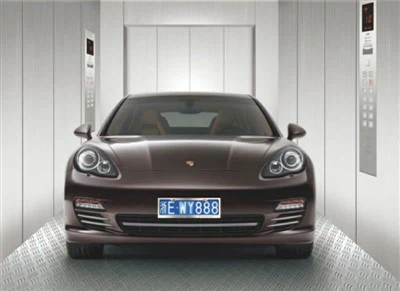
Hey there! As a car elevator supplier, I often get asked about the installation costs of car elevators in high - rise buildings. It's a topic that's not only important for building owners but also for those looking to add a touch of luxury and functionality to their properties. So, let's dive right in and break down the factors that influence these costs.
1. Size and Capacity of the Car Elevator
The size and capacity of the car elevator are among the most significant factors affecting installation costs. A larger elevator that can accommodate bigger vehicles, like SUVs or luxury cars, will generally cost more to install. This is because larger elevators require more materials, stronger structural support, and more powerful machinery.
For instance, a small - sized car elevator designed for compact cars might have a relatively lower installation cost. These elevators usually have a smaller footprint and can be installed in more confined spaces. On the other hand, a high - capacity elevator that can handle multiple vehicles or large commercial trucks will need a more substantial construction effort, including reinforced building structures and larger hoistways.
If you're interested in a car elevator that can handle various types of vehicles, you might want to check out our Car Freight Elevator. It's designed to offer flexibility and high - load capacity.
2. Type of Car Elevator
There are different types of car elevators available in the market, and each comes with its own installation cost.
- Hydraulic Car Elevators: These elevators are powered by hydraulic systems. They are known for their smooth and quiet operation. However, the installation of hydraulic car elevators can be more expensive due to the need for a hydraulic pump station, oil lines, and a pit for the hydraulic cylinders. The pit construction alone can add a significant amount to the overall cost.
- Traction Car Elevators: Traction elevators use ropes and counterweights to move the elevator car. They are more energy - efficient than hydraulic elevators in the long run. The installation of traction car elevators requires a machine room at the top of the hoistway, which also adds to the cost. But they are a great option for high - rise buildings where speed and energy efficiency are crucial.
- Pneumatic Car Elevators: These are a relatively new type of elevator. They use air pressure to move the elevator car. Pneumatic car elevators are often more affordable to install as they don't require a machine room or a pit. However, their capacity is usually limited, and they might not be suitable for very large vehicles.
If you're running a commercial building and need a reliable car elevator, our Car Elevator Commercial offers a great solution with different types to choose from.
3. Building Structure and Modifications
The existing structure of the high - rise building plays a vital role in determining the installation cost. If the building was not originally designed to accommodate a car elevator, significant modifications might be required.
- Hoistway Construction: A hoistway is the vertical shaft in which the elevator moves. Building a new hoistway or modifying an existing one can be a costly process. It involves cutting through floors, reinforcing the building structure, and ensuring proper ventilation and fire - safety measures.
- Machine Room Installation: As mentioned earlier, some types of elevators require a machine room. If the building doesn't have a suitable space for the machine room, additional construction work will be needed, which adds to the cost.
- Doorways and Entrances: The size and location of the doorways and entrances to the elevator need to be carefully planned. Modifying existing doorways or creating new ones can also increase the installation cost.
4. Safety Features and Regulations
Safety is of utmost importance when it comes to car elevators. High - rise buildings are subject to strict safety regulations, and the installation of a car elevator must comply with these standards.
- Emergency Braking Systems: All car elevators are required to have emergency braking systems. These systems are designed to stop the elevator in case of an emergency, such as a power failure or a mechanical malfunction. The cost of installing and testing these systems is included in the overall installation cost.
- Fire - Safety Measures: Fire - resistant materials, fire - proof doors, and sprinkler systems are often required in the elevator hoistway and machine room. These safety features add to the cost but are essential for protecting the building and its occupants.
- Compliance with Local Regulations: Different regions have different building codes and regulations regarding elevator installation. Ensuring compliance with these regulations might require additional inspections, permits, and modifications, all of which contribute to the cost.
5. Additional Features and Customization
Many building owners like to add additional features and customize their car elevators to meet their specific needs.
- Interior Finishes: You can choose from a variety of interior finishes for the elevator car, such as wood paneling, stainless steel, or luxury carpeting. These custom finishes can significantly increase the cost.
- Smart Technology: Integrating smart technology into the elevator, such as touch - screen controls, remote monitoring, and access control systems, can also add to the installation cost. However, these features can enhance the user experience and improve the overall functionality of the elevator.
- Lighting and Ventilation: Proper lighting and ventilation are important for the comfort of the passengers. Installing high - quality lighting fixtures and ventilation systems can increase the cost but also make the elevator more pleasant to use.
Estimating the Installation Costs
So, how much does it actually cost to install a car elevator in a high - rise building? Well, it's hard to give an exact figure as it depends on all the factors mentioned above. However, as a rough estimate, the installation cost of a basic car elevator in a high - rise building can range from $50,000 to $150,000. For more high - end, customized elevators with advanced features, the cost can go up to $200,000 or more.
It's important to note that these are just ballpark figures, and the actual cost can vary widely depending on the specific requirements of your project.


Why Choose Our Car Elevators?
At our company, we have years of experience in supplying and installing car elevators in high - rise buildings. We offer a wide range of car elevators to suit different budgets and requirements. Our team of experts will work closely with you to understand your needs and provide you with a detailed cost estimate.
We use high - quality materials and state - of - the - art technology to ensure the safety and reliability of our elevators. Our installation process is efficient and minimally disruptive to your building operations. And we provide excellent after - sales service to keep your elevator running smoothly for years to come.
Contact Us for a Quote
If you're interested in installing a car elevator in your high - rise building, don't hesitate to contact us. We'd be more than happy to discuss your project, answer your questions, and provide you with a customized quote. Whether you're looking for a basic, cost - effective solution or a high - end, luxurious elevator, we've got you covered.
References
- Building Code Requirements for Elevators and Escalators. American Society of Mechanical Engineers (ASME).
- Elevator Installation and Maintenance Best Practices. National Elevator Industry, Inc. (NEII).