


Escalator
Why Choose Us
Professional Team
We have a team of highly skilled professionals who are dedicated to designing and manufacturing top-notch elevator systems. Our engineers have years of experience in the industry and stay updated with the latest technological advancements.
Quality Control
Our elevator systems undergo rigorous testing and inspection procedures to ensure they meet international safety standards. This guarantees peace of mind for our customers, knowing they are investing in a product that guarantees the safety of their passengers.
Advanced Equipment
Fujim Elevator adopts advanced elevator manufacturing process standards and rigorous management systems, and applies superb full CNC machining technology and robot assembly line production.
One-stop Solution
At our company, we pride ourselves on providing exceptional customer service and support. Our team of experts is here to help you every step of the way, from elevator selection and installation to ongoing maintenance and repair.
What is a Escalator?
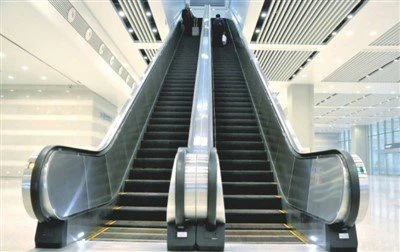
An escalator is a moving staircase that is used to transport people between different floors of a building. It consists of a series of steps that are mounted on a continuously moving chain, which moves the steps up or down. Escalators are typically powered by electric motors and can move both directions depending on the needs of the building.



Benefits of Escalator
Efficiency
Escalators offer a quick and efficient way to move large numbers of people between different floors of a building. They can transport a high volume of people in a short amount of time, reducing congestion in busy areas such as airports, shopping malls, and train stations.
Convenience
Escalators provide a convenient mode of transportation, especially for those who have difficulty using stairs or carrying heavy luggage. They eliminate the need to climb stairs, making it easier for people with mobility issues or physical disabilities to navigate through different levels of a building.
Time-saving
Unlike elevators, escalators do not require waiting time, as they continuously move. This helps to save time, especially during peak hours or rush periods when elevators may be crowded or slow. People can simply step onto the escalator and start moving without any delay.
Safety
Escalators are designed with safety features that ensure the well-being of users. Handrails, for example, provide support and stability while riding the escalator. Automatic sensors detect any obstructions on the steps, immediately stopping the escalator to prevent accidents. Emergency stop buttons are also installed for quick action in case of emergencies.
Space-saving
Escalators take up less space compared to elevators, making them a practical choice for buildings with limited floor area. They can be installed in narrow corridors or tight spaces, maximizing the available area for other purposes.
Energy Efficiency
Escalators are generally more energy-efficient compared to elevators. The continuous movement of the steps requires less power than the frequent starts and stops of elevators. Some escalators are equipped with energy-saving features such as automatic start-stop functions or LED lighting systems to reduce energy consumption.
Architectural Aesthetics
Escalators can enhance the aesthetic appeal of a building, adding a modern and dynamic element to its design. They often serve as a centerpiece or focal point in large public spaces, becoming an architectural attraction themselves.
Psychological Benefits
Riding an escalator can provide a sense of novelty and excitement, especially for children or those who have never experienced it before. The smooth and rhythmic movement of the escalator can also have a calming effect on people, making their journey more enjoyable.
Types of Escalator
Standard Escalator: The standard escalator is the most common type and is commonly found in shopping malls, airports, and train stations. It consists of a moving staircase that carries people between different levels. The steps are made of metal or sturdy material and are designed to move smoothly to transport people efficiently.
Moving Walkways: Moving walkways, also known as travelators, are a type of escalator that is designed for passengers to stand or walk along a horizontal or inclined surface. They are often used in airports and train stations to transport passengers over long distances without having to walk. Moving walkways can be straight or curved, and they are equipped with handrails for support.
Spiral Escalators: Spiral escalators are a visually appealing and space-saving alternative to traditional straight escalators. Instead of being a simple straight design, spiral escalators have curved steps that form a spiral shape, allowing for a more efficient use of space. They are commonly found in high-end shopping malls and large commercial buildings.
Double-Deck Escalators: Double-deck escalators are designed with two separate sets of steps, one above the other. These escalators are commonly used in high-traffic areas where a large number of people need to be transported efficiently. By utilizing two levels of steps, double-deck escalators can carry more passengers at a time, reducing congestion and wait times.
Outdoor Escalators: Outdoor escalators are designed to withstand various weather conditions, making them suitable for outdoor locations such as pedestrian areas, parks, and stadiums. They are built with materials that are resistant to corrosion and have features like weatherproof enclosures and non-slip surfaces to ensure passenger safety.
Heavy-Duty Escalators: Heavy-duty escalators are specifically designed to handle heavy loads and are commonly used in industrial settings or areas with high foot traffic. These escalators are highly durable and are capable of withstanding constant use without malfunctioning. They often have wider steps and handrails to accommodate large items or equipment.
Eco-friendly Escalators: With growing concerns about environmental sustainability, eco-friendly escalators are becoming more popular. These escalators are designed with energy-saving features such as LED lighting, motion sensors that reduce operation when not in use, and efficient motor systems that minimize power consumption.
Barrier-Free Escalators: Barrier-free escalators are designed to accommodate individuals with disabilities or mobility issues. They have features such as larger step sizes, braille instructions, and audible announcements to assist visually impaired passengers. Handrails are also extended to cater to passengers with mobility aids like wheelchairs or walkers.
Application of Escalator


Shopping Malls: Escalators are a common feature in shopping malls, allowing shoppers to effortlessly move between different floors and browse various stores. They help in attracting more foot traffic to different levels of the mall and enhance the overall shopping experience.
Office Buildings: Escalators are installed in office buildings to facilitate the movement of employees and visitors between different floors. They eliminate the need for waiting for elevators and provide a quicker and more efficient method of vertical transportation.
Stadiums And Arenas: In large stadiums and arenas, escalators are utilized to handle the flow of a massive crowd moving to different levels and seating areas. They ensure smooth and safe movement during sports events and concerts, reducing congestion and potential accidents.
Public Spaces: Escalators are often installed in public spaces such as museums, libraries, and exhibition halls. They allow visitors to easily access different levels of these facilities, making it more convenient for them to explore and navigate through the space.
Hospitals: Escalators are incorporated into hospitals to facilitate the movement of patients, doctors, and staff between different floors. They provide a swift and efficient means of transportation, especially in emergency situations or when patients need to be transferred quickly.
Hotels: Many hotels feature escalators for guests to move between different levels, especially in large properties with multiple floors. Escalators enhance the overall guest experience by providing a seamless and convenient mode of transportation within the hotel premises.
Residential Buildings: Some high-rise residential buildings incorporate escalators in their design to offer residents an alternative mode of transportation, particularly for those living in the higher floors. Escalators provide a convenient and relatively quick way to move between different levels of the building.
Components of Escalator
Truss: The truss is the framework structure that supports the entire escalator system. It provides stability and rigidity to the escalator, ensuring it can handle the weight and movement of passengers.
Steps: The steps are the moving platforms that passengers stand on while riding the escalator. They are made of durable materials such as metal or rubber and are designed to provide a safe and comfortable surface for passengers to step on.
Comb Plates: Comb plates are located at both ends of the escalator and serve as a safety feature. These plates prevent passengers from accidentally stepping off the escalator by closing the gap between the steps and the landing floor.
Handrails: Handrails are an essential component of an escalator as they provide support and stability for passengers while they ride. They are typically made of rubber or other non-slip materials and move at the same speed as the steps, allowing passengers to hold on securely.
Balustrade: The balustrade is the glass or metal structure that runs along the sides of the escalator. It provides a barrier between the moving steps and the surrounding area, ensuring passenger safety.
Drive System: The drive system is responsible for the movement of the escalator. It consists of an electric motor, gears, and a chain or belt drive mechanism. The motor provides the power to move the steps, while the gears and chain/belt transmit that power efficiently.
Skirt Panels: Skirt panels are located at the sides of the escalator, covering the truss and other mechanical components. They not only provide an aesthetically pleasing appearance but also protect passengers from any moving parts.
Emergency Stop Button: An emergency stop button is a safety feature that allows anyone to quickly stop the escalator in case of an emergency. It is usually located at both ends of the escalator for easy access.
Sensors: Escalators are equipped with various sensors to ensure safe operation. These sensors detect any obstructions or irregularities in the escalator's movement and trigger safety mechanisms, such as stopping the escalator or sounding an alarm.
Control Panel: The control panel is the central operational hub of the escalator system. It allows authorized personnel to monitor and control the escalator's speed, direction, and other functioning parameters.
Material of Escalator
Metal: One of the main materials used in the construction of escalators is metal. The metal framework provides the necessary strength and support to hold the escalator together. It is typically made of durable materials such as steel or aluminum. The use of metal ensures that the escalator can withstand the weight and constant movement of passengers.
Metal anti-slip material: The steps of an escalator are made from a combination of metal and non-slip materials. The metal framework provides the sturdy structure, while the non-slip material, usually rubber or synthetic material, ensures the safety of passengers by reducing the risk of slipping.
Rubber: The handrails of an escalator are typically made of rubber or another soft material. This allows passengers to grip the handrail comfortably and securely as they ride the escalator. The handrails are designed to move at the same speed as the steps, ensuring a smooth and seamless experience for passengers.
Lubricants: Escalators require regular maintenance and lubrication to ensure smooth operation. Lubricants such as oils or greases are applied to various components of the escalator, including the gears, chains, and bearings. This helps to reduce friction and prevent excessive wear and tear.
Metal And Plastic: Escalators rely on electrical components to function properly. These components include motors, control panels, sensors, and safety devices. The materials used in these components are typically high-quality metals and plastics to ensure durability and reliability.
Escalator Precautions For Riding

Stand Facing Forward: Make sure to face forward while riding the escalator. Standing sideways or facing backward can increase the risk of losing balance or tripping.
Hold the Handrail: It is crucial to hold the handrail while riding the escalator. This provides additional stability and helps maintain balance, especially when the escalator is crowded or moving at a high speed.
Stand on the Right, Walk on the Left: If you are not in a hurry, stand on the right side of the escalator to allow people who want to walk up or down to pass on the left. This helps maintain a smooth flow and avoids congestion.
Watch Your Step: Pay attention to your steps while getting on or off the escalator. Ensure that your feet are properly placed on the steps and avoid any gaps between the steps and the floor. This can help prevent accidents or tripping.
Avoid Loose Clothing and Accessories: Be cautious of long scarves, loose shoelaces, or any loose clothing or accessories that can get caught in the escalator machinery. Tuck in loose ends and secure clothing appropriately to avoid any accidents.
Hold Children's Hands: If you are traveling with children, ensure they hold your hand while riding the escalator. Children can easily lose their balance or get their clothing stuck, so close supervision is essential.
Be Mindful of Wheelchairs and Strollers: If you are using a wheelchair or pushing a stroller, find an elevator or an alternative route instead of using the escalator. Escalator steps can pose risks for these wheeled devices, so it is better to avoid them.
Be Cautious with Pets: It is advisable not to bring pets on escalators. The moving steps, noise, and unfamiliar environment can cause stress and pose risks to both the animal and other passengers.
Stepping Off the Escalator: When reaching the end of the escalator, step off promptly and clear the area for others behind you. Avoid blocking the exit and maintain a steady pace to prevent any accidents or collisions.
Report Malfunctioning Escalators: If you notice any mechanical issues or abnormal behavior of the escalator, immediately inform the authorities or maintenance staff. This can prevent accidents and ensure the safety of all users.

Concept: An escalator is a continuously moving staircase designed for transporting people between different levels of a building. It consists of a series of steps, also known as treads, which form a loop that moves in a vertical or inclined trajectory.
Drive System: Escalators are powered by an electric motor located at the top or bottom of the system. The motor drives a chain or belt that circulates around two large wheels, known as the driving and tensioning sheaves, located at opposite ends of the escalator.
Steps and Handrails: The steps are linked together by the chains or belts and are supported by a pair of tracks. Each step consists of a tread (horizontal part) and a riser (vertical part). These steps move in a continuous loop, creating a seamless travel experience. Parallel to the steps, there are handrails on both sides that move at the same speed. The handrails provide support and help passengers maintain balance.
Safety Features: Escalators are equipped with numerous safety features to prevent accidents. One important feature is the presence of comb plates at the entrance and exit points of the escalator. These plates ensure a smooth transition between the stationary floor and the moving steps. Additionally, there are sensors that detect any irregular movement, such as a blockage, and immediately shut down the escalator to avoid accidents.
Operation Modes: Escalators typically have two operating modes – normal and standby. In the normal mode, the escalator operates continuously, transporting passengers smoothly. The standby mode is activated during low traffic times, where the escalator will only start moving when someone steps onto the entry sensor or presses a button. This energy-saving mode helps reduce electricity consumption.
Maintenance and Troubleshooting: Regular maintenance is essential for the smooth operation of escalators. Inspection, lubrication, and adjustment of various components, such as the chains, belts, and handrails, are crucial. In case of a malfunction or breakdown, escalators are designed with emergency stop buttons and access panels to allow trained technicians to safely access and repair the affected area.
Regulations and Standards: Escalators must comply with various safety regulations and standards set by local authorities or organizations like the American Society of Mechanical Engineers (ASME). These regulations cover aspects such as step dimensions, handrail speed, emergency stop controls, and structural requirements to ensure the safety of passengers.
Certificate


Our Factory
FUJIM Elevator set up its own quality management system and passed many international elevator certificates inspection. FUJIM have the certificate such as ISO9001, CE certificate,etc. With certificate Guarantee, We strictly produce accords with the Chinese, European and Russian standard to organize the manufacture to make sure the products with high quality level.

Frequently Asked Questions Escalator
Q: What is not allowed on an escalator?
Q: How fast does an escalator move?
Q: What is the etiquette for escalators?
Q: What is the lifespan of an escalator?
Just like other building equipment, escalators also require updating. They are designed for a service life of approximately 20 to 25 years.
Q: What is the safety code for escalators?
Q: What is the end of an escalator called?
Q: What do you call the side of an escalator?
Q: Can escalators go both ways?
Q: How often do escalators need maintenance?
Q: How many floors can an escalator go?
Q: How do I make my escalator safer?
Stand in the center part of the step. Never drag or slide your feet along the edge. Always face forward and hold the handrail. Reposition your hand slowly if the handrail moves faster or slower than the steps.
Q: Do escalators have an emergency stop button?
Q: How steep can escalator be?
Q: Why do escalator handrails move faster?
Q: How does an escalator work?
Q: Are escalators safe?
Q: What should I do if an escalator stops suddenly?
Q: Are there any weight restrictions on escalators?
Q: How often are escalators maintained?
Q: Can escalators be used during emergencies or power outages?