


Freight Elevator
Why Choose Us
Professional Team
We have a team of highly skilled professionals who are dedicated to designing and manufacturing top-notch elevator systems. Our engineers have years of experience in the industry and stay updated with the latest technological advancements.
Quality Control
Our elevator systems undergo rigorous testing and inspection procedures to ensure they meet international safety standards. This guarantees peace of mind for our customers, knowing they are investing in a product that guarantees the safety of their passengers.
Advanced Equipment
Fujim Elevator adopts advanced elevator manufacturing process standards and rigorous management systems, and applies superb full CNC machining technology and robot assembly line production.
One-stop Solution
At our company, we pride ourselves on providing exceptional customer service and support. Our team of experts is here to help you every step of the way, from elevator selection and installation to ongoing maintenance and repair.
What is a Freight Elevator?
A passenger elevator is a vertical transportation system that is designed to carry people between different floors of a building. It is typically found in commercial, residential, and public buildings, and is used to provide easy and convenient access to different levels of the structure.


Benefits of Freight Elevator
Efficient Transportation
Freight elevators are specifically designed to handle heavy and large loads, making them essential for transporting goods, equipment, and materials in a quick and efficient manner. They have the capacity to carry bulky items that cannot be easily transported through normal elevators or staircases.
Increased Productivity
By using a freight elevator, businesses can significantly improve their operational efficiency. Instead of manually moving heavy items up and down multiple floors, workers can simply load them onto the elevator and transport them effortlessly. This saves time and effort, allowing employees to focus on other important tasks.
Safety And Convenience
Freight elevators are equipped with advanced safety features to ensure the secure transportation of goods. They have sturdy floors, reinforced walls, and doors that can withstand heavy loads, preventing accidents and damage to the equipment. Additionally, these elevators often come with useful features like adjustable lighting, ramps, and dedicated unloading areas that facilitate easy and safe handling of freight.
Versatility
Freight elevators are versatile machines that can be customized to meet specific requirements. They come in various sizes and can be designed to accommodate different load capacities. This flexibility allows businesses to transport a wide range of goods, from small packages to large machinery or even vehicles, depending on their needs.
Space Optimization
Most freight elevators are designed to make efficient use of vertical space in buildings. They can be installed in tight spaces or retrofitted into existing structures, minimizing the impact on floor layout. This is particularly beneficial for businesses operating in limited spaces, such as warehouses or factories, as it allows them to maximize their available storage capacity.
Cost-effective Solution
Investing in a freight elevator can be a cost-effective solution for businesses in the long run. By automating the transportation of goods, companies can reduce labor costs associated with manual handling. Moreover, the increased efficiency and productivity resulting from using a freight elevator can lead to significant time and resource savings.
Types of Freight Elevator
Hydraulic Freight Elevators
These types of freight elevators use hydraulic systems that rely on fluids, typically oil, to operate. A piston is used to raise and lower the elevator car, making it suitable for heavy loads. Hydraulic freight elevators are known for their smooth and quiet operation.
Traction Freight Elevators
Traction freight elevators use a system of ropes and counterweights to lift and lower the elevator car. These elevators are commonly used in high-rise buildings and are known for their energy efficiency. Traction freight elevators can handle heavier loads and offer a higher level of control and precision during operation.
Overhead Hoistway Freight Elevators
Overhead hoistway freight elevators are designed with the elevator shaft built over the building structure rather than within it. These elevators are commonly used in industrial settings where large and heavy goods need to be transported. Overhead hoistway freight elevators offer great flexibility in terms of design and installation.
Vertical Reciprocating Conveyors (VRCs)
Vertical reciprocating conveyors, often referred to as VRCs, are a type of freight elevator that is mainly used for lifting goods between different levels within a building. VRCs are commonly used in warehouses, distribution centers, and manufacturing facilities. They are an efficient and cost-effective solution for moving goods vertically.
Automated Guided Vehicles (AGVs)
Although not traditional freight elevators, automated guided vehicles are used to transport goods within a facility. These vehicles are designed to navigate predetermined routes and can load and unload goods from shelves or racks. AGVs provide flexibility and efficiency in material handling, making them suitable for various industries.
Dumbwaiters
While not specifically designed for heavy loads, dumbwaiters are small freight elevators used primarily for transporting goods between floors in residential or commercial buildings. Dumbwaiters are commonly used in restaurants, hotels, and private residences to transport food, dishes, or other small items.
Application of Freight Elevator
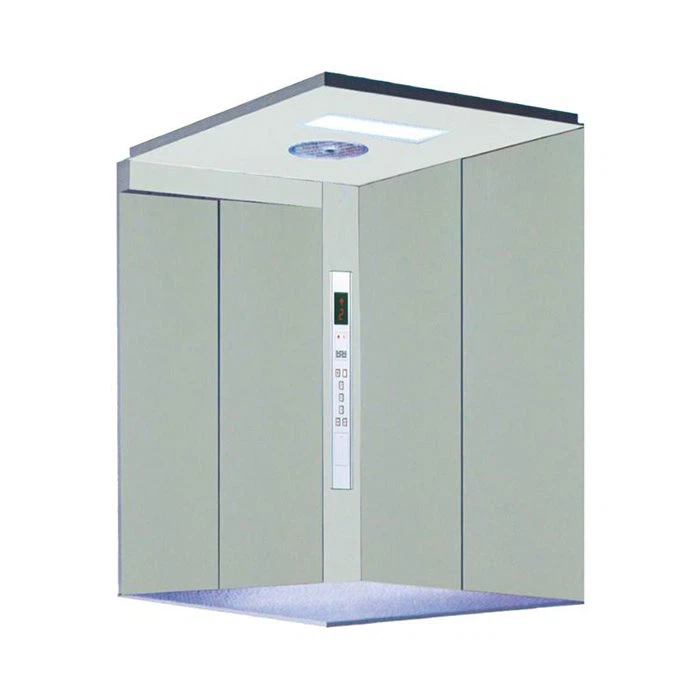
Industrial Warehouses: Freight elevators are commonly used in industrial warehouses for the efficient movement of heavy goods and materials. These elevators have a higher weight capacity compared to passenger elevators and are designed to handle the transportation of bulky items such as crates, pallets, and machinery.
Construction Sites: In construction sites, freight elevators play a crucial role in transporting construction materials, equipment, and even personnel to different floors. These elevators provide a safe and convenient way to move heavy loads vertically, reducing the physical strain on workers and improving overall productivity.
Retail Stores and Supermarkets: Retail stores and supermarkets often require the movement of goods between different levels. Freight elevators allow for the seamless transportation of large shipment boxes, merchandise, and shopping carts. By using a freight elevator, store employees can efficiently restock shelves and maintain inventory levels.
Hospitals and Healthcare Facilities: Freight elevators are essential in hospitals and healthcare facilities for the transportation of medical equipment, hospital beds, and supplies. These elevators are designed to accommodate stretchers and wheelchairs, ensuring smooth and reliable transportation of patients between floors. Additionally, freight elevators in hospitals often feature special controls and safety features to meet the unique needs of healthcare settings.
Manufacturing Plants: In manufacturing plants, heavy machinery and finished products need to be transported within the facility. Freight elevators provide a reliable solution by allowing the movement of large equipment and finished goods between different production areas or storage floors. This helps streamline manufacturing processes and improves operational efficiency.
Office Buildings: Large office buildings often require the transportation of heavy office furniture, IT equipment, and supplies. Freight elevators provide a dedicated space for moving these items, ensuring minimal disruption to the daily activities of employees and visitors. They also help prevent damages to the interior decor and finishes of passenger elevators.
Distribution Centers: Distribution centers rely heavily on freight elevators for the efficient movement of goods. Whether it's incoming shipments, outgoing orders, or internal transfers, these elevators enable the smooth flow of products within the facility. Freight elevators equipped with features like multiple doors and adjustable shelves can accommodate various sizes and types of packages effectively.
Residential Buildings: In high-rise residential buildings, freight elevators are used to transport large furniture, appliances, and personal belongings during moving in or out. These elevators are designed to handle heavy loads and offer ample space for hassle-free moving. Residents can use freight elevators without causing disruptions to the regular elevator service for other tenants.

Carriage: The carriage is the platform or enclosure that transports the goods or cargo. It is usually made of durable materials like steel to withstand heavy loads.
Guide Rails: The guide rails are vertical tracks that provide support and guidance to the carriage as it moves up and down. These rails are securely fixed to the elevator shaft.
Counterweights: Counterweights provide balance to the carriage, ensuring smooth and efficient operation. They are designed to offset the weight of the loaded carriage, reducing the strain on the elevator motor.
Motor and Drive System: The motor and drive system are responsible for powering the elevator's movement. These components facilitate the upward and downward motion of the carriage. Depending on the size and capacity of the elevator, different types of motors and drive systems are used.
Control Panel: The control panel allows users to operate the elevator and select desired floors. It often includes buttons or switches to control the direction, stop, or emergency features of the elevator.
Safety Features: Freight elevators are equipped with several safety features to prevent accidents and ensure efficient operation. These may include emergency stop buttons, overload sensors, door interlocks, and emergency lighting.
Hoist System: The hoist system consists of ropes, pulleys, and a hoisting mechanism that connects the carriage to the motor. It is responsible for raising and lowering the carriage.
Door Systems: Freight elevators have robust and durable door systems to handle large and bulky cargo. These doors are typically manual or powered, allowing easy loading and unloading of goods.
Limit Switches: Limit switches are designed to control the travel distance of the elevator. They help the elevator stop at the desired floors and prevent it from overtraveling.
Safety Buffers: Safety buffers are installed in the elevator shaft to cushion or absorb the impact in case of an overspeed or uncontrolled descent. These buffers are crucial for the safety of both the elevator and its occupants.
Material of Freight Elevator
Steel: Steel is one of the most common materials used in the construction of freight elevators due to its strength and durability. It can withstand heavy loads and is resistant to wear and tear. Steel elevators are known for their long lifespan and ability to handle rough conditions.
Aluminum: Aluminum is a lightweight and corrosion-resistant material that is also popular in the construction of freight elevators. It is less dense than steel but still provides sufficient strength and stability. Aluminum elevators are often used in settings where weight restrictions are a concern.
Wood: While less common than steel or aluminum, wood is still used in some freight elevators, especially those with a vintage or traditional design. Wood provides a unique aesthetic appeal and can be treated to enhance its strength and durability. However, wood elevators may require more maintenance and are not as suitable for heavy loads.
Glass: Glass elevators are a trendy and modern choice for some freight elevator installations. They provide a sleek and contemporary look, allowing passengers to enjoy panoramic views. However, glass elevators are typically used in non-industrial settings, as they may not be as sturdy or practical for heavy-duty freight transportation.
Composite Materials: Some freight elevators are constructed using composite materials such as fiberglass-reinforced plastic or carbon fiber. These materials offer a combination of strength, lightweight design, and resistance to corrosion. Composite elevators can be customized for specific applications and are often used in industries where weight and durability are both crucial factors.
What you should know when use Freight Elevator?



Weight Capacity: One of the most important things to know when using a freight elevator is its weight capacity. This is crucial to ensure the safety of both the passengers and the elevator itself. Make sure to check the maximum weight limit before loading any heavy items or equipment into the elevator. Overloading the elevator can lead to malfunction or even accidents.
Proper Loading And Unloading: When using a freight elevator, it is essential to know how to properly load and unload items. Arrange the items in a way that maximizes space utilization and prevents shifting during the transit. Use appropriate packaging or materials to secure the items. Do not stack them too high, as it can obstruct the elevator's ceiling or create an unbalanced load.
Elevator Etiquette: Freight elevators may be used by multiple users, such as building staff or other businesses. To ensure a smooth operation, it is important to follow elevator etiquette. Allow the people inside to exit before entering and refrain from pressing multiple floor buttons if your destination is not the first stop. Avoid excessive pushing or leaning on the elevator walls to prevent any damage.
Use Of Equipment: If you need to transport large or heavy equipment using a freight elevator, be sure to follow the guidelines provided by the elevator manufacturer or building management. This may include using protective padding or specialized equipment to prevent damage to the elevator walls or floor. It is also advised to have someone supervise the equipment during transit to ensure its stability.
Maintenance And Inspections: Regular maintenance and inspections of the freight elevator are important for its safe operation. Familiarize yourself with the elevator's maintenance schedule and report any abnormalities or issues immediately to the responsible maintenance personnel. This could include problems with the doors, unusual noises, or malfunctioning buttons.
Emergency Procedures: In case of an emergency, it is important to know the procedures specific to the freight elevator. This could include knowing the location of emergency buttons, how to contact building management or emergency services, and any evacuation protocols. Be aware of any posted evacuation routes or emergency contact numbers inside the elevator.
Respect Building Rules And Regulations: Different buildings may have specific rules and regulations regarding the use of freight elevators. This could include designated hours for freight elevator use, specific loading and unloading areas, or additional safety measures. It is important to be aware of and follow these rules to ensure the smooth operation of the elevator and the safety of everyone involved.
Daily Inspection Checklist for Freight Elevator
Check The Condition Of The Elevator Doors: Ensure that all doors operate smoothly without any signs of damage or obstruction. Check for any loose hinges or broken parts.
Inspect The Elevator Interior: Look for any damages or spills inside the elevator car that could pose a safety risk. Check for any loose or missing buttons or control panels.
Test The Emergency Alarm System: Press the emergency alarm button to ensure it is working properly and loudly. Verify if the alarm can be heard from various parts of the building.
Examine The Elevator Lights: Check if all the lights inside the elevator are functioning correctly. Replace any burnt-out bulbs promptly.
Inspect The Indicator Panel: Ensure that the indicator panel accurately displays the floor numbers and direction of travel. Test all the floor buttons to ensure they are responsive.
Check The Elevator Floor Condition: Look for any cracks or damage on the elevator floor. Ensure that the floor is clean and free from any debris or slip hazards.
Test The Emergency Stop Button: Press the emergency stop button to confirm if it halts the elevator's movement immediately. Release the button and check if the elevator resumes operation smoothly.
Inspect The Safety Features: Check if the safety sensors are working correctly. Test the elevator's overload sensor by loading it to its maximum capacity, ensuring it stops and does not continue to operate.
Examine The Elevator's Mechanical Components: Inspect the pulleys, belts, and cables for any signs of wear or damage. Check if all parts are properly lubricated and functioning smoothly.
Test The Fire Safety Features: Verify if the elevator's fire alarm and fire-rated doors are working correctly. Check if the elevator is equipped with a fire extinguisher and if it is easily accessible.
Certificate


Our Factory
FUJIM Elevator set up its own quality management system and passed many international elevator certificates inspection. FUJIM have the certificate such as ISO9001, CE certificate,etc. With certificate Guarantee, We strictly produce accords with the Chinese, European and Russian standard to organize the manufacture to make sure the products with high quality level.

Frequently Asked Questions Freight Elevator
Q: How does a freight elevator work?
Q: Can freight elevators carry passengers?
Q: What is the minimum size for a freight elevator?
The cabin of a freight elevator is required to have a minimum height of 8 feet (2.4 m), width of 6 feet (1.8 m), and depth of 5 feet (1.5 m) to accommodate large items.
Q: What are the benefits of a freight elevator?
Q: Why do freight elevators have vertical doors?
Q: Are freight elevators safe?
Q: What are the features of freight elevator?
A load capacity from 1,000 to 4,000 lbs.
Speed up to 30 feet per minute.
Secure control buttons.
Cab floor and access ramp with 3/16-inch anti-slip coating.
Q: What type of doors are typically used on a freight elevator?
Bi-parting doors can be applied in most hoistway situations, including short spandrel heights, shallow pit, and low overheads. The counterbalance of the two door panels ensures smooth operation and long motor life for power doors. Regular Type Doors have found acceptance world wide.
Q: What size is a freight elevator?
Q: What are the classes of freight elevators?
Class A: General Freight Loading. ...
Class B: Motor Vehicle Loading. ...
Class C1: Industrial Truck Loading. ...
Class C2: Industrial Truck Loading. ...
Class C3: Other Loading with Heavy Concentration.
Q: What is the maximum weight capacity of a freight elevator?
Q: Are freight elevators different from passenger elevators?
Q: How are freight elevators controlled?
Q: Can freight elevators be used by individuals?
Q: Are freight elevators safe to use?
Q: Can freight elevators be customized to meet specific requirements?
Q: How often should freight elevators be inspected and maintained?
Q: Are there any regulations governing the installation and use of freight elevators?
Q: Can freight elevators be energy-efficient?
Q: How long is the lifespan of a freight elevator?