


Home Elevator
Why Choose Us
Professional Team
We have a team of highly skilled professionals who are dedicated to designing and manufacturing top-notch elevator systems. Our engineers have years of experience in the industry and stay updated with the latest technological advancements.
Quality Control
Our elevator systems undergo rigorous testing and inspection procedures to ensure they meet international safety standards. This guarantees peace of mind for our customers, knowing they are investing in a product that guarantees the safety of their passengers.
Advanced Equipment
Fujim Elevator adopts advanced elevator manufacturing process standards and rigorous management systems, and applies superb full CNC machining technology and robot assembly line production.
One-stop Solution
At our company, we pride ourselves on providing exceptional customer service and support. Our team of experts is here to help you every step of the way, from elevator selection and installation to ongoing maintenance and repair.
What is a Home Elevator?
A home elevator is a vertical transportation system that is installed within residential homes, allowing residents to move between different floors comfortably. It is typically powered by electricity, hydraulics, or a combination of both. Home elevators come in various sizes and designs to suit individual needs and preferences, and they can be customized to fit specific architectural requirements. They can be a great addition to homes with multiple floors, especially for those with mobility challenges or disabilities.


Accessibility
One of the most significant benefits of having a home elevator is the increased accessibility it provides. Elevators allow individuals with mobility challenges, such as the elderly or people with disabilities, to move freely between floors. They eliminate the need to struggle with stairs, making it easier for everyone to access different levels of the house.
Convenience
Home elevators offer convenience for large families or those with heavy groceries or luggage. Instead of carrying items up and down the stairs, a convenient elevator allows for easy transportation. This is particularly useful when moving furniture or other bulky items between floors.
Safety
Compared to stairs, home elevators provide a much safer option for individuals of all ages. Stairs can pose a risk of tripping and falling, especially for older adults or young children. Installing an elevator ensures that everyone in the household can move around safely. Elevators also eliminate the strain on joints that can come from climbing stairs regularly.
Increased Property Value
Adding a home elevator can significantly boost the value of a property. This feature is increasingly sought-after, especially by homebuyers who plan to age in place or want to accommodate elderly relatives. Home elevators are considered a luxurious and practical addition, enhancing the overall value and appeal of the property.
Future-proofing
Installing a home elevator is a proactive measure for future needs. It allows homeowners to remain in their beloved homes as they age, eliminating the need to relocate due to mobility limitations. It also makes the house more attractive to potential buyers who may require an accessible living space in the future.
Stylish Design
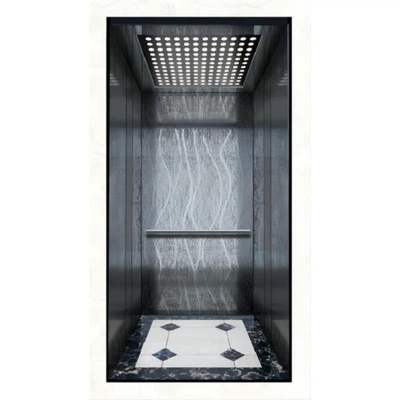
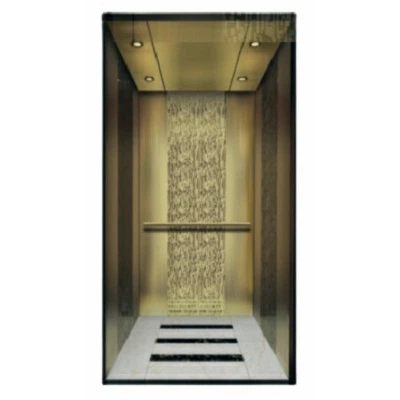
Modern home elevators come in various designs and finishes, allowing homeowners to select one that complements their interior decor. They can be customized to match the overall aesthetics of the house, adding an element of luxury and sophistication.
Energy Efficient
Home elevators are often equipped with energy-saving technology, ensuring that they consume minimal energy during operation. Some models have features like regenerative drives, which capture the energy generated during descent and use it when the elevator is moving up.
Types of Home Elevator
Hydraulic Elevators
These types of elevators use a hydraulic system to operate. They comprise a pump, tank, and hydraulic piston to move the elevator cab. Hydraulic elevators are known for their smooth and quiet operation.
Machine Roomless (MRL) Elevators
MRL elevators integrate the machinery into the elevator shaft, eliminating the need for a separate machine room. These elevators are suitable for homes with limited space and provide energy efficiency.
Vacuum Elevators
Vacuum elevators use air pressure differences to move the elevator cab. They work by creating a vacuum above the cab, which causes it to rise and control its descent. These elevators are compact, require less space, and offer a futuristic design.
Electric Traction Elevators
Electric traction elevators use an electric motor to move the elevator cab. They are power-efficient and commonly found in residential buildings. These elevators are known for their smooth and comfortable ride.
Cable-driven Elevators
Cable-driven elevators use ropes attached to a pulley system and an electric motor to move the elevator car. These elevators are reliable, widely used, and can accommodate heavy loads.
Stairlifts
Stairlifts are specific types of elevators designed for individuals with mobility issues. They are installed on staircases and transport individuals up and down without the need to climb or descend the stairs.
Wheelchair Lifts
Wheelchair lifts, also known as platform lifts, are designed for individuals using wheelchairs. These elevators have a platform that can be raised or lowered, allowing wheelchair users to navigate between floors with ease.
Dumbwaiters
Dumbwaiters are small elevators used for moving items between floors. They are commonly found in residential homes as they provide convenience for transporting groceries, laundry, or other items.
Inclined Platform Lifts
Inclined platform lifts are used for traversing staircases with a steep incline. These lifts have a platform that moves along the staircase, providing accessibility for individuals with mobility disabilities.
Application of Home Elevator


Accessibility For Individuals With Mobility Issues
Home elevators provide a convenient solution for individuals with mobility impairments or physical disabilities.It enables them to easily move between different floors of their homes without relying on stairs, thereby enhancing their independence.
Convenience For Aging Population
With an increasing aging population, home elevators are becoming more common as they offer a convenient way for elderly individuals to access different levels of their homes.It eliminates the need to climb stairs, reducing the risk of falls and injuries.
Enhanced Property Value
Installing a home elevator can significantly increase the value of a property.It adds a luxurious and exclusive feature to the home, making it more attractive to potential buyers.
Efficient Transportation Of Heavy Items
Home elevators are not only useful for transporting individuals but also for moving heavy items such as furniture, appliances, or groceries between floors.Instead of struggling with stairs, homeowners can easily load and unload items in the elevator, saving time and effort.
Space-saving Solution
Home elevators are available in various sizes and can be installed in compact spaces or even in stairwells.This allows homeowners to optimize the available space in their homes, especially in properties with limited square footage.
Components of Home Elevator
Elevator Car: The elevator car is the enclosure that carries passengers or goods from one floor to another. It is typically made of steel or other sturdy materials and is designed to accommodate varying weight capacities.
Control Panel: The control panel is the interface that allows users to operate the elevator. It consists of buttons or a touch screen display with options for selecting the desired floor, opening or closing the doors, and emergency controls.
Door System: Home elevators usually have automatic doors that open and close when the elevator arrives at a floor. These doors are equipped with safety sensors to prevent accidents and ensure smooth operation.
Safety Features: Home elevators are equipped with various safety features to protect passengers and prevent accidents. These include emergency alarms, phone connections for emergency calls, and backup power supply in case of a power failure.
Drive System: The drive system is responsible for moving the elevator car between floors. In residential elevators, the most common types of drive systems are hydraulic and traction. Hydraulic systems use a fluid-filled cylinder to raise and lower the car, while traction systems use cables and a motor to move the car along a guided track.
Shaft: The elevator shaft is the enclosed space where the elevator car moves up and down. It is constructed with fire-resistant materials and must adhere to specific safety codes and regulations.
Counterweight System: To counterbalance the weight of the elevator car and its passengers, home elevators are equipped with a counterweight system. This system reduces the load on the drive motor and allows for more efficient operation.
Electrical System: The electrical system powers the elevator's motor, controls, and lighting. It includes electrical cables, switches, and circuit breakers to ensure safe and reliable operation.
Suspension System: In traction drive elevators, the suspension system consists of steel ropes or cables that support the car and counterweights. These cables are securely fastened to the drive system and undergo regular maintenance to ensure their strength and integrity.
Overhead Crane or Pit: Some home elevators require an overhead crane or a pit for installation. The overhead crane is used to lift and position the elevator components, while the pit provides space for the drive system and other mechanical parts.
Material of Home Elevator

Steel: Steel is a popular material used in home elevators. It offers strength, durability, and the ability to withstand heavy loads. Steel elevators can be designed in various styles and can be customized to match the interior of the house. They also provide a sleek and modern appearance.
Glass: Glass elevators are becoming increasingly popular in modern homes. They offer a unique and stylish look, allowing natural light to filter through the elevator shaft. Glass elevators can be made from tempered or laminated glass, ensuring safety and durability. They can be a focal point of the house, providing a sense of openness and elegance.
Wood: Wood elevators provide a classic and timeless look to homes. They can be made from various types of wood, such as oak, mahogany, or cherry. Wood elevators can be custom-designed with intricate detailing and carvings, adding a touch of luxury and elegance to the home decor. They are often chosen to complement traditional or rustic interior designs.
Aluminum: Aluminum elevators are lightweight, corrosion-resistant, and highly durable. They offer a sleek and contemporary look to homes. Aluminum elevators can be powder-coated or anodized to achieve different colors and finishes. They are a popular choice for modern and minimalist interior styles.
Stainless Steel: Stainless steel elevators are known for their durability, resistance to corrosion, and low maintenance requirements. They offer a clean and modern look to homes and are commonly seen in high-end residential buildings. Stainless steel elevators can be brushed or polished to achieve different finishes, providing a sleek and sophisticated appearance.
Combination: Some home elevators combine different materials to create a unique and customized look. For example, a combination of glass and steel can provide a sleek and modern design, while a combination of wood and stainless steel can create a blend of classic and contemporary styles. Combining materials allows homeowners to personalize their home elevator to match their specific taste and interior design.

What are the Working Theory of Home Elevator
Hoistway: A home elevator typically operates inside a designated vertical shaft called the hoistway. This shaft is specifically designed to accommodate the elevator car and its associated components, such as the cables, pulleys, and counterweights.
Elevator Car: The elevator car is the part that moves vertically within the hoistway and carries passengers or goods. It is typically equipped with doors that open and close automatically at each floor level.
Control System: The control system of a home elevator manages the operation and movement of the car. It includes features like call buttons inside and outside the car, emergency stop buttons, and floor selection buttons. The control system ensures the elevator stops accurately at each desired floor.
Drive Mechanism: The drive mechanism powers the movement of the elevator car. Depending on the type of home elevator, the drive mechanism can be hydraulic or traction-based.
Hydraulic Drive: In a hydraulic home elevator, a motor-driven hydraulic pump pressurizes hydraulic fluid, which pushes a piston and moves the car up or down. The fluid is released from the oil tank or sump when the car needs to descend.
Traction Drive: In a traction-based home elevator, an electric motor powers a system of cables and pulleys. The cables are attached to the car and pass over a sheave or wheel at the top of the hoistway. By rotating the sheave, the motor moves the car up or down by winding or unwinding the cables.
Safety Systems: Home elevators include various safety systems to protect passengers and prevent accidents. These systems may include:
- Overspeed Governor: Detects any abnormal increase in elevator speed and activates the safety brakes if necessary.
- Emergency Brake: Engages in case of power failure or other emergency situations.
- Door Interlocks: Ensure that the elevator doors cannot be opened unless the car is present at a specific floor level.
- Safety Sensors: Detect any obstructions, such as a person or object, preventing the doors from closing completely.
Power Supply: Home elevators require a dedicated power supply to operate. This can either be a single-phase or three-phase electrical connection, depending on the elevator's motor requirements.
Check The Emergency Stop Button: Ensure that the emergency stop button is easily accessible and functioning properly. Press the button to confirm that it stops the elevator immediately.
Examine The Door Operation: Open and close the elevator doors several times to check for any abnormalities, such as doors not closing properly or delayed opening/closing.
Evaluate The Leveling System: Check if the elevator stops at each floor level correctly. Pay attention to any sudden jerks or uneven leveling during the operation.
Test The Alarm System: Activate the alarm to ensure that it is loud enough to be heard throughout the home. Make sure it can be easily activated and deactivated.
Inspect the lighting inside the elevator
Check if all the lights are working properly and if any bulbs need to be replaced. Make sure the interior is well-lit for passengers' safety.
Examine the handrails
Check that the handrails are securely attached and in good condition. Look for any loose or damaged parts that could pose a safety risk.
Verify the operation of the ventilation system
Ensure that the ventilation system is functioning correctly and providing sufficient airflow inside the elevator cabin.
Test the emergency phone or communication system
Dial the emergency phone number to confirm that it connects to the appropriate support team. Ensure that the communication system is in good working order.
Check the floor surfaces
Examine the floors inside the elevator for any spills, debris, or damage. Clean or clear any hazards that may cause passengers to slip or trip.
Verify the operation of the elevator's safety features
Test the door sensors, overload sensors, and other safety features to confirm they are functioning correctly and will respond appropriately in case of an emergency.
Maintenance Tips for Home Elevator
Regular Inspections: Schedule regular inspections by a qualified elevator technician. They will thoroughly examine the elevator, including all mechanical parts, electrical systems, and safety features. Inspections should be done at least once a year or as recommended by the manufacturer.
Lubrication: Proper lubrication of moving parts is essential for smooth and efficient operation. Regularly check the lubrication levels of the elevator's components and follow the manufacturer's recommendations for lubrication intervals. Use high-quality lubricants that are suitable for elevator applications.
Cleaning: Keep the elevator clean and free from debris. Regularly dust and wipe down the walls, handrails, and control buttons. Use gentle cleaners that won't damage the elevator's surfaces or electrical components. Pay special attention to the elevator's entrance areas to prevent dirt and debris buildup.
Door Operation: Ensure that the elevator doors are operating smoothly and closing properly. Check for any obstructions around the doors that may interfere with their movement. If you notice any issues with door operation, contact a professional technician for prompt repairs.
Safety Features: Test the elevator's safety features regularly, such as emergency phones, emergency lighting, and emergency stops. These features are crucial in case of any unexpected events. Familiarize yourself with how they work and regularly check that they are in working order.
User Guidelines: Educate all elevator users about safe elevator operations. Provide clear instructions on how to use the elevator safely, including proper weight limits, not forcing the doors open or closed, and not overloading the elevator. Encourage everyone to report any unusual noises, vibrations, or other abnormalities promptly.
Keep Records: Maintain a detailed record of all maintenance activities, inspections, and repairs performed on the elevator. This will help track the maintenance history, identify patterns, and ensure that all required maintenance tasks are completed on time.
Prompt Repairs: Address any issues or malfunctions promptly. Even minor problems can escalate into major ones if left unattended. If you notice any unusual noises, delays, or vibrations during elevator operation, contact a professional technician right away to diagnose and fix the issue.
Training And Certification: Ensure that all elevator technicians and service providers are properly trained and certified. They should have the necessary knowledge and expertise to handle maintenance tasks and repairs in accordance with industry standards and regulations.
Certificate


Our Factory
FUJIM Elevator set up its own quality management system and passed many international elevator certificates inspection. FUJIM have the certificate such as ISO9001, CE certificate,etc. With certificate Guarantee, We strictly produce accords with the Chinese, European and Russian standard to organize the manufacture to make sure the products with high quality level.


Frequently Asked Questions Home Elevator
Q: Are home elevators hard to maintain?
Q: Is it worth putting elevator in house?
Q: How often do home elevators break down?
Q: Which type of elevator is best for home?
Q: How long does a home elevator last?
Q: Are home elevators noisy?
Q: How much space does a home elevator take?
What are the Minimum Space Requirements for a Home Elevator? In general, you need at least 20 to 25 square feet of space to install a residential elevator. You might also need about 8 inches of pit space dug into the ground beneath the elevator, depending on the style of residential elevator you plan to use.
Q: Do home elevators have battery backup?
Q: What voltage is a home elevator?
Q: What is the rough opening for a home elevator?
Q: What is a home elevator?
Q: What are the benefits of having a home elevator?
Q: How much space is required for a home elevator?
Q: Are home elevators safe?
Q: Are home elevators energy-efficient?
Q: How much does a home elevator cost?
Q: What maintenance is required for a home elevator?
Q: Can a home elevator be retrofitted into an existing house?
Q: Are home elevators noisy?
Q: Are home elevators customizable?