Hey there! As a supplier of dumbwaiters, I often get asked about the maximum speed of these nifty little elevators. So, let's dive right in and explore this topic.
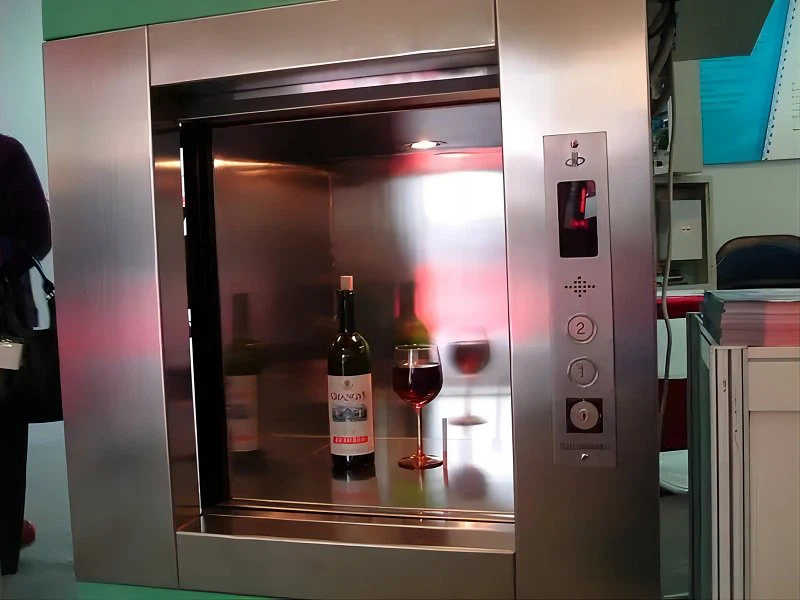
First off, what exactly is a dumbwaiter? Well, it's a small elevator designed to carry light loads, like food trays in a Family Restaurant Elevator, or small items between different floors of a building. They're super handy in restaurants, hotels, and even large homes.
Now, to the question at hand - the maximum speed of a dumbwaiter. There's no one - size - fits - all answer to this because it depends on several factors.
Factors Affecting Dumbwaiter Speed
1. Design and Build Quality
The way a dumbwaiter is designed plays a huge role in determining its maximum speed. High - quality dumbwaiters are built with precision components that can handle faster speeds. For example, the gears, pulleys, and motors are all engineered to work in harmony. If these parts are of poor quality, the dumbwaiter won't be able to reach high speeds safely. A well - built dumbwaiter from a reputable manufacturer can usually achieve a higher maximum speed compared to a cheaper, less - reliable model.
2. Load Capacity
The amount of weight a dumbwaiter is carrying also affects its speed. Just like a car goes slower when it's fully loaded, a dumbwaiter will move more slowly with a heavy load. Most dumbwaiters are rated for a specific load capacity, and as you approach or exceed that capacity, the speed will naturally decrease. For instance, a dumbwaiter rated for 200 pounds might move at a decent clip when carrying only 50 pounds, but when you load it up with 180 pounds, it'll slow down.
3. Safety Regulations
Safety is a top priority when it comes to dumbwaiters, and there are strict regulations in place regarding their speed. These regulations are designed to prevent accidents and ensure the well - being of users. In many areas, there are limits on how fast a dumbwaiter can go. This is to make sure that in case of an emergency stop or other issues, the dumbwaiter can come to a halt safely without causing damage to the cargo or the elevator itself.
4. Installation and Maintenance
Proper installation and regular maintenance are crucial for a dumbwaiter to reach its maximum speed. If the dumbwaiter is not installed correctly, it may experience problems such as misaligned tracks or loose components, which can slow it down. Similarly, if maintenance is neglected, parts can wear out, and the elevator's performance will suffer. For example, dirty or worn - out gears can cause the dumbwaiter to operate sluggishly.
Typical Maximum Speeds
In general, the maximum speed of a dumbwaiter can range from about 20 to 60 feet per minute. However, this is just a rough estimate.
For smaller, residential dumbwaiters, the maximum speed is often on the lower end of that range, around 20 - 30 feet per minute. These are usually used in homes to move small items between floors, like laundry or groceries. They don't need to be super fast since the loads are relatively light and the distances between floors are usually not very large.
Commercial dumbwaiters, such as those used in Restaurant Miscellaneous Elevator settings, can often reach speeds of 40 - 60 feet per minute. In a busy restaurant, a faster dumbwaiter can help improve efficiency by quickly moving food and dishes between the kitchen and dining areas. This means less waiting time for customers and a more streamlined operation.
Why Speed Matters
You might be wondering why the speed of a dumbwaiter is such a big deal. Well, in a commercial setting, speed can directly impact the bottom line. In a restaurant, for example, a faster dumbwaiter can increase the number of meals that can be served in a given time. This leads to higher customer satisfaction and potentially more revenue.
In a hotel, a speedy dumbwaiter can help housekeeping staff quickly move linens and supplies between floors, improving the overall efficiency of the hotel's operations.
Even in a home, a faster dumbwaiter can make daily tasks more convenient. You won't have to wait as long for your laundry to be transported to the basement or for groceries to be taken up to the kitchen.
How We Ensure Optimal Speed
As a dumbwaiter supplier, we take several steps to ensure that our dumbwaiters can reach their maximum speed while still maintaining safety.
First, we only source high - quality components for our dumbwaiters. This includes top - of - the - line motors, gears, and pulleys that are designed to handle the rigors of daily use. We also have a team of experienced technicians who are trained to install our dumbwaiters correctly. Proper installation is key to ensuring that the elevator operates smoothly and can achieve its optimal speed.
We also provide detailed maintenance instructions to our customers. Regular maintenance, such as lubricating moving parts and checking for loose connections, can help keep the dumbwaiter running at its best. And if there are any issues, our customer support team is always ready to assist.
Conclusion
So, there you have it - the maximum speed of a dumbwaiter depends on a variety of factors, including design, load capacity, safety regulations, and installation and maintenance. While typical speeds range from 20 to 60 feet per minute, the exact speed of a dumbwaiter will vary based on these factors.
If you're in the market for a dumbwaiter and speed is an important factor for you, we'd love to have a chat. We can help you choose the right dumbwaiter for your needs and ensure that it's installed and maintained to perform at its best. Whether you're a restaurant owner looking to improve efficiency or a homeowner wanting to make daily tasks easier, we've got the perfect solution for you. Feel free to reach out to us to start the conversation about your dumbwaiter needs.

References
- Building Codes and Safety Regulations for Dumbwaiters
- Industry Standards for Elevator and Dumbwaiter Design and Performance