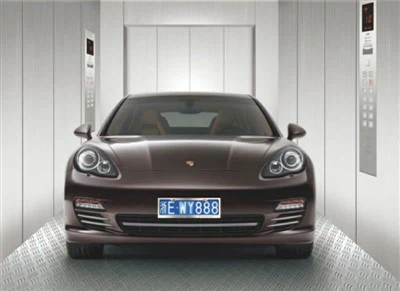
As a supplier of Car Freight Elevator, I often encounter various inquiries from clients regarding the design and functionality of our products. One question that has come up frequently is whether a car freight elevator can be designed with a glass enclosure. In this blog post, I will delve into this topic, exploring the feasibility, advantages, challenges, and considerations associated with designing a car freight elevator with a glass enclosure.
Feasibility of a Glass Enclosure for Car Freight Elevators
The short answer is yes, it is feasible to design a car freight elevator with a glass enclosure. Technological advancements in the field of elevator engineering and glass manufacturing have made it possible to create safe and reliable glass enclosures for various types of elevators, including car freight elevators. Modern glass materials are strong, durable, and can be engineered to meet the specific safety requirements of elevator applications.
However, several factors need to be considered to ensure the feasibility of a glass enclosure for a car freight elevator. These factors include the size and weight of the cars being transported, the elevator's speed and capacity, the environmental conditions in which the elevator will operate, and the local building codes and regulations.
Size and Weight of Cars
Car freight elevators are designed to transport vehicles of various sizes and weights. The glass enclosure must be able to withstand the forces exerted by the cars during loading, unloading, and transportation. Therefore, the thickness and strength of the glass must be carefully selected based on the maximum weight and size of the cars that the elevator will carry.
Elevator Speed and Capacity
The speed and capacity of the elevator also play a crucial role in determining the feasibility of a glass enclosure. High-speed elevators generate more wind resistance and vibrations, which can put additional stress on the glass. Similarly, elevators with high capacities may require a more robust glass enclosure to ensure its structural integrity.
Environmental Conditions
The environmental conditions in which the elevator will operate can also affect the performance of the glass enclosure. For example, elevators located in areas with extreme temperatures, high humidity, or exposure to sunlight may require special types of glass that are resistant to thermal expansion, condensation, and UV radiation.
Building Codes and Regulations
Local building codes and regulations often specify the safety requirements for elevator enclosures, including the use of glass. These codes may dictate the type of glass that can be used, the minimum thickness of the glass, and the installation methods. Therefore, it is essential to consult with local authorities and ensure that the glass enclosure design complies with all applicable codes and regulations.
Advantages of a Glass Enclosure for Car Freight Elevators
Designing a car freight elevator with a glass enclosure offers several advantages, both from a functional and aesthetic perspective.
Enhanced Visibility
One of the primary advantages of a glass enclosure is the enhanced visibility it provides. A glass enclosure allows passengers and operators to see the cars being transported, which can improve safety and efficiency. For example, operators can easily monitor the loading and unloading process, ensuring that the cars are properly positioned and secured before the elevator starts moving.
Aesthetic Appeal
Glass enclosures can also enhance the aesthetic appeal of a building. They provide a modern and sleek look that can complement the overall design of the building. In commercial buildings, such as shopping malls, hotels, and office complexes, a glass car freight elevator can serve as a focal point, adding a touch of elegance and sophistication to the space.


Natural Light
A glass enclosure allows natural light to enter the elevator shaft, which can create a more pleasant and inviting environment for passengers. Natural light can also reduce the need for artificial lighting, resulting in energy savings and a more sustainable building design.
Marketing and Branding Opportunities
In some cases, a glass car freight elevator can be used as a marketing and branding tool. For example, a luxury car dealership could use a glass elevator to showcase its vehicles to customers, creating a unique and memorable experience. Similarly, a hotel or resort could use a glass elevator to enhance its brand image and differentiate itself from competitors.
Challenges and Considerations
While there are many advantages to designing a car freight elevator with a glass enclosure, there are also several challenges and considerations that need to be addressed.
Safety Concerns
Safety is always a top priority when designing an elevator. A glass enclosure must be designed and installed to ensure the safety of passengers, operators, and the cars being transported. This may require the use of special safety features, such as laminated glass, tempered glass, or safety film, to prevent the glass from shattering in the event of an impact.
Maintenance and Cleaning
Glass enclosures require regular maintenance and cleaning to ensure their appearance and performance. The glass may need to be cleaned more frequently than other types of elevator enclosures, especially in areas with high levels of dust, dirt, or pollution. Additionally, any scratches or damage to the glass must be repaired promptly to prevent further deterioration.
Cost
Designing and installing a glass enclosure for a car freight elevator can be more expensive than a traditional enclosure. The cost of the glass, installation, and maintenance must be carefully considered when evaluating the feasibility of a glass enclosure. However, it is important to note that the long-term benefits, such as enhanced visibility, aesthetic appeal, and energy savings, may outweigh the initial investment.
Privacy and Security
In some cases, a glass enclosure may raise privacy and security concerns. For example, in a residential building, residents may be concerned about the visibility of their vehicles to other passengers. Similarly, in a commercial building, there may be security risks associated with the visibility of valuable cars. Therefore, it may be necessary to incorporate privacy features, such as tinted glass or blinds, to address these concerns.
Design Considerations
When designing a car freight elevator with a glass enclosure, several design considerations must be taken into account to ensure the safety, functionality, and aesthetic appeal of the elevator.
Glass Selection
The selection of the glass is crucial to the success of the glass enclosure. The glass must be strong, durable, and able to withstand the forces exerted by the cars during loading, unloading, and transportation. Additionally, the glass must be resistant to scratches, stains, and UV radiation. Some common types of glass used in elevator enclosures include laminated glass, tempered glass, and insulated glass.
Structural Design
The structural design of the glass enclosure must be carefully engineered to ensure its stability and integrity. The enclosure must be able to withstand the weight of the cars, the forces generated by the elevator's movement, and any external forces, such as wind or seismic activity. This may require the use of additional support structures, such as steel frames or aluminum profiles, to reinforce the glass.
Safety Features
As mentioned earlier, safety is a top priority when designing a glass enclosure for a car freight elevator. The enclosure must be equipped with appropriate safety features, such as safety film, emergency exit doors, and fire-rated glass, to ensure the safety of passengers and operators. Additionally, the enclosure must comply with all applicable safety standards and regulations.
Aesthetic Design
The aesthetic design of the glass enclosure should be carefully considered to ensure that it complements the overall design of the building. The glass can be tinted, etched, or printed with patterns or logos to create a unique and personalized look. Additionally, the lighting inside the elevator can be designed to enhance the visual appeal of the glass enclosure.
Conclusion
In conclusion, it is feasible to design a car freight elevator with a glass enclosure. However, several factors need to be considered, including the size and weight of the cars, the elevator's speed and capacity, the environmental conditions, and the local building codes and regulations. While there are many advantages to a glass enclosure, such as enhanced visibility, aesthetic appeal, and natural light, there are also several challenges and considerations, such as safety concerns, maintenance and cleaning, cost, and privacy and security.
If you are considering a Car Freight Elevator with a glass enclosure for your building, I encourage you to contact us. As a leading supplier of car freight elevators, we have the expertise and experience to design and install a glass enclosure that meets your specific needs and requirements. Our team of engineers and designers will work closely with you to ensure that the elevator design is safe, functional, and aesthetically pleasing. Whether you are looking for a solution for a commercial building, a residential complex, or a specialty application, we can provide you with a high-quality car freight elevator with a glass enclosure. Contact us today to discuss your project and explore the possibilities.
References
- Building Codes and Standards: Various local and national building codes and standards related to elevator design and safety.
- Glass Manufacturing Industry Publications: Information on the latest advancements in glass technology and materials.
- Elevator Engineering Journals: Research and case studies on elevator design and performance.