Hey there! As a home elevator supplier, I've had my fair share of customers asking about the noise levels of different types of home elevators. It's a crucial factor, especially when the elevator is going to be installed in your home. No one wants a noisy contraption disturbing the peace and quiet of their living space. So, let's dive into the noise levels of various home elevator types.
Hydraulic Home Elevators
First up, we've got Hydraulic Home Elevator. These elevators use a hydraulic system to lift and lower the cab. The way it works is that a piston is pushed by hydraulic fluid to move the elevator up and down.
Now, when it comes to noise, hydraulic home elevators tend to be a bit on the louder side. The hydraulic pump, which is responsible for generating the pressure needed to move the piston, can create a fair amount of noise. When the pump kicks in to start the elevator's movement, you'll hear a humming or buzzing sound. It's not like a deafening roar, but it's definitely noticeable, especially if the elevator is installed near living areas.
The noise level of a hydraulic home elevator can range from around 50 to 60 decibels when in operation. To put that into perspective, normal conversation usually sits around 60 decibels. So, it's not going to be super loud, but it might be a bit of a nuisance if you're trying to have a quiet moment at home. However, modern hydraulic elevators have come a long way in terms of noise reduction. Manufacturers are using better insulation and more advanced pump designs to keep the noise down.
Outdoor Home Elevators
Next, let's talk about Outdoor Home Elevator. These elevators are designed to be installed outside your home, and they come with their own set of noise characteristics.
Outdoor home elevators are often exposed to the elements, and they need to be built tough. The motors and mechanisms used in outdoor elevators are usually more heavy-duty compared to indoor ones. This can result in a bit more noise during operation.
The noise from an outdoor home elevator can be affected by a few factors. Wind can play a role, as it can cause the elevator cab to rattle or make whistling sounds. Also, the mechanical components, like the gears and pulleys, can generate noise as they move. On average, the noise level of an outdoor home elevator can be in the range of 55 to 65 decibels.
However, the good news is that since they're outside, the noise might not be as much of a problem inside your home. But if you have a patio or outdoor seating area near the elevator, you might notice the noise when it's in use.
Mini Home Elevators
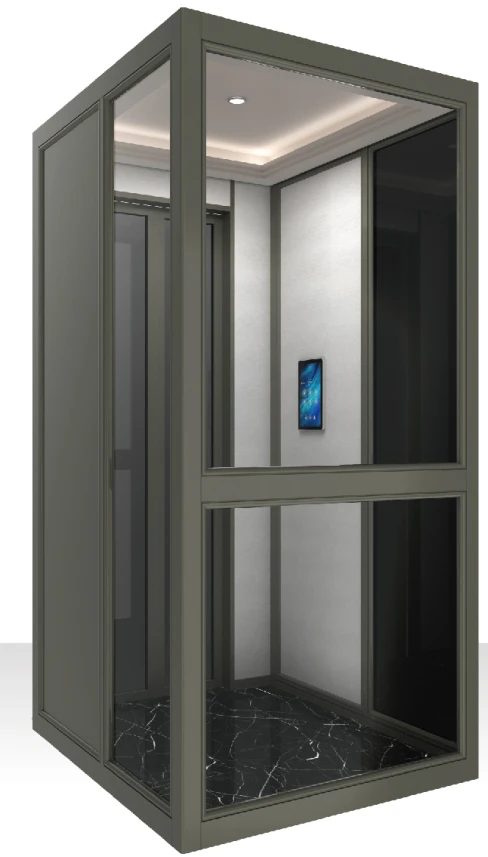
Now, Mini Home Elevator are a popular choice for homes with limited space. These elevators are compact and designed to fit into smaller areas.
In terms of noise, mini home elevators are generally quieter than their larger counterparts. They often use smaller motors and more efficient mechanisms, which result in less noise production. The noise level of a mini home elevator typically ranges from 40 to 50 decibels. That's pretty quiet, similar to the sound of a refrigerator running.
The smaller size also means that there's less space for noise to travel and echo. Plus, many mini home elevators are designed with noise reduction in mind from the start. They might have insulation around the motor and cab to keep the noise to a minimum.
Factors Affecting Noise Levels
It's not just the type of elevator that affects the noise level. There are a few other factors to consider as well.
Installation Quality: A poorly installed elevator can lead to more noise. If the elevator is not properly aligned or if the components are not tightened correctly, it can cause vibrations and rattling sounds. That's why it's so important to have your elevator installed by a professional.
Maintenance: Regular maintenance is key to keeping the noise level down. Over time, the components of an elevator can wear out, which can increase the noise. By having your elevator serviced regularly, you can ensure that everything is in good working order and that the noise remains at an acceptable level.
Location: Where you install the elevator in your home can also make a big difference. If it's installed near a bedroom or a quiet study area, you'll notice the noise more. On the other hand, if it's in a utility room or a less frequently used area, the noise might not be as much of an issue.
How to Reduce Noise
If you're concerned about the noise level of your home elevator, there are a few things you can do.
Insulation: Adding insulation around the elevator cab and the motor room can help reduce the noise. You can use materials like acoustic panels or foam insulation to absorb the sound.
Vibration Isolation: Using vibration isolation pads or mounts can help reduce the vibrations that cause noise. These pads are placed between the elevator components and the floor or walls to dampen the vibrations.

Choose a Quiet Model: When selecting an elevator, look for models that are specifically designed to be quiet. Many manufacturers now offer low-noise options, so you can choose one that suits your needs.
Conclusion
So, there you have it! The noise levels of different types of home elevators can vary quite a bit. Hydraulic home elevators tend to be a bit louder, while mini home elevators are generally the quietest. Outdoor home elevators have their own set of noise factors due to their exposure to the elements.
If you're in the market for a home elevator and noise is a concern for you, don't hesitate to reach out. We can help you choose the right elevator for your home and provide solutions to keep the noise to a minimum. Whether you need a Hydraulic Home Elevator, an Outdoor Home Elevator, or a Mini Home Elevator, we've got you covered. Contact us today to start the conversation about finding the perfect home elevator for your needs.
References
- "Elevator Noise and Vibration Control" - Industry research report on elevator acoustics
- "Home Elevator Installation and Maintenance Guide" - A comprehensive guide on home elevator installation and upkeep