When considering the addition of a home elevator, one of the most critical factors to take into account is the space requirements. As a home elevator supplier, I've witnessed firsthand how proper space planning can make or break the feasibility and functionality of a home elevator installation. In this blog, I'll delve into the various aspects of space requirements for home elevators, providing you with the knowledge you need to make an informed decision.
Overall Space Considerations
The space needed for a home elevator depends on several factors, including the type of elevator, the number of floors it will serve, and the specific design features. Generally, home elevators can be categorized into different types, each with its own unique space requirements.
Pit and Overhead Space
Most home elevators require a pit, which is a small excavation below the elevator's lowest landing. The pit depth typically ranges from 4 to 12 inches, depending on the elevator model. This space is necessary to accommodate the elevator's components, such as the counterweights and safety mechanisms.
In addition to the pit, an elevator also needs overhead space above the top landing. This space is required for the elevator car to travel to its highest position and for the installation of the hoistway equipment. The overhead clearance usually ranges from 8 to 12 feet, depending on the elevator type and design.

Hoistway Dimensions
The hoistway is the shaft through which the elevator car travels. The dimensions of the hoistway are determined by the size of the elevator car and the required clearances for the elevator's operation. The width and depth of the hoistway typically range from 3 to 6 feet, depending on the elevator model and the number of passengers it can accommodate.
It's important to note that the hoistway dimensions may need to be adjusted to accommodate any additional features or accessories, such as ventilation systems or emergency exits.
Machine Room Requirements
Some home elevators require a separate machine room to house the elevator's mechanical and electrical components. The size of the machine room depends on the type of elevator and the specific equipment used. In general, machine rooms can range from 10 to 50 square feet.
However, many modern home elevators are designed with a machine - room - less (MRL) configuration, which eliminates the need for a separate machine room. MRL elevators are more space - efficient and can be a great option for homes with limited space.
Space Requirements for Different Types of Home Elevators
Mini Home Elevator
Mini Home Elevator are a popular choice for homes with limited space. These elevators are typically designed to accommodate one or two passengers and have a smaller footprint compared to traditional home elevators.
The hoistway dimensions for a mini home elevator can be as small as 3 feet by 3 feet, making them suitable for installation in tight spaces such as closets or small alcoves. The pit depth for a mini home elevator is usually around 4 inches, and the overhead clearance can be as low as 8 feet.
Glass Home Elevator
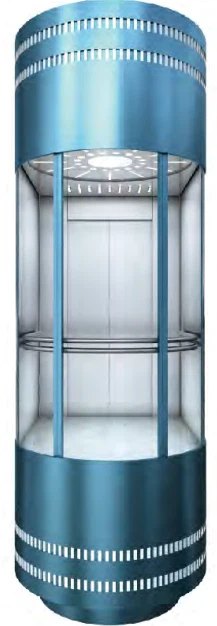
Glass Home Elevator are known for their sleek and modern appearance. They offer a panoramic view of the surrounding area, making them a popular choice for homes with an open floor plan.
The space requirements for glass home elevators are similar to those of traditional home elevators. However, due to the use of glass panels, additional space may be needed for proper installation and maintenance. The hoistway dimensions for a glass home elevator typically range from 4 to 6 feet, and the pit depth and overhead clearance are similar to other elevator types.
Indoor Residential Elevators
Indoor Residential Elevators are designed for use within the interior of a home. They come in a variety of styles and sizes to suit different home layouts and user needs.
The space requirements for indoor residential elevators depend on the specific model and features. For example, a hydraulic elevator may require a larger pit and machine room compared to a traction elevator. The hoistway dimensions for indoor residential elevators can range from 3 to 6 feet, and the overhead clearance is typically between 8 and 12 feet.
Factors Affecting Space Requirements
Number of Floors
The number of floors that the elevator will serve is a significant factor in determining the space requirements. Elevators that serve more floors will generally require a larger hoistway and more overhead clearance to accommodate the increased travel distance.
Passenger Capacity
The number of passengers that the elevator can accommodate also affects the space requirements. Larger elevators with a higher passenger capacity will need a wider and deeper hoistway to ensure comfortable and safe travel.
Design Features
Additional design features such as wheelchair accessibility, custom finishes, and advanced safety systems can also impact the space requirements. For example, an elevator designed to accommodate a wheelchair will need a larger car and hoistway to provide sufficient maneuvering space.
Planning for Space Installation
Before installing a home elevator, it's essential to conduct a thorough space assessment. This involves measuring the available space in your home, considering the elevator's requirements, and consulting with a professional elevator installer.
A professional installer can help you determine the best location for the elevator, taking into account factors such as structural integrity, accessibility, and aesthetics. They can also provide you with detailed drawings and specifications to ensure that the elevator installation meets all safety and building code requirements.
Conclusion
Understanding the space requirements for a home elevator is crucial for a successful installation. Whether you're considering a Mini Home Elevator, a Glass Home Elevator, or an Indoor Residential Elevators, proper space planning will ensure that your elevator functions efficiently and enhances the value and comfort of your home.
If you're interested in learning more about home elevators and how they can fit into your space, I encourage you to reach out to us. Our team of experts is ready to assist you in selecting the right elevator for your needs and guiding you through the installation process. Contact us today to start the conversation about bringing the convenience of a home elevator to your residence.
References
- Elevator Industry Association. (2023). Home Elevator Installation Guidelines.
- National Building Code. (2023). Requirements for Residential Elevators.