Hey there! As a supplier of dumbwaiters, I often get asked a bunch of questions about what these nifty little elevators can and can't do. One question that pops up quite a bit is, "Can a dumbwaiter be used for transporting liquids?" Well, let's dig into this topic and find out.
First off, for those who aren't sure what a dumbwaiter is, it's basically a small elevator designed to move things between different floors. It's super handy in places like restaurants, hotels, and even large homes. You can use it to transport food, dishes, laundry, and all sorts of other stuff. But when it comes to liquids, things get a bit more complicated.
The Feasibility of Transporting Liquids
In theory, a dumbwaiter can transport liquids. If the liquid is properly contained in a sealed container, there's no reason why it can't be safely moved up and down in the dumbwaiter. For example, in a Restaurant Miscellaneous Elevator, you might use it to move pitchers of water, bottles of wine, or jugs of sauce from the kitchen to the dining area.
However, there are some important factors to consider. The first is the stability of the container. You need to make sure that the container holding the liquid is sturdy and won't tip over during the journey. A well - sealed thermos or a tightly capped bottle is a great choice. If the container isn't stable, there's a risk of spills, which can not only make a mess but also damage the dumbwaiter itself.
Another factor is the speed of the dumbwaiter. Most dumbwaiters are designed to move at a relatively slow speed. This is actually a good thing when transporting liquids because it reduces the chances of sloshing. But if the dumbwaiter is set to move too quickly, the liquid inside the container can start to splash around, increasing the risk of spills.
Safety Concerns
Safety is a major consideration when using a dumbwaiter to transport liquids. If there's a spill inside the dumbwaiter shaft, it can cause all sorts of problems. For one, liquids can damage the electrical components of the dumbwaiter. Water, in particular, is a conductor of electricity, and if it comes into contact with the wiring, it can lead to short - circuits, which can be dangerous and expensive to fix.
There's also the issue of contamination. If you're transporting food - related liquids like soup or juice, a spill can attract pests and bacteria. This is especially a concern in a Family Restaurant Elevator, where hygiene is of the utmost importance.
To mitigate these risks, it's a good idea to have a spill - proof design for the dumbwaiter. Some modern dumbwaiters come with trays or compartments that are designed to catch any spills. These trays can be easily removed and cleaned, reducing the risk of damage and contamination.
Maintenance and Cleaning
When you're using a dumbwaiter to transport liquids, regular maintenance and cleaning become even more crucial. After each use, it's important to check the interior of the dumbwaiter for any signs of spills. If there are any, clean them up immediately using a suitable cleaning agent.
Make sure to also inspect the seals and gaskets of the dumbwaiter doors. Over time, these can wear out, and if there's a spill, liquid could seep out of the dumbwaiter and onto the floors. Replacing worn - out seals regularly can help prevent this from happening.
It's also a good idea to have a professional inspect the dumbwaiter periodically. They can check the electrical components for any signs of water damage and make sure that the mechanical parts are working properly.
Regulatory Considerations
Depending on where you're located, there may be regulations regarding the use of dumbwaiters to transport liquids. In some areas, there are specific rules about the types of containers that can be used and the safety measures that need to be in place. For example, in a commercial setting like a restaurant, you may need to comply with health and safety regulations to ensure that the transportation of liquids is done in a safe and hygienic manner.
Before using your dumbwaiter to transport liquids, it's a good idea to check with your local authorities or regulatory bodies to make sure that you're in compliance with all the relevant rules.
Best Practices
If you decide to use your dumbwaiter to transport liquids, here are some best practices to follow:
- Choose the right container: As mentioned earlier, use sturdy, well - sealed containers. Avoid using containers that are prone to tipping over or have loose lids.
- Balance the load: Make sure that the weight is evenly distributed inside the dumbwaiter. If you're transporting multiple containers of liquid, arrange them in a way that keeps the dumbwaiter balanced.
- Train your staff: If you're using the dumbwaiter in a commercial setting, train your staff on how to properly load and unload the dumbwaiter when transporting liquids. They should know what to do in case of a spill and how to follow the safety procedures.
Conclusion
So, can a dumbwaiter be used for transporting liquids? The answer is yes, but with some important caveats. By taking the necessary precautions, such as using the right containers, ensuring proper maintenance, and complying with regulations, you can safely use a dumbwaiter to move liquids between floors.
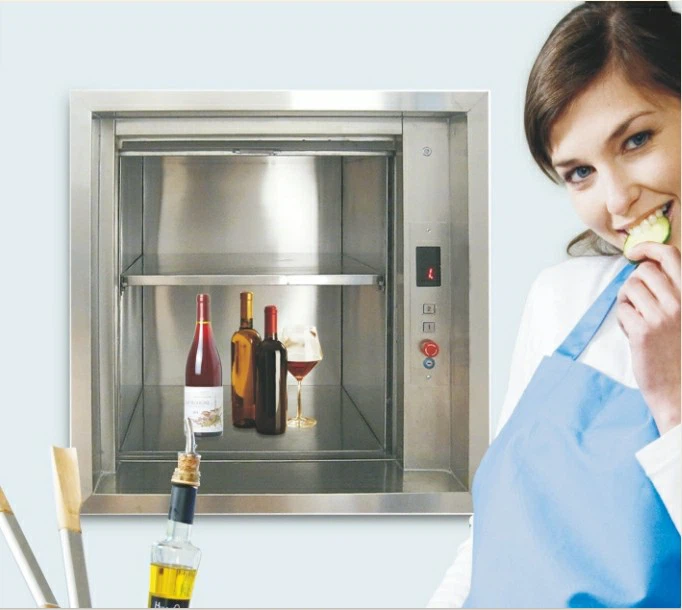
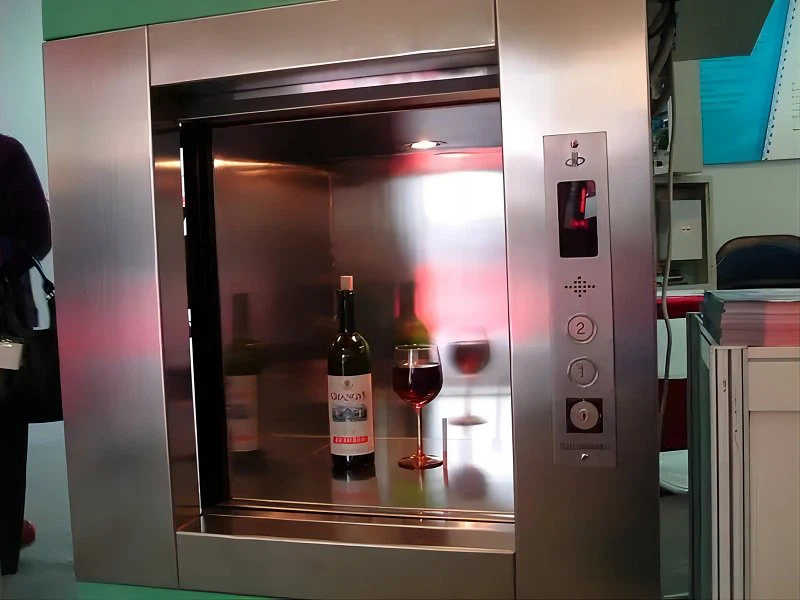
If you're in the market for a dumbwaiter that can handle liquid transportation, we've got you covered. Our range of dumbwaiters is designed with safety and functionality in mind. Whether you need a Restaurant Miscellaneous Elevator or a Family Restaurant Elevator, we have the perfect solution for you.
If you're interested in learning more about our products or have any questions about using a dumbwaiter for transporting liquids, don't hesitate to get in touch. We're here to help you make the best decision for your needs.
References
- Building Codes and Regulations for Dumbwaiters, Local Building Authority Publications
- Best Practices for Elevator Maintenance, Elevator Industry Association Guides
- Food Safety and Hygiene in Commercial Kitchens, Health Department Guidelines