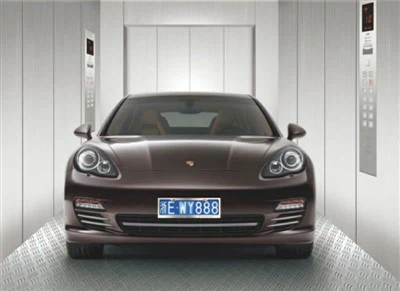
As a supplier of MR Freight Elevators, one of the most frequently asked questions I encounter is, "How many floors can the MR Freight Elevator serve?" This question is crucial for businesses and building owners planning their vertical transportation needs. In this blog post, I'll delve into the factors that determine the number of floors an MR Freight Elevator can serve, and provide insights to help you make an informed decision.
Understanding MR Freight Elevators
Before we discuss the number of floors an MR Freight Elevator can serve, let's first understand what an MR Freight Elevator is. MR stands for Machine Room, which means these elevators have a dedicated machine room where the elevator's mechanical and electrical components are housed. This design offers several advantages, including greater flexibility in terms of installation and maintenance, as well as the ability to handle heavier loads and higher traffic volumes compared to some other types of elevators.
The MR Freight Elevator is specifically designed for transporting goods and materials in commercial, industrial, and institutional buildings. They are built to withstand heavy use and are available in a variety of configurations to meet different load capacities and floor requirements.
Factors Affecting the Number of Floors
Several factors come into play when determining how many floors an MR Freight Elevator can serve. These factors include:
1. Elevator Speed
The speed of the elevator is a critical factor. Faster elevators can cover more floors in a shorter amount of time, making them suitable for high - rise buildings. The speed of an MR Freight Elevator typically ranges from 0.25 m/s to 1.75 m/s, depending on the model and application. For buildings with a large number of floors, a higher - speed elevator is often necessary to ensure efficient transportation of goods.
2. Load Capacity
The load capacity of the elevator also affects the number of floors it can serve. Elevators with higher load capacities may require more power and may operate at a slower speed to ensure safety. For example, an elevator designed to carry heavy industrial equipment may have a lower speed compared to an elevator with a lighter load capacity. This can impact the overall efficiency of serving multiple floors, especially in buildings with high - traffic requirements.
3. Building Design and Layout
The design and layout of the building play a significant role. Buildings with irregular floor layouts, such as those with mezzanines or multiple basements, may require a more customized elevator solution. Additionally, the distance between floors, known as the floor - to - floor height, can affect the elevator's performance. Higher floor - to - floor heights may require more power and time for the elevator to travel between floors.


4. Safety Regulations
Safety regulations are another important consideration. Elevators must comply with local and international safety standards, which may impose limitations on the number of floors an elevator can serve based on factors such as emergency stop systems, door safety mechanisms, and fire - resistant materials. These regulations are in place to ensure the safety of passengers and goods during elevator operation.
Typical Floor Ranges for MR Freight Elevators
In general, MR Freight Elevators can serve anywhere from 2 to 20 floors. For low - rise buildings, such as small warehouses or two - to - three - story commercial buildings, an elevator with a lower speed and a moderate load capacity may be sufficient. These elevators can efficiently serve a limited number of floors and are often more cost - effective.
For mid - rise buildings, typically ranging from 4 to 10 floors, an MR Freight Elevator with a medium - speed and a higher load capacity may be required. These elevators are designed to handle the increased traffic and load demands of multi - floor commercial or industrial facilities.
In high - rise buildings, with 10 or more floors, high - speed MR Freight Elevators are necessary. These elevators are engineered to provide fast and reliable transportation of goods between floors, minimizing downtime and improving overall operational efficiency.
Comparison with Other Types of Freight Elevators
It's also useful to compare the MR Freight Elevator with other types of freight elevators, such as the SMR Freight Elevator and the MRL Freight Elevator.
The SMR (Small Machine Room) Freight Elevator is a variation of the MR Freight Elevator that requires a smaller machine room. This type of elevator is suitable for buildings where space is limited. However, in terms of the number of floors it can serve, it generally has similar limitations as the MR Freight Elevator, depending on the same factors of speed, load capacity, and building design.
The MRL (Machine - Room - Less) Freight Elevator, on the other hand, does not require a separate machine room. This design can save space and may be more cost - effective in some cases. However, MRL Freight Elevators may have limitations in terms of load capacity and speed, which can affect the number of floors they can serve, especially in high - rise buildings.
Making the Right Choice
When choosing an MR Freight Elevator for your building, it's essential to consider your specific requirements. Here are some steps to help you make the right choice:
1. Assess Your Needs
Determine the load capacity, elevator speed, and number of floors you need the elevator to serve. Consider the type of goods you will be transporting and the expected traffic volume.
2. Consult with an Expert
Work with an experienced elevator supplier or consultant. They can evaluate your building's design and layout and recommend the most suitable elevator solution based on your requirements and budget.
3. Consider Future Expansion
If there are plans for future expansion of the building, choose an elevator that can be easily upgraded or modified to accommodate additional floors or increased load capacity.
Conclusion
In conclusion, the number of floors an MR Freight Elevator can serve depends on multiple factors, including elevator speed, load capacity, building design, and safety regulations. By carefully considering these factors and working with a professional supplier, you can select an elevator that meets your specific needs and ensures efficient transportation of goods in your building.
If you are in the process of planning an elevator installation for your commercial or industrial building, I encourage you to contact us. Our team of experts can provide detailed information, answer your questions, and help you select the best MR Freight Elevator for your project. We are committed to providing high - quality elevator solutions that meet the highest standards of safety and efficiency.
References
- Elevator Engineering Handbook, Third Edition.
- International Building Code (IBC) for elevator safety regulations.
- Manufacturer's specifications for MR Freight Elevators.