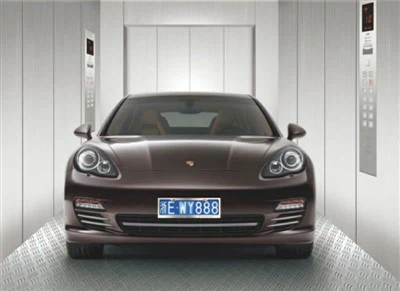
In the realm of vertical transportation for smaller loads, dumbwaiters stand out as a practical and efficient solution. As a supplier of dumbwaiters, I've encountered numerous inquiries about the power sources that drive these nifty machines. Understanding the power source of a dumbwaiter is crucial for making informed decisions regarding installation, operation, and maintenance. In this blog post, I'll delve into the various power sources available for dumbwaiters, exploring their pros and cons to help you determine the best fit for your specific needs.
Electric Power
Electricity is by far the most common power source for dumbwaiters, and for good reason. It offers a reliable, clean, and efficient way to operate these elevators. Most modern dumbwaiters are designed to run on standard household or commercial electrical systems, typically requiring a 110 - 120V or 220 - 240V power supply.
Advantages
- Reliability: Electric power is widely available and generally stable, ensuring consistent operation of the dumbwaiter. As long as there is a reliable electrical connection, you can count on your dumbwaiter to function smoothly.
- Efficiency: Electric motors used in dumbwaiters are highly efficient, converting a large portion of the electrical energy into mechanical energy to move the car up and down. This results in lower energy consumption compared to some other power sources.
- Ease of Installation: Installing an electric dumbwaiter is relatively straightforward, especially in buildings with existing electrical infrastructure. Electric dumbwaiters can be easily integrated into the building's electrical system without the need for extensive modifications.
- Low Maintenance: Electric motors have fewer moving parts compared to some other power sources, which means less wear and tear and lower maintenance requirements. Regular inspections and minor adjustments are usually sufficient to keep an electric dumbwaiter in good working condition.
Disadvantages
- Power Outages: One of the main drawbacks of electric dumbwaiters is their dependence on electricity. In the event of a power outage, the dumbwaiter will not operate unless it is equipped with a backup power system. This can be a significant inconvenience, especially in commercial settings where continuous operation is essential.
- Initial Cost: The initial cost of purchasing and installing an electric dumbwaiter can be relatively high, especially for larger or more sophisticated models. However, the long - term energy savings and reliability often offset the initial investment.
Hydraulic Power
Hydraulic power is another option for powering dumbwaiters. Hydraulic dumbwaiters use a hydraulic pump to generate the force needed to move the car up and down. The pump pressurizes hydraulic fluid, which is then used to drive a piston or cylinder, lifting or lowering the dumbwaiter car.
Advantages
- Smooth Operation: Hydraulic dumbwaiters offer a smooth and quiet ride, making them ideal for applications where noise is a concern, such as in restaurants or residential buildings.
- High Load Capacity: Hydraulic systems can generate a large amount of force, allowing hydraulic dumbwaiters to handle heavier loads compared to some electric models. This makes them suitable for commercial applications where large quantities of goods need to be transported.
- Good for Low - Rise Applications: Hydraulic dumbwaiters are well - suited for low - rise installations, typically up to three or four floors. They are a popular choice for restaurants, hotels, and multi - story homes.
Disadvantages
- Higher Maintenance: Hydraulic systems require more maintenance compared to electric systems. The hydraulic fluid needs to be changed regularly, and the seals and hoses need to be inspected for leaks. Any hydraulic fluid leaks can not only cause environmental issues but also lead to system failures.
- Energy Consumption: Hydraulic pumps consume a relatively large amount of energy, especially when the dumbwaiter is in continuous use. This can result in higher operating costs over time.
- Space Requirements: Hydraulic dumbwaiters require a hydraulic power unit, which takes up additional space compared to electric dumbwaiters. This can be a limiting factor in buildings with limited space.
Manual Power
In some cases, manual power can be used to operate a dumbwaiter. Manual dumbwaiters are typically operated using a hand - crank or pulley system. These types of dumbwaiters are often found in older buildings or in situations where electricity is not available or cost - prohibitive.
Advantages
- Low Cost: Manual dumbwaiters are the most cost - effective option, both in terms of initial purchase and installation. They do not require an electrical or hydraulic system, which significantly reduces the cost.
- Independence from Electricity: Since manual dumbwaiters do not rely on electricity, they can be used in areas without a reliable power supply. This makes them suitable for remote locations or in buildings undergoing renovation.
Disadvantages
- Limited Load Capacity: Manual dumbwaiters have a limited load capacity compared to electric or hydraulic models. They are typically only suitable for transporting light items, such as documents or small packages.
- Physical Effort: Operating a manual dumbwaiter requires physical effort, which can be a drawback, especially if the dumbwaiter needs to be used frequently or to transport heavy items. This makes them less practical for commercial applications where large volumes of goods need to be moved.
Pneumatic Power
Pneumatic power is a less common but innovative option for powering dumbwaiters. Pneumatic dumbwaiters use compressed air to move the car up and down. The system consists of a compressor that generates compressed air, which is then used to drive a piston or cylinder to lift or lower the dumbwaiter car.
Advantages
- Clean and Quiet: Pneumatic systems are clean and quiet, making them suitable for applications where noise and environmental concerns are important. Compressed air is a clean energy source, and there are no hydraulic fluids or emissions associated with pneumatic dumbwaiters.
- Simple Design: Pneumatic dumbwaiters have a relatively simple design, with fewer moving parts compared to some other power sources. This can result in lower maintenance requirements and longer service life.
Disadvantages
- Limited Availability: Pneumatic dumbwaiters are not as widely available as electric or hydraulic models, which can make them more difficult to find and purchase.
- Higher Initial Cost: The initial cost of a pneumatic dumbwaiter can be relatively high, due to the need for a compressor and other pneumatic components.
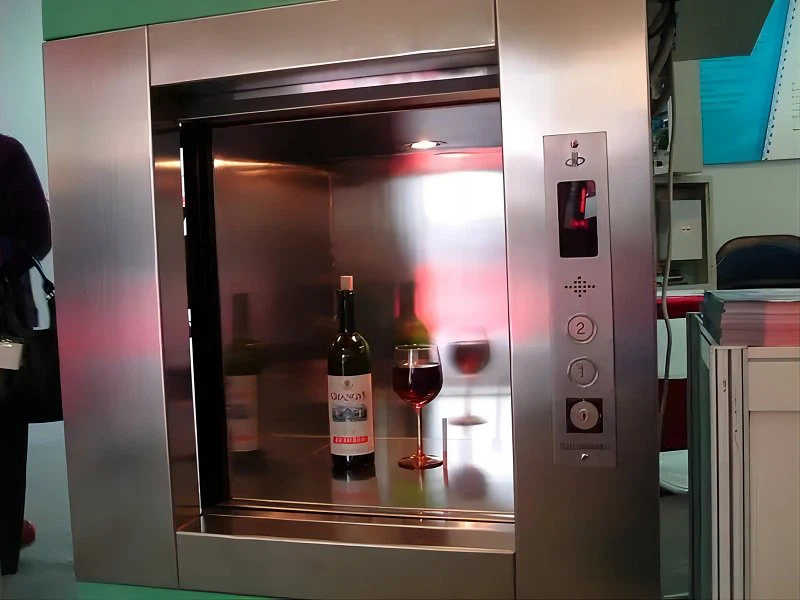
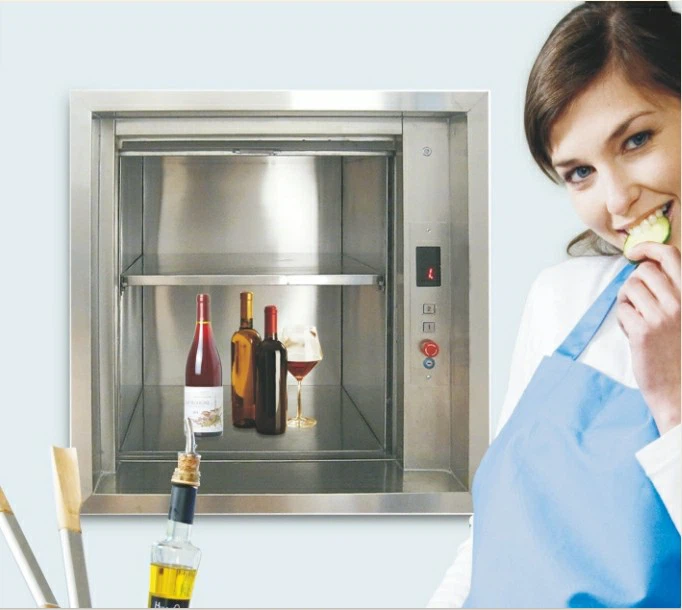
When choosing a power source for your dumbwaiter, it's important to consider your specific needs and requirements. For commercial applications such as Restaurant Miscellaneous Elevator or Family Restaurant Elevator, where reliability and high - volume use are crucial, electric or hydraulic power may be the best choice. For residential applications or in areas with limited power supply, manual or pneumatic power could be more suitable.
As a dumbwaiter supplier, I'm here to help you make the right decision. Whether you need a dumbwaiter for a small family restaurant or a large commercial establishment, I can provide you with the information and expertise you need to choose the best power source and the right dumbwaiter for your needs. If you're interested in purchasing a dumbwaiter, I encourage you to contact me to discuss your requirements and explore the available options. We can work together to find the perfect dumbwaiter solution that meets your budget and performance expectations.
References
- "Elevators and Escalators: Fundamentals, Planning, and Design" by Stephen A. Berman
- "The Handbook of Elevator Technology" by Wolfgang Schröter