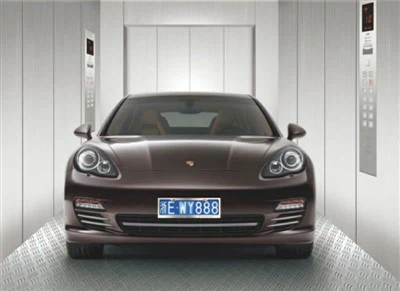
Hey there! As a supplier of MR Freight Elevators, I often get asked about the operating temperature range of these bad boys. It's a crucial question, especially when you're looking to install an elevator in an environment with extreme temperatures. So, let's dive right in and explore what the operating temperature range of the MR Freight Elevator is all about.
First off, let's talk a bit about what an MR Freight Elevator is. MR stands for Machine Room, and these elevators have a dedicated machine room where all the mechanical and electrical components are housed. They're designed to carry heavy loads, making them perfect for industrial and commercial settings. If you're interested in learning more about our MR Freight Elevator, just click on the link.
Now, onto the main topic: the operating temperature range. The typical operating temperature range for an MR Freight Elevator is between -5°C (23°F) and 40°C (104°F). This range is set to ensure the optimal performance and longevity of the elevator's components.
At the lower end of the spectrum, temperatures below -5°C can cause a few issues. The lubricants used in the elevator's moving parts can thicken, which increases friction and makes it harder for the elevator to operate smoothly. The electrical components can also be affected, as cold temperatures can cause the insulation to become brittle and crack, leading to potential electrical problems. Additionally, the rubber seals and gaskets in the elevator can shrink, allowing moisture to enter and potentially damage the internal components.
On the other hand, at the upper end of the range, temperatures above 40°C can also pose challenges. The heat can cause the electrical components to overheat, which can lead to malfunctions or even permanent damage. The motors, in particular, are sensitive to high temperatures, as excessive heat can reduce their efficiency and lifespan. The hydraulic fluid used in some elevators can also break down at high temperatures, affecting the performance of the hydraulic system.
It's important to note that these temperature limits are not absolute, and some elevators can be specially designed to operate in more extreme conditions. For example, if you need an elevator for a cold storage facility or a hot industrial environment, we can work with you to customize the elevator to meet your specific temperature requirements.
So, how do we ensure that our MR Freight Elevators can operate within the recommended temperature range? Well, we use high-quality materials and components that are designed to withstand a wide range of temperatures. The lubricants we use have a low pour point, which means they remain fluid even at low temperatures. The electrical components are also rated for a wide temperature range and are protected by advanced cooling systems.
In addition to using high-quality components, we also recommend proper installation and maintenance of the elevator. During installation, the elevator should be placed in a location that is protected from extreme temperatures and weather conditions. The machine room should be well-ventilated to prevent heat buildup, and insulation can be added to help regulate the temperature.
Regular maintenance is also crucial to ensure the elevator's performance in different temperature conditions. This includes checking the lubricant levels, inspecting the electrical components for signs of damage or overheating, and testing the elevator's safety features. By following a regular maintenance schedule, you can catch any potential problems early and prevent costly repairs.
If you're considering installing an MR Freight Elevator, it's important to assess the temperature conditions of the installation site. If the environment has extreme temperatures, you may need to take additional measures to ensure the elevator's proper operation. For example, you could install a heating or cooling system in the machine room to maintain a stable temperature.
Now, let's talk about some of the other factors that can affect the elevator's performance in different temperature conditions. Humidity is another important factor to consider. High humidity levels can cause corrosion and rust on the elevator's metal components, especially in the presence of heat. This can weaken the structure of the elevator and reduce its lifespan. To combat this, we use corrosion-resistant materials and coatings on the elevator's components.
Altitude can also have an impact on the elevator's performance. At higher altitudes, the air is thinner, which can affect the cooling of the electrical components. We can adjust the elevator's design to account for altitude, ensuring that it operates safely and efficiently.
In conclusion, the operating temperature range of an MR Freight Elevator is an important consideration when choosing an elevator for your facility. By understanding the recommended temperature range and taking the necessary steps to ensure proper installation and maintenance, you can ensure the optimal performance and longevity of your elevator.
If you're in the market for a freight elevator, we also offer Small Freight Elevator and Machine Room Cargo Elevator options. Each of these elevators is designed to meet specific needs and can be customized to operate in different temperature conditions.

If you have any questions or would like to discuss your elevator requirements further, don't hesitate to reach out. We're here to help you find the perfect elevator solution for your business. Whether you need an elevator for a small warehouse or a large industrial complex, we have the expertise and experience to provide you with a high-quality, reliable elevator.
References:
- Industry standards for elevator manufacturing and operation
- Manufacturer's specifications for MR Freight Elevator components