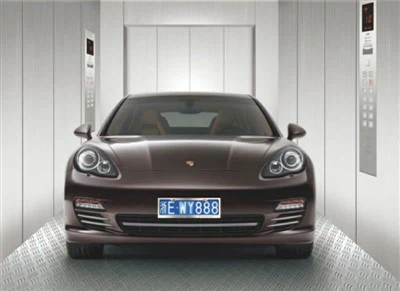
In the logistics and automotive industries, car freight elevators play a crucial role in transporting vehicles between different floors of multi - level parking lots, car dealerships, and automotive service centers. However, these elevators can consume a significant amount of energy. As a dedicated Car Freight Elevator supplier, we understand the importance of energy efficiency not only for cost - savings but also for environmental sustainability. In this blog, we will explore several effective ways to improve the energy efficiency of a car freight elevator.
1. Upgrade to High - Efficiency Motors
The motor is the heart of a car freight elevator, and its efficiency directly impacts the overall energy consumption. Traditional motors may have lower efficiency ratings, leading to unnecessary energy waste. By upgrading to high - efficiency motors, such as permanent magnet synchronous motors (PMSMs), you can achieve substantial energy savings.
PMSMs have several advantages over conventional motors. They offer higher power density, which means they can provide the same amount of power with a smaller physical size. This not only saves space but also reduces the amount of energy required to operate the motor. Additionally, PMSMs have lower losses due to their design, resulting in better energy conversion efficiency. According to industry studies, the use of PMSMs in elevators can reduce energy consumption by up to 30% compared to traditional induction motors [1].
2. Implement Regenerative Drives
Regenerative drives are another effective way to improve the energy efficiency of car freight elevators. When an elevator descends or stops, the potential energy and kinetic energy of the car and its load are usually dissipated as heat. Regenerative drives, however, can capture this energy and convert it back into electrical energy, which can then be fed back into the building's electrical grid or used to power other equipment in the facility.
This technology not only reduces the overall energy consumption of the elevator but also helps to lower the building's electricity bill. In a busy car freight elevator system, the amount of energy that can be regenerated over time can be quite significant. For example, in a large multi - level parking garage with multiple car freight elevators, the cumulative energy savings from regenerative drives can be substantial [2].
3. Optimize Elevator Control Systems
Advanced elevator control systems can significantly improve energy efficiency by optimizing the operation of the elevator. These systems use algorithms to analyze traffic patterns, such as the frequency of use, peak hours, and the distribution of passengers or vehicles between different floors. Based on this analysis, the control system can adjust the elevator's speed, acceleration, and deceleration to minimize energy consumption.
For instance, during off - peak hours, the elevator can operate at a lower speed to save energy. The control system can also group passengers or vehicles going to the same or nearby floors, reducing the number of stops and starts, which are energy - intensive operations. Additionally, some modern control systems can put the elevator into standby mode when not in use, further reducing energy consumption. By implementing an optimized control system, you can achieve energy savings of up to 20% [3].
4. Use Energy - Efficient Lighting and Ventilation
In addition to the mechanical and electrical components of the elevator, the lighting and ventilation systems inside the elevator car also consume energy. By using energy - efficient lighting, such as LED lights, and optimizing the ventilation system, you can reduce the overall energy consumption of the elevator.
LED lights are highly energy - efficient, consuming up to 80% less energy than traditional incandescent bulbs. They also have a longer lifespan, reducing the frequency of replacement. Similarly, the ventilation system can be designed to operate only when necessary, based on factors such as the number of people or vehicles in the elevator and the temperature inside the car. By using sensors to control the ventilation system, you can ensure that it runs only when needed, saving energy in the process [4].
5. Regular Maintenance and Inspection
Regular maintenance and inspection are essential for ensuring the energy efficiency of car freight elevators. Over time, the components of an elevator can wear out, leading to increased friction, reduced efficiency, and higher energy consumption. By performing regular maintenance, such as lubricating moving parts, checking the alignment of the elevator car, and inspecting the electrical systems, you can keep the elevator operating at peak efficiency.
During maintenance, technicians can also identify and replace any worn - out or malfunctioning components that may be causing the elevator to consume more energy than necessary. For example, a faulty motor or a worn - out brake can significantly increase energy consumption. By addressing these issues promptly, you can prevent further energy waste and extend the lifespan of the elevator [5].
6. Consider the Design and Layout of the Elevator Shaft
The design and layout of the elevator shaft can also have an impact on energy efficiency. A well - designed elevator shaft can reduce air resistance, which in turn reduces the amount of energy required to move the elevator car. For example, a smooth - walled shaft with proper ventilation can minimize air turbulence, allowing the elevator to move more efficiently.
Additionally, the location of the elevator shaft within the building can affect energy consumption. Placing the elevator shaft close to the center of the building can reduce the distance that the elevator needs to travel, saving energy. The size of the shaft should also be optimized to fit the elevator car and its load, without being overly large, which can increase air resistance and energy consumption [6].
7. Educate Users
Finally, educating users about energy - efficient elevator use can also contribute to overall energy savings. For example, encouraging users to group their trips and avoid unnecessary elevator use can reduce the frequency of operation and energy consumption. In a car freight elevator system, users can be informed about the best practices for loading and unloading vehicles to minimize the time the elevator is in use.


By providing clear instructions and signage, users can be made aware of the importance of energy efficiency and how their actions can contribute to it. This simple measure can have a positive impact on the energy consumption of the elevator system over time.
As a Car Freight Elevator supplier, we are committed to providing our customers with energy - efficient elevator solutions. Our elevators are designed with the latest technologies and features to ensure optimal energy performance. Whether you are building a new multi - level parking garage, a car dealership, or an automotive service center, we can help you select the right elevator system that meets your energy efficiency goals.
If you are interested in improving the energy efficiency of your car freight elevator or are looking to purchase a new elevator system, we invite you to contact us for a consultation. Our team of experts will be happy to discuss your specific needs and provide you with customized solutions.
References
[1] "Energy - efficient Motors for Elevators," International Energy Agency, 2018.
[2] "Regenerative Drives in Elevator Systems," Elevator World Magazine, 2019.
[3] "Optimizing Elevator Control Systems for Energy Efficiency," Journal of Building Services Engineering Research and Technology, 2020.
[4] "Energy - efficient Lighting and Ventilation in Elevators," Building Energy Magazine, 2021.
[5] "The Importance of Regular Maintenance for Elevator Energy Efficiency," Elevator Maintenance Journal, 2022.
[6] "Design Considerations for Energy - efficient Elevator Shafts," Architectural Record, 2023.