Hey there! As a supplier of dumbwaiters, I often get asked about the differences between dumbwaiters and conveyor belts. It's a pretty common question, especially in industries like restaurants, hotels, and warehouses. So, I thought I'd take a few minutes to break it down for you.
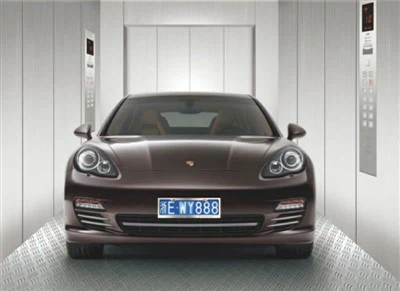
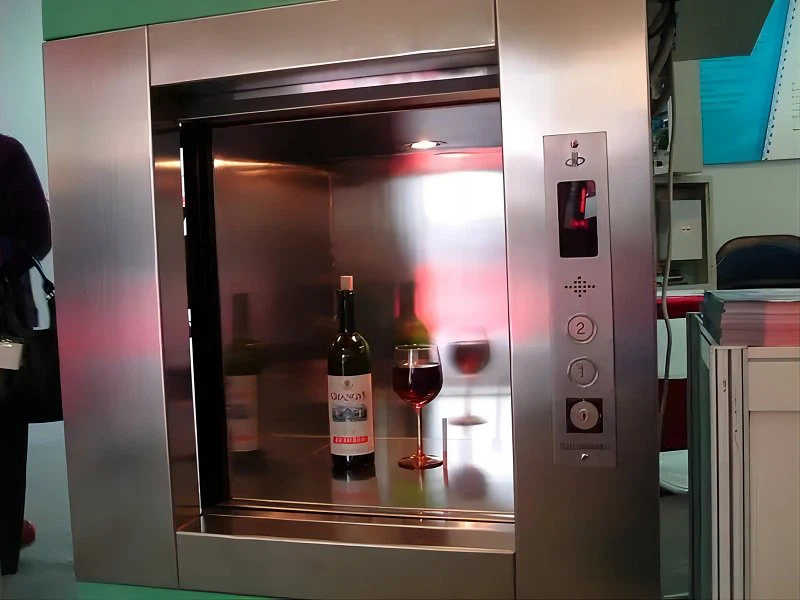
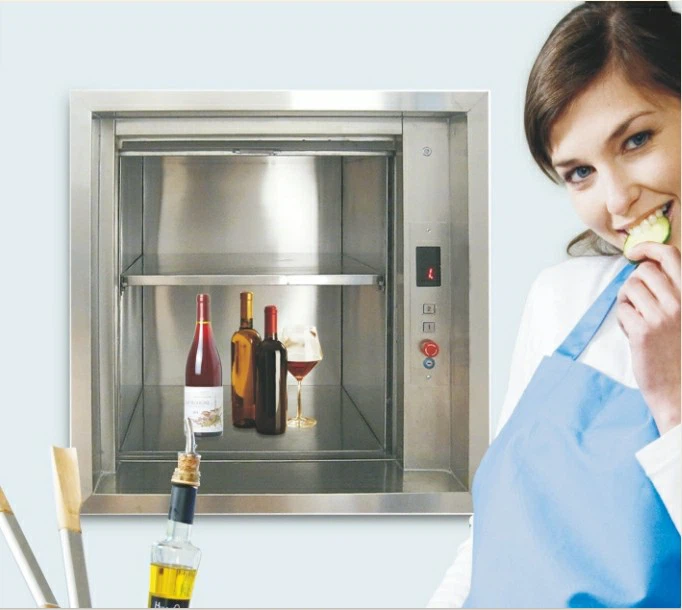
First off, let's talk about what a dumbwaiter is. A dumbwaiter is a small elevator that's designed to move goods between different floors or levels of a building. They're typically used in places where it would be difficult or impractical to move items manually, like in multi - story restaurants or large office buildings. Dumbwaiters come in all shapes and sizes, and they can be customized to fit the specific needs of a business. For example, Restaurant Miscellaneous Elevator is a type of dumbwaiter that's great for handling all sorts of items in a restaurant setting, from dirty dishes to fresh food supplies. And if you're running a family restaurant, the Family Restaurant Elevator is a perfect choice, as it can efficiently move food and drinks between the kitchen and dining areas.
Now, let's turn our attention to conveyor belts. A conveyor belt is a continuous moving belt that's used to transport items from one place to another. Conveyor belts are commonly used in factories, warehouses, and airports to move large quantities of goods quickly and efficiently. They can be horizontal, inclined, or even curved, depending on the layout of the facility.
Design and Structure
One of the most obvious differences between dumbwaiters and conveyor belts is their design and structure. Dumbwaiters are enclosed units that move vertically or sometimes at an angle. They have a car or platform that holds the items being transported, and they're usually powered by an electric motor. The car is guided by rails, which ensure smooth and stable movement.
On the other hand, conveyor belts are open systems. They consist of a belt that rotates around two or more pulleys. The belt is usually made of rubber, plastic, or metal, and it can be flat or have raised edges to prevent items from falling off. Conveyor belts can be very long, stretching across large areas of a facility.
Function and Use
The functions of dumbwaiters and conveyor belts also vary significantly. Dumbwaiters are ideal for transporting items between different floors. In a restaurant, for instance, they can move trays of food from the kitchen on the ground floor to the dining area on the second floor. They're also great for moving heavy or bulky items that would be difficult to carry up and down stairs.
Conveyor belts, on the other hand, are better suited for moving items horizontally over long distances. In a factory, a conveyor belt can move products from one workstation to another, allowing for a continuous production process. They're also used in airports to move luggage from check - in counters to airplanes.
Capacity and Speed
When it comes to capacity, dumbwaiters can handle a decent amount of weight, but it's usually limited compared to conveyor belts. A typical dumbwaiter can carry anywhere from 100 to 1000 pounds, depending on its size and design. This is sufficient for most restaurant and office applications.
Conveyor belts, on the other hand, can handle much larger volumes of goods. They can transport hundreds or even thousands of items per hour, making them ideal for high - volume industries. In terms of speed, conveyor belts can generally move items faster than dumbwaiters. Conveyor belts can operate at speeds of several feet per second, while dumbwaiters usually move at a slower, more controlled pace.
Installation and Maintenance
Installing a dumbwaiter can be a bit more complex than installing a conveyor belt. Dumbwaiters require a dedicated shaft and a proper support structure. They also need to be connected to an electrical system and may require some structural modifications to the building. However, once installed, they're relatively easy to maintain. Regular inspections of the motor, cables, and rails are usually all that's needed.
Conveyor belts are generally easier to install, especially in open areas. They can be set up quickly and don't require as much structural work. However, they do require more frequent maintenance. The belt needs to be cleaned regularly to prevent the buildup of dirt and debris, and the pulleys and motors need to be lubricated and checked for wear and tear.
Cost
The cost of a dumbwaiter and a conveyor belt can vary widely depending on their size, capacity, and features. In general, dumbwaiters tend to be more expensive upfront. This is because of the cost of the shaft, the car, and the installation. However, over the long term, they can be more cost - effective, especially in smaller facilities where the volume of goods being transported is relatively low.
Conveyor belts are usually less expensive to purchase and install, especially for simple, straight - line systems. However, the ongoing maintenance costs can add up, especially for large, complex conveyor systems.
Safety
Both dumbwaiters and conveyor belts have their own safety considerations. Dumbwaiters are equipped with safety features like emergency stop buttons, door interlocks, and overload protection. These features help prevent accidents and ensure the safe operation of the dumbwaiter.
Conveyor belts also have safety features, such as emergency stop switches and guards to prevent people from getting caught in the moving parts. However, because they're open systems, there's a higher risk of items falling off the belt or people accidentally coming into contact with the moving belt.
So, which one is right for your business? Well, it really depends on your specific needs. If you need to move items between different floors, a dumbwaiter is probably the way to go. It's a reliable and efficient solution for vertical transportation. On the other hand, if you need to move large volumes of items horizontally over long distances, a conveyor belt might be a better choice.
If you're still not sure which option is best for you, or if you're interested in learning more about our dumbwaiters, feel free to reach out. We're here to help you make the right decision for your business. Whether you're running a restaurant, a hotel, or a warehouse, we can provide you with a customized solution that meets your needs and budget.
References
- General knowledge about industrial equipment and transportation systems.
- Industry reports on the use of dumbwaiters and conveyor belts in various sectors.