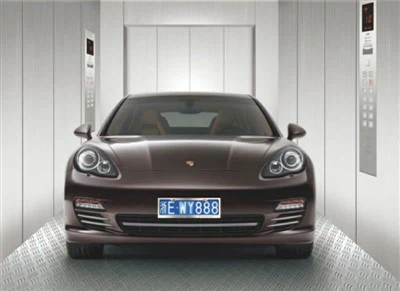
What is the capacity of a typical dumbwaiter?
As a seasoned supplier in the dumbwaiter industry, I often encounter inquiries about the capacity of a typical dumbwaiter. Understanding the capacity is crucial as it directly impacts the functionality and efficiency of these compact elevators in various settings, such as restaurants, hotels, and multi - story homes.
Factors Influencing Dumbwaiter Capacity
Several factors play a role in determining the capacity of a dumbwaiter. First and foremost is the physical size of the dumbwaiter car. The dimensions of the interior space, including length, width, and height, set the boundaries for what can be transported. A larger car can naturally accommodate more items, whether it's a stack of plates in a restaurant or a load of laundry in a residential building.
The construction materials of the dumbwaiter also matter. Dumbwaiters built with stronger and more durable materials can handle heavier loads. For example, a dumbwaiter with a steel frame and reinforced flooring can support a greater weight compared to one made with lighter - gauge materials.
Another important factor is the motor power. A more powerful motor can lift heavier loads smoothly and safely. The motor's capacity is designed to match the intended load capacity of the dumbwaiter. If the motor is under - powered for the load it is expected to carry, it can lead to mechanical problems, slower operation, and potential safety hazards.
Capacity Ranges in Different Settings
Restaurant Settings
In the restaurant industry, dumbwaiters are used to transport food, dishes, and supplies between different floors. A typical dumbwaiter for a Restaurant Miscellaneous Elevator can have a capacity ranging from 100 to 500 pounds.
For small family restaurants, a dumbwaiter with a capacity of around 100 - 200 pounds may be sufficient. These smaller capacity dumbwaiters are often used to move a few plates of food, small trays of utensils, or a limited amount of supplies between the kitchen and the dining area. For instance, a family - owned diner with a single - story kitchen and a small second - floor dining area can benefit from a Family Restaurant Elevator with a 150 - pound capacity. It can easily handle the regular flow of food and dishes during service hours.
On the other hand, larger restaurants, such as fine - dining establishments or banquet halls, may require dumbwaiters with a capacity of 300 - 500 pounds. These high - capacity dumbwaiters can transport large trays of food, multiple stacks of plates, and even heavy equipment like beverage dispensers. They are essential for maintaining a smooth and efficient service, especially during peak dining hours when there is a high volume of food and supplies to be moved.
Hotel Settings
Hotels use dumbwaiters in a variety of ways, including transporting laundry, linens, and room service items. A typical hotel dumbwaiter usually has a capacity in the range of 200 - 600 pounds.
For smaller hotels or boutique hotels, a 200 - 300 - pound capacity dumbwaiter can handle the daily movement of linens and small room service orders. It can transport a few sets of sheets, towels, and a tray of snacks or drinks to the guest rooms.
Larger hotels, especially those with multiple floors and a high volume of guests, may need dumbwaiters with a capacity of 400 - 600 pounds. These dumbwaiters can carry large bundles of laundry, multiple sets of linens, and large room service carts. They help in streamlining the hotel's operations, reducing the time and effort required for staff to manually transport these items between floors.
Residential Settings
In multi - story homes, dumbwaiters are becoming increasingly popular for transporting groceries, laundry, and other household items. A typical residential dumbwaiter has a capacity of 50 - 200 pounds.
A smaller capacity dumbwaiter, around 50 - 100 pounds, can be used to move light items such as a few bags of groceries or a small load of laundry. This is suitable for smaller homes or for those who only need to transport relatively light items between floors.
For larger homes or those with more extensive needs, a 150 - 200 - pound capacity dumbwaiter can handle larger loads. It can transport heavier items like a full basket of laundry, a case of bottled water, or a large box of household supplies.
Choosing the Right Capacity
When choosing a dumbwaiter, it's essential to carefully consider your specific needs. First, make a list of the types of items you will be transporting and estimate their weights. If you are a restaurant owner, consider the peak volume of food and supplies you need to move during a busy service. A hotel manager should take into account the daily laundry volume and the size of room service orders.
It's also important to think about future growth. If your business is expected to expand, it may be wise to choose a dumbwaiter with a slightly higher capacity than your current needs. This can save you the cost and hassle of replacing the dumbwaiter in the future.
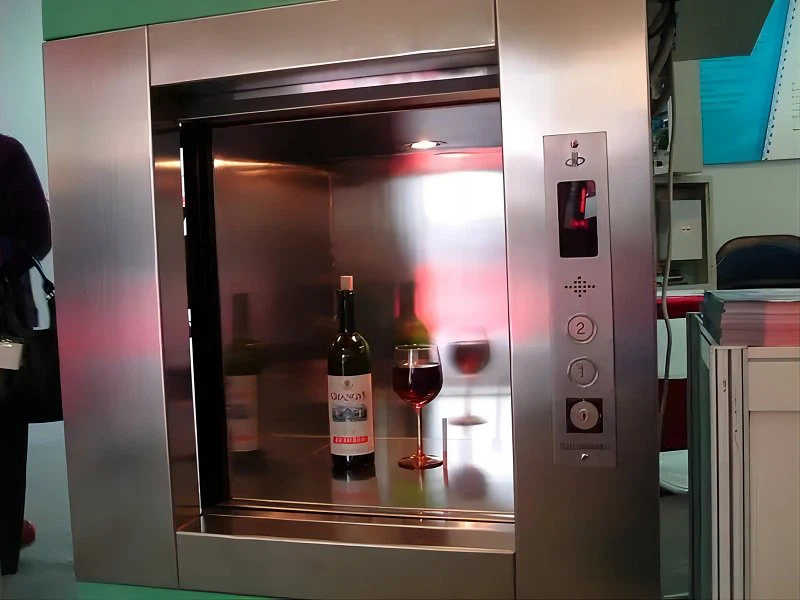
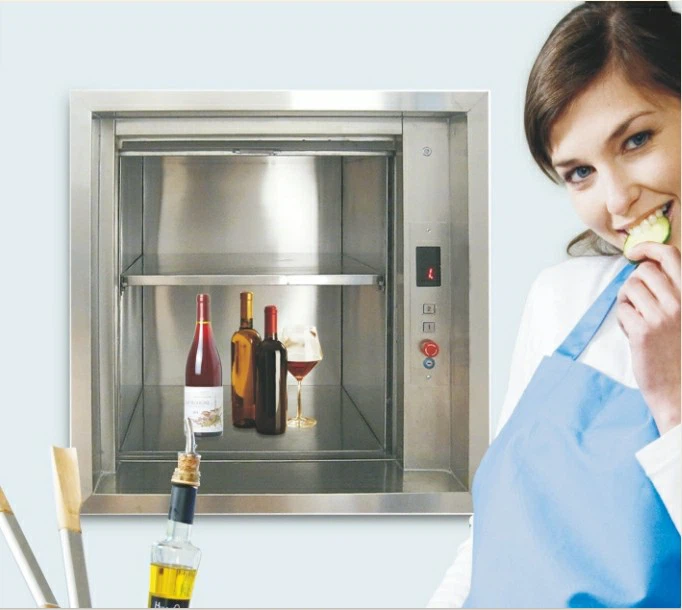
In addition to capacity, other factors such as the speed of the dumbwaiter, the number of stops, and the overall design should also be considered. A well - designed dumbwaiter with the right capacity can significantly improve the efficiency and functionality of your space.
Conclusion
The capacity of a typical dumbwaiter varies depending on the setting in which it is used. Whether it's a restaurant, hotel, or residential building, understanding the factors that influence capacity and choosing the right one for your needs is essential.
If you are in the market for a dumbwaiter and need more information or assistance in selecting the right capacity for your specific requirements, I encourage you to reach out. Our team of experts is ready to help you make an informed decision and ensure that you get a dumbwaiter that meets your needs and budget. Contact us today to start the procurement and negotiation process, and let us help you enhance the efficiency of your operations with a high - quality dumbwaiter.
References
- Elevator Handbook: A comprehensive guide to elevator design, installation, and operation.
- Restaurant Equipment and Supply Industry Reports: Insights into the latest trends and requirements in the restaurant dumbwaiter market.
- Hotel Facility Management Best Practices: Information on the use of dumbwaiters in hotel settings.