Hey there! I'm a supplier of dumbwaiters, and I often get asked about how to install a dumbwaiter in an existing building. It might seem like a daunting task, but with the right approach, it can be a smooth process. In this blog, I'll walk you through the whole thing step by step.
First Things First: Planning and Assessment
Before you even think about starting the installation, you've got to do some planning and assessment. This is super important because it'll help you figure out if your building is actually suitable for a dumbwaiter and what kind of dumbwaiter you need.
Building Inspection
The first step is to inspect your building. You need to check the available space, the structural integrity, and the electrical and mechanical systems. Look for a spot where you can install the dumbwaiter shaft. It should be close to the areas where you'll be using it, like between floors in a restaurant or a multi - level home. You've also got to make sure the structure can support the weight of the dumbwaiter and its load. If you're not sure about the structural stuff, it's a good idea to hire a professional engineer.
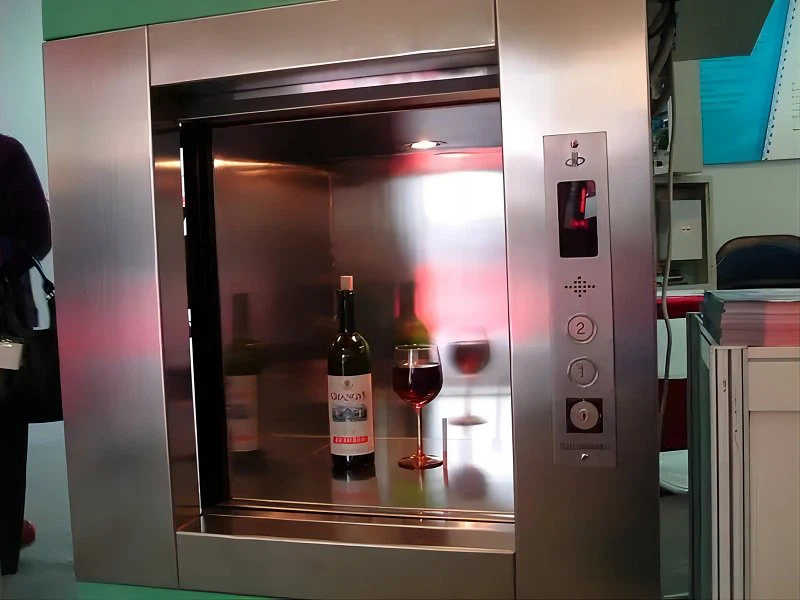

Determine Your Needs
Think about what you'll be using the dumbwaiter for. Are you a restaurant owner looking to move food and dishes between the kitchen and dining areas? If so, you might want to check out our Restaurant Miscellaneous Elevator. Or maybe you're running a family restaurant and need something more tailored to your needs, then our Family Restaurant Elevator could be the way to go. Consider the size of the items you'll be transporting, the frequency of use, and the number of floors the dumbwaiter will serve.
Choosing the Right Dumbwaiter
Once you've done your planning and know what you need, it's time to choose the right dumbwaiter. There are a few things to keep in mind here.
Size and Capacity
The size of the dumbwaiter car is crucial. You want it to be big enough to hold the items you'll be moving, but not so big that it takes up too much space. Also, consider the weight capacity. If you're moving heavy pots and pans in a restaurant, you'll need a dumbwaiter with a higher capacity.
Type of Operation
There are different types of dumbwaiters, like manual and automatic. Manual dumbwaiters are usually cheaper and simpler, but they require someone to operate them. Automatic dumbwaiters are more convenient, especially if you have a high volume of traffic. They can be programmed to stop at specific floors and can even be integrated with other building systems.
Safety Features
Safety should always be a top priority. Look for dumbwaiters with features like emergency stop buttons, door interlocks, and overload protection. These features will help prevent accidents and keep your employees and customers safe.
Getting the Necessary Permits
Before you start the installation, you'll need to get the necessary permits from your local building department. This is a must - do step, as building codes and regulations vary from place to place. You'll need to submit plans and specifications for the dumbwaiter installation, and the building department will review them to make sure they meet all the requirements. It might take some time to get the permits, so factor this into your timeline.
Installation Process
Now, let's get into the actual installation process. This is where the real work begins.
Shaft Construction
The first step in the installation is to construct the dumbwaiter shaft. This involves building a frame and enclosing it with walls. The shaft needs to be straight and plumb, and it should be properly supported by the building structure. You'll also need to install guide rails inside the shaft to keep the dumbwaiter car moving smoothly.
Electrical and Mechanical Installation
Next, you'll need to install the electrical and mechanical components of the dumbwaiter. This includes the motor, controller, cables, and pulleys. Make sure all the electrical connections are properly grounded and that the mechanical parts are lubricated and adjusted correctly.
Car Installation
Once the shaft and the electrical/mechanical components are in place, it's time to install the dumbwaiter car. This involves attaching the car to the cables and guide rails and making sure it can move up and down freely. You'll also need to install the doors and controls for the car.
Testing and Adjustment
After the installation is complete, it's important to test the dumbwaiter thoroughly. Run it through a series of test cycles to make sure it's working properly. Check the speed, the stopping accuracy, and the safety features. Make any necessary adjustments to ensure the dumbwaiter is operating smoothly and safely.
Maintenance and Upkeep
Once your dumbwaiter is up and running, you'll need to keep up with its maintenance. Regular maintenance will help extend the life of the dumbwaiter and prevent breakdowns.
Scheduled Inspections
Schedule regular inspections by a qualified technician. They'll check the mechanical and electrical components, lubricate the moving parts, and look for any signs of wear and tear. They can also make any necessary repairs or adjustments.
Cleaning
Keep the dumbwaiter clean. Wipe down the car, the doors, and the controls regularly. Remove any debris or spills to prevent damage to the components.
Training
Make sure your employees are properly trained on how to use the dumbwaiter safely. Provide them with an operating manual and give them hands - on training. This will help prevent accidents and ensure the dumbwaiter is used correctly.
Conclusion
Installing a dumbwaiter in an existing building is a big project, but it can be a great investment. Whether you're a restaurant owner looking to improve efficiency or a homeowner looking for a convenient way to move items between floors, a dumbwaiter can make your life a lot easier.
If you're interested in purchasing a dumbwaiter or have any questions about the installation process, don't hesitate to reach out. We're here to help you every step of the way. Let's start a conversation and see how we can meet your dumbwaiter needs.
References
- Building codes and regulations from local building departments.
- Manufacturer's installation and maintenance manuals for dumbwaiters.