Can a small home elevator be used by disabled people?

As a supplier of small home elevators, I've often been asked whether our products are suitable for disabled individuals. This is a crucial question that touches on the core of accessibility and inclusivity in home living. In this blog, I'll delve into the features of small home elevators and explain how they can be a game - changer for disabled people.
Understanding the Needs of Disabled People
Disabled individuals face unique challenges when it comes to mobility within their homes. Those with limited physical strength or wheelchair users may find it extremely difficult to move between different floors. Stairs can be a significant barrier, restricting their access to various parts of the house and potentially limiting their independence.
According to the World Health Organization, over a billion people in the world have some form of disability, and a large portion of them live in multi - story homes. For these individuals, a reliable and accessible vertical transportation solution is not just a convenience but a necessity. It can improve their quality of life, allowing them to participate more fully in family activities and enjoy a more comfortable living environment.
Features of Small Home Elevators that Benefit Disabled People
Space - Saving Design
One of the main advantages of small home elevators is their compact size. They are designed to fit into tight spaces, which is ideal for homes with limited square footage. This is particularly important for disabled people who may need to install an elevator in an existing home. For example, a Outdoor Home Elevator can be a great option for those who want to add an elevator without sacrificing too much indoor space. These outdoor elevators can be installed along the exterior of the house, providing easy access to different floors without the need for extensive renovations.
User - Friendly Controls
Small home elevators are equipped with user - friendly controls that are easy to operate. Many models feature large, tactile buttons that can be easily pressed by individuals with limited dexterity. Some elevators also come with voice - activated controls, which are extremely convenient for disabled people who may have difficulty using their hands. For instance, a wheelchair user can simply give a voice command to call the elevator to their floor, eliminating the need to reach for buttons.
Safety Features
Safety is a top priority when it comes to home elevators, especially for disabled users. Small home elevators are equipped with a range of safety features such as emergency stop buttons, door interlocks, and overload protection. In the event of an emergency, the elevator will stop immediately, and the doors will remain locked to prevent any accidents. Additionally, many elevators have backup power systems, ensuring that the elevator can still operate during a power outage. This is crucial for disabled people who rely on the elevator for their daily mobility.
Smooth and Quiet Operation
Disabled individuals may be more sensitive to noise and vibrations. Small home elevators are designed to operate smoothly and quietly, providing a comfortable and stress - free ride. This is especially important for those with sensory sensitivities or who may be easily disturbed by loud noises. For example, a Hydraulic Home Elevator uses a hydraulic system to lift the elevator car, which results in a smooth and quiet operation.
Types of Small Home Elevators for Disabled People
Platform Lifts
Platform lifts are a popular choice for disabled people. They are relatively inexpensive and easy to install. Platform lifts can be used to transport wheelchairs or mobility scooters between different floors. They typically have a simple design with a flat platform that can be raised or lowered. Some platform lifts are also foldable, which is convenient for homes with limited space.
Through - Floor Elevators
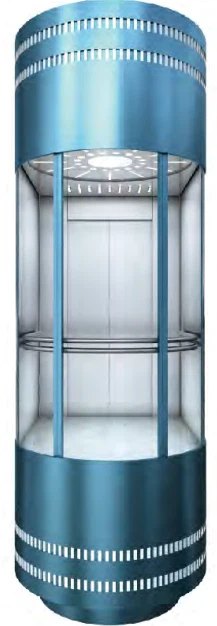
Through - floor elevators are designed to travel through multiple floors. They are more sophisticated than platform lifts and offer a higher level of comfort and functionality. Through - floor elevators can be customized to fit the specific needs of the user. For example, a Glass Home Elevator can provide a modern and stylish look while still offering all the necessary features for disabled users. The glass enclosure allows for a clear view, which can be beneficial for those with visual impairments.
Installation and Maintenance
Installing a small home elevator for disabled people requires careful planning and consideration. It is important to work with a professional installer who has experience in installing elevators for disabled users. The installer will need to assess the home's structure, electrical system, and available space to ensure that the elevator is installed safely and correctly.
Maintenance is also crucial to ensure the long - term reliability of the elevator. Regular maintenance checks should be carried out by a qualified technician. This includes inspecting the mechanical components, checking the safety features, and lubricating the moving parts. Most small home elevators come with a maintenance contract, which provides peace of mind for the user.
Cost Considerations
The cost of a small home elevator for disabled people can vary depending on the type of elevator, its features, and the installation requirements. Platform lifts are generally more affordable than through - floor elevators. However, it is important to consider the long - term benefits of investing in a high - quality elevator. A well - designed and reliable elevator can significantly improve the quality of life for disabled people and their families.
Some governments and organizations offer financial assistance or grants for the installation of home elevators for disabled individuals. It is worth exploring these options to help offset the cost.
Conclusion
In conclusion, small home elevators can be an excellent solution for disabled people. They offer a range of features that are specifically designed to meet the needs of disabled users, including compact size, user - friendly controls, safety features, and smooth operation. Whether you choose a platform lift or a through - floor elevator, a small home elevator can provide disabled people with the independence and mobility they need to live a full and active life at home.
If you are interested in learning more about our small home elevators and how they can benefit disabled individuals, please feel free to contact us for a consultation. We are committed to providing high - quality, accessible elevator solutions for all our customers.
References
- World Health Organization. (2011). World report on disability.
- National Association of Elevator Contractors. (n.d.). Home elevator installation and maintenance guidelines.