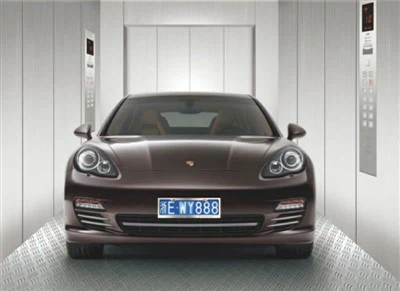
Can a dumbwaiter be used in a restaurant? This is a question that many restaurant owners and operators often ponder. As a supplier of dumbwaiters, I am well - versed in the ins and outs of these useful devices and can provide valuable insights into their application in the restaurant industry.
1. The Basics of Dumbwaiters
A dumbwaiter is a small, freight elevator designed to transport items between different floors or levels of a building. Unlike traditional passenger elevators, dumbwaiters are not intended for human use. They come in various sizes and capacities, and can be customized to fit the specific needs of a business. In a restaurant setting, dumbwaiters can be used to move food, dishes, and other supplies efficiently between the kitchen, dining area, and storage rooms.
2. Advantages of Using Dumbwaiters in Restaurants
2.1. Efficiency and Time - Saving
One of the most significant advantages of using a dumbwaiter in a restaurant is the improvement in efficiency. In a busy restaurant, servers often have to make multiple trips between the kitchen and the dining area to pick up and deliver food. This can be time - consuming and may lead to delays in service. A dumbwaiter can significantly reduce the time spent on these trips. Servers can simply place the food or dishes in the dumbwaiter and send them up or down to the desired level. This allows them to focus more on serving customers, leading to faster turnaround times and improved customer satisfaction.
For example, in a multi - level family restaurant, the kitchen staff can quickly send prepared meals to the upper - floor dining areas using a Family Restaurant Elevator. This reduces the time that customers have to wait for their food, making their dining experience more enjoyable.
2.2. Labor Cost Reduction
By streamlining the process of transporting items between different areas of the restaurant, dumbwaiters can also help reduce labor costs. Fewer staff members are needed to carry food and supplies manually, which means that the restaurant can operate with a smaller workforce. This is especially beneficial for small and medium - sized restaurants that are looking to cut costs without sacrificing service quality.
2.3. Safety and Hygiene
Dumbwaiters also contribute to a safer and more hygienic restaurant environment. When staff members carry heavy trays of food and dishes up and down stairs or through crowded areas, there is a risk of accidents such as spills and falls. A dumbwaiter eliminates this risk by providing a stable and enclosed space for transporting items. Additionally, since the food is transported in a closed compartment, it is less likely to be exposed to contaminants, ensuring better food safety.
2.4. Space Utilization
In a restaurant, space is often at a premium. Dumbwaiters are designed to be compact and can be installed in small, unused spaces such as closets or narrow shafts. This allows restaurants to make the most of their available space without sacrificing functionality. For instance, a Restaurant Miscellaneous Elevator can be installed in a corner or along a wall, taking up minimal floor space while providing a valuable service.
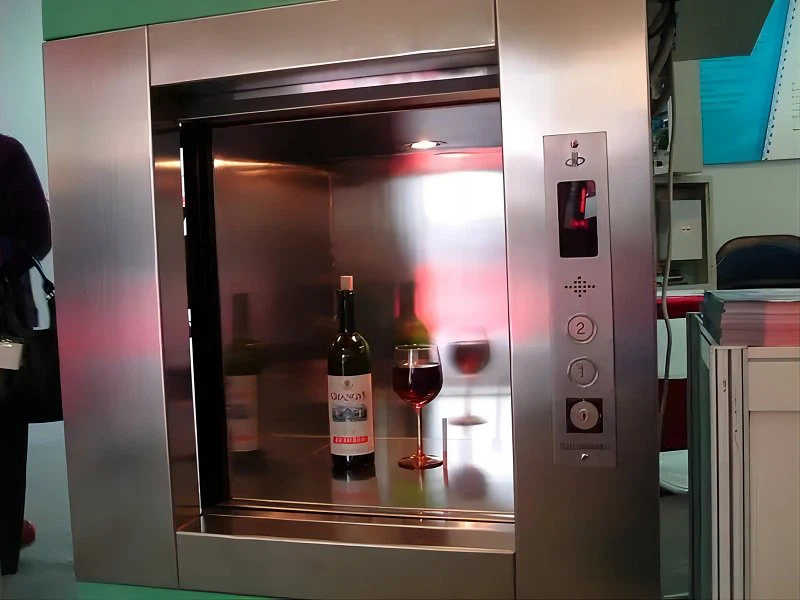
3. Considerations When Using Dumbwaiters in Restaurants
3.1. Installation Requirements
Before installing a dumbwaiter in a restaurant, it is essential to consider the installation requirements. The building must have the appropriate structural support to accommodate the dumbwaiter. Additionally, there need to be proper electrical and mechanical connections. Professional installation is highly recommended to ensure that the dumbwaiter is installed safely and correctly.
3.2. Capacity and Size
It is crucial to choose a dumbwaiter with the right capacity and size for the restaurant's needs. A small dumbwaiter may not be able to handle large orders or bulky items, while an oversized dumbwaiter may take up too much space and be more expensive. Consider the volume of food and supplies that need to be transported on a daily basis when selecting a dumbwaiter.
3.3. Maintenance and Upkeep
Like any mechanical device, dumbwaiters require regular maintenance and upkeep to ensure their proper functioning. This includes lubricating moving parts, checking the electrical system, and inspecting the doors and cables. Establishing a maintenance schedule and working with a professional maintenance provider can help prevent breakdowns and extend the lifespan of the dumbwaiter.
4. Case Studies of Dumbwaiters in Restaurants
4.1. A Fine - Dining Establishment
A high - end, multi - level fine - dining restaurant installed a custom - built dumbwaiter to improve its service efficiency. The dumbwaiter was designed to blend in with the restaurant's elegant decor and had a capacity to carry large, elaborate dishes. As a result, the restaurant saw a significant reduction in the time it took to serve customers, leading to higher customer satisfaction ratings. The kitchen staff also found it easier to manage the flow of food, which improved the overall quality of the dining experience.
4.2. A Fast - Casual Chain
A fast - casual restaurant chain with multiple floors decided to install dumbwaiters in its new locations. The dumbwaiters were used to transport pre - prepared food from the kitchen to the upper - floor dining areas. This allowed the chain to increase its seating capacity without sacrificing service speed. The reduction in labor costs due to the use of dumbwaiters also contributed to improved profitability for the chain.
5. Conclusion
In conclusion, a dumbwaiter can be an excellent addition to a restaurant. It offers numerous benefits, including increased efficiency, reduced labor costs, improved safety and hygiene, and better space utilization. However, it is important to carefully consider the installation requirements, capacity, and maintenance needs before making a decision.
If you are a restaurant owner or operator interested in learning more about how a dumbwaiter can benefit your establishment, we encourage you to contact us. Our team of experts can provide you with detailed information about our products, help you choose the right dumbwaiter for your needs, and assist with the installation and maintenance process. We look forward to the opportunity to work with you and help your restaurant reach new heights of success.
References
- Building Codes and Standards for Elevators and Escalators, National Elevator Industry, Inc.
- Restaurant Operations Management: A Strategic Approach, John Wiley & Sons
- Food Safety Guidelines for Restaurants, Centers for Disease Control and Prevention