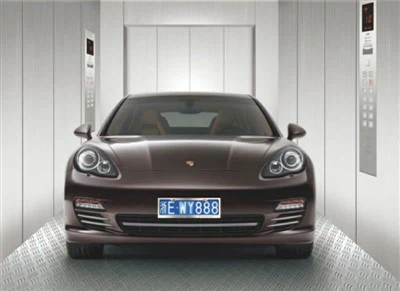
As a supplier of car elevators, I often encounter questions from customers regarding the compliance of our products with local building codes. This is a crucial concern, as ensuring that car elevators meet all regulatory requirements is essential for the safety and functionality of any building where they are installed. In this blog post, I will delve into the topic of car elevator compliance with local building codes, exploring the key factors involved and providing insights based on my experience in the industry.
Understanding Local Building Codes
Local building codes are a set of regulations established by municipal, state, or national authorities to ensure the safety, health, and welfare of building occupants. These codes cover a wide range of aspects, including structural integrity, fire safety, accessibility, and mechanical systems. When it comes to car elevators, building codes specify requirements for design, installation, operation, and maintenance to prevent accidents and ensure proper functioning.
The specific requirements of local building codes can vary significantly from one jurisdiction to another. Factors such as geographical location, climate, population density, and building use can all influence the code requirements. For example, areas prone to earthquakes or hurricanes may have more stringent structural requirements for car elevators to withstand natural disasters. Similarly, buildings designed for public use, such as commercial complexes or hospitals, may have additional accessibility requirements to accommodate people with disabilities.
Compliance Challenges for Car Elevators
Ensuring compliance with local building codes can be a complex and challenging task for car elevator suppliers. One of the main challenges is keeping up with the constantly evolving code requirements. Building codes are regularly updated to incorporate new safety standards, technological advancements, and lessons learned from past incidents. As a result, suppliers need to stay informed about the latest code changes and ensure that their products are designed and manufactured to meet the most current requirements.


Another challenge is the diversity of building types and applications for car elevators. Car elevators can be used in a variety of settings, including residential buildings, commercial complexes, parking garages, and industrial facilities. Each type of building may have different code requirements based on its intended use, occupancy load, and safety considerations. For example, a car elevator in a high-rise residential building may need to meet stricter fire safety and emergency evacuation requirements compared to a car elevator in a low-rise parking garage.
In addition, the installation process of car elevators can also pose compliance challenges. Proper installation is critical to ensuring that the elevator functions safely and efficiently and meets all code requirements. However, installation work can be complex and requires specialized skills and knowledge. Any errors or deviations during the installation process can compromise the safety and compliance of the elevator. Therefore, it is essential to work with experienced and qualified installers who are familiar with the local building codes and have a proven track record of successful installations.
How Our Company Ensures Compliance
At our company, we take compliance with local building codes very seriously. We understand that our customers rely on us to provide high-quality car elevators that meet all regulatory requirements. To ensure compliance, we have implemented a comprehensive quality management system that covers every aspect of our business, from product design and manufacturing to installation and maintenance.
One of the key steps in our compliance process is conducting a thorough review of the local building codes for each project. Before starting any design or manufacturing work, our team of engineers and technicians carefully studies the code requirements for the specific location and building type. This allows us to identify any unique requirements or challenges and incorporate them into the elevator design.
We also work closely with local authorities and regulatory agencies to ensure that our products meet all the necessary approvals. We submit detailed design documents and technical specifications to the relevant authorities for review and obtain the required permits and certifications before proceeding with the installation. This helps to ensure that the elevator installation is carried out in accordance with the local building codes and meets all safety standards.
In addition, we invest in ongoing training and development for our employees to keep them up-to-date with the latest code requirements and industry best practices. Our engineers and technicians regularly attend training courses and seminars to enhance their knowledge and skills in elevator design, installation, and maintenance. This enables us to provide our customers with the highest level of service and ensure that our products are always compliant with the local building codes.
The Benefits of Compliance
Complying with local building codes offers several benefits for both car elevator suppliers and their customers. For suppliers, compliance helps to build a reputation for quality and reliability, which can lead to increased customer trust and loyalty. It also reduces the risk of legal issues and liability claims, as non-compliant products can result in costly fines, lawsuits, and damage to the company's reputation.
For customers, compliance ensures the safety and functionality of the car elevator. A compliant elevator is less likely to experience breakdowns or malfunctions, which can disrupt building operations and pose a risk to the safety of occupants. In addition, a compliant elevator can help to improve the overall value and marketability of the building, as it demonstrates a commitment to safety and quality.
Conclusion
In conclusion, compliance with local building codes is a critical aspect of the car elevator industry. As a supplier, it is our responsibility to ensure that our products meet all regulatory requirements and provide our customers with safe and reliable car elevators. By staying informed about the latest code changes, working closely with local authorities, and implementing a comprehensive quality management system, we can overcome the challenges of compliance and deliver high-quality products that meet the needs of our customers.
If you are interested in learning more about our Car Freight Elevator or Car Elevator Commercial products and how they comply with local building codes, please feel free to contact us. Our team of experts will be happy to answer your questions and provide you with more information about our products and services. We look forward to the opportunity to work with you and help you find the perfect car elevator solution for your project.
References
- International Building Code (IBC)
- National Fire Protection Association (NFPA) Standards
- American Society of Mechanical Engineers (ASME) Elevator and Escalator Safety Code