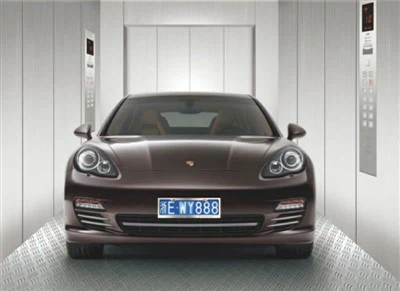
Passenger elevators are complex machines that rely on a variety of sensors to ensure safe, efficient, and comfortable operation. As a passenger elevator supplier, we understand the critical role these sensors play in the functionality of our products, including our SMR Passenger Elevator, MRL Passenger Elevator, and MR Passenger Elevator. In this blog, we'll explore the different types of sensors used in passenger elevators and how they contribute to the overall performance of the system.
Weight Sensors
Weight sensors, also known as load sensors or load cells, are an essential component of any passenger elevator. These sensors are typically installed at the bottom of the elevator car or on the hoist ropes and are designed to measure the weight of the passengers and cargo inside the car. By continuously monitoring the weight, the elevator control system can determine if the car is overloaded, which is a significant safety concern.
When the weight exceeds the elevator's rated capacity, the weight sensors send a signal to the control system, which can trigger several actions. For example, the elevator may refuse to close its doors or move until the excess weight is removed. Some advanced weight sensors can also adjust the elevator's speed and acceleration based on the load, ensuring a smooth and efficient ride for passengers.
Door Sensors
Door sensors are another crucial type of sensor used in passenger elevators. These sensors are responsible for detecting obstacles and ensuring the doors open and close safely. There are several types of door sensors commonly used in elevators:
- Photoelectric Sensors: These sensors use infrared light beams to create an invisible barrier across the elevator door opening. If an object breaks the light beam, the sensor sends a signal to the control system, which immediately stops the door from closing and reverses its direction.
- Pressure Sensors: Pressure sensors are installed on the edges of the elevator doors and detect any physical contact with an object. When pressure is applied to the sensor, it signals the control system to stop the door and open it again.
- Ultrasonic Sensors: Ultrasonic sensors emit high-frequency sound waves and measure the time it takes for the waves to bounce back. By analyzing the reflected waves, the sensor can detect the presence of objects in the door opening and prevent the doors from closing.
Leveling Sensors
Leveling sensors are used to ensure that the elevator car is accurately positioned at each floor. These sensors play a vital role in providing a smooth and seamless transition for passengers entering and exiting the elevator. There are two main types of leveling sensors:
- Magnetic Sensors: Magnetic sensors are installed along the elevator shaft and on the elevator car. As the car approaches a floor, the magnetic sensors detect the magnetic field of the floor's magnetic strips and send a signal to the control system. The control system then adjusts the elevator's speed and position to ensure it levels precisely with the floor.
- Optical Sensors: Optical sensors use light beams to detect the position of the elevator car. These sensors are typically installed on the hoistway doors and on the elevator car. As the car approaches a floor, the optical sensors detect the light reflection from the floor's target and send a signal to the control system. The control system then makes the necessary adjustments to level the car with the floor.
Speed Sensors
Speed sensors are used to monitor the speed of the elevator car and ensure it operates within the specified limits. These sensors are critical for maintaining the safety and comfort of passengers. There are several types of speed sensors commonly used in elevators:
- Rotary Encoders: Rotary encoders are attached to the elevator's motor or drive system and measure the rotation of the shaft. By converting the rotation into electrical signals, the encoder can determine the speed and direction of the elevator car.
- Tachogenerators: Tachogenerators are generators that produce an electrical voltage proportional to the speed of rotation. These sensors are typically connected to the elevator's motor or drive system and provide a continuous measurement of the car's speed.
- Hall Effect Sensors: Hall effect sensors use the Hall effect to detect the magnetic field changes caused by the rotation of a magnet. These sensors are often used in combination with other speed sensors to provide redundant speed monitoring.
Safety Sensors
Safety sensors are designed to detect potentially dangerous situations and trigger emergency actions to protect passengers and equipment. There are several types of safety sensors used in passenger elevators:
- Overspeed Governor Sensors: Overspeed governor sensors are installed in the elevator shaft and are designed to detect if the elevator car is traveling at an excessive speed. If the speed exceeds a pre-set limit, the sensor triggers the overspeed governor, which applies brakes to stop the elevator car.
- Buffer Sensors: Buffer sensors are installed at the bottom of the elevator shaft and are designed to detect if the elevator car is approaching the end of the shaft at a high speed. If the sensor detects a potential impact, it triggers the elevator's buffers, which absorb the energy of the impact and prevent the car from crashing.
- Emergency Stop Sensors: Emergency stop sensors are installed inside the elevator car and on the hoistway doors. These sensors allow passengers to stop the elevator in an emergency situation. When the emergency stop button is pressed, the sensor sends a signal to the control system, which immediately stops the elevator and applies the brakes.
Position Sensors
Position sensors are used to determine the exact location of the elevator car within the shaft. These sensors are essential for accurate floor leveling, door operation, and overall elevator control. There are several types of position sensors commonly used in elevators:
- Absolute Encoders: Absolute encoders provide a unique digital code for each position of the elevator car. These sensors are highly accurate and can provide precise position information even after a power failure.
- Incremental Encoders: Incremental encoders measure the change in position of the elevator car relative to a starting point. These sensors are less expensive than absolute encoders but require additional processing to determine the absolute position.
- Magnetic Tape Sensors: Magnetic tape sensors use a magnetic tape installed along the elevator shaft and a sensor on the elevator car to detect the position. These sensors are relatively simple and cost-effective but may be affected by magnetic interference.
Temperature and Humidity Sensors
Temperature and humidity sensors are used to monitor the environmental conditions inside the elevator car and machine room. These sensors are important for maintaining the comfort and safety of passengers and ensuring the proper operation of the elevator equipment.


- Temperature sensors: Temperature sensors are installed inside the elevator car and machine room to monitor the temperature. If the temperature exceeds a pre-set limit, the sensor can trigger the elevator's ventilation system or shut down the elevator to prevent damage to the equipment.
- Humidity sensors: Humidity sensors are used to measure the moisture content in the air. High humidity levels can cause corrosion and damage to the elevator equipment, while low humidity levels can lead to static electricity and discomfort for passengers. By monitoring the humidity levels, the elevator control system can adjust the ventilation and air conditioning systems to maintain a comfortable and safe environment.
Conclusion
In conclusion, passenger elevators rely on a wide range of sensors to ensure safe, efficient, and comfortable operation. From weight sensors and door sensors to leveling sensors and safety sensors, each type of sensor plays a critical role in the overall functionality of the elevator system. As a passenger elevator supplier, we are committed to using the latest sensor technology to provide our customers with high-quality and reliable elevator products.
If you are interested in learning more about our passenger elevators or would like to discuss your specific requirements, please feel free to contact us. We look forward to working with you to provide the best elevator solutions for your project.
References
- ISO 4190-1:2017, Cranes -- Classification -- Part 1: General
- ASME A17.1-2022, Safety Code for Elevators and Escalators
- EN 81-20:2014+A1:2019, Safety rules for the construction and installation of lifts -- Part 20: Electric lifts