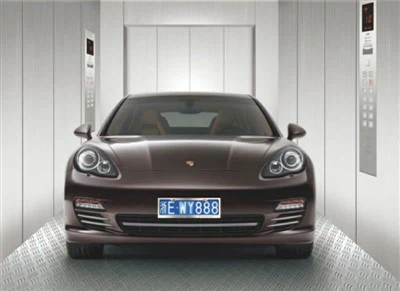
As a leading supplier of MR (Machine Room) Freight Elevators, I often encounter inquiries about the power supply requirements for these robust and reliable pieces of equipment. Understanding the power needs of an MR Freight Elevator is crucial for ensuring its smooth operation, efficiency, and safety. In this blog post, I will delve into the details of what kind of power supply an MR Freight Elevator requires, considering various factors that influence these requirements.
Factors Influencing Power Supply Requirements
Elevator Capacity
The capacity of an MR Freight Elevator is one of the primary factors determining its power supply needs. Elevators with higher weight capacities need more power to lift and lower heavy loads. For instance, a small freight elevator Small Freight Elevator with a capacity of 500 kg will require less power compared to a large - scale machine room cargo elevator Machine Room Cargo Elevator capable of carrying 5000 kg or more. The motor of the elevator has to work harder to move the increased mass, which directly translates into higher power consumption.
Speed of Operation
The speed at which the elevator travels also affects the power supply requirements. Faster elevators need more power to accelerate and decelerate the load quickly. An MR Freight Elevator designed for high - speed operation, say, traveling at 1 m/s or more, will draw more power during acceleration phases compared to a slower - moving elevator. This is because more energy is required to overcome the inertia of the load and the elevator car itself in a shorter period.
Number of Floors
The number of floors the elevator serves is another important factor. Elevators serving a large number of floors need to operate for longer distances, which means the motor has to run for extended periods. This leads to higher overall power consumption. An elevator in a multi - story industrial building with 10 or more floors will consume more power over time compared to one in a two - or three - story building.

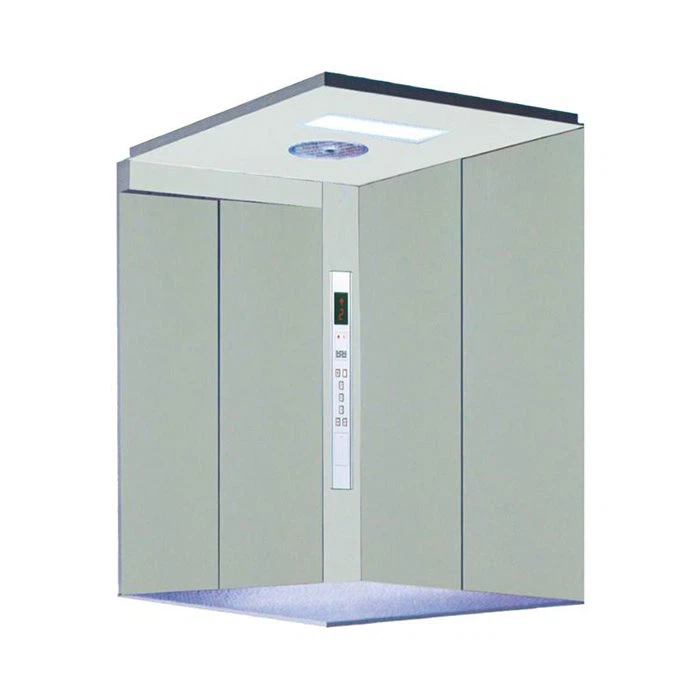
Control System
The type of control system used in the MR Freight Elevator can influence power consumption. Modern, energy - efficient control systems can optimize the elevator's operation, reducing power usage. For example, some advanced control systems use variable frequency drives (VFDs) to adjust the motor's speed according to the load and the elevator's position. This allows the motor to run at the most efficient speed, thereby conserving power. In contrast, older, less sophisticated control systems may not be as effective in managing power consumption.
Typical Power Supply Specifications
Voltage
Most MR Freight Elevators typically require a three - phase power supply. The standard voltage for industrial applications in many regions is 380V or 400V, although this can vary depending on local electrical standards. A three - phase power supply is preferred because it provides a more stable and efficient power source for the elevator's motor. Single - phase power supplies are generally not suitable for larger freight elevators due to their limited power - delivery capacity.
Frequency
The frequency of the power supply is usually 50Hz or 60Hz, depending on the country or region. The elevator's motor is designed to operate at a specific frequency, and any deviation from this can affect its performance. It is essential to ensure that the power supply frequency matches the elevator's specifications to avoid issues such as reduced motor efficiency or even motor damage.
Power Rating
The power rating of an MR Freight Elevator motor can range from a few kilowatts for small - capacity, slow - speed elevators to tens of kilowatts for large - capacity, high - speed models. For a small freight elevator with a capacity of around 1000 kg and a moderate speed of 0.5 m/s, the motor power rating might be in the range of 5 - 10 kW. Larger elevators with capacities of 5000 kg or more and higher speeds could have motor power ratings of 20 kW or more.
Power Supply Installation and Safety Considerations
Electrical Wiring
Proper electrical wiring is crucial for the safe and efficient operation of the MR Freight Elevator. The wiring should be sized appropriately to handle the elevator's power requirements. Undersized wiring can lead to overheating, voltage drops, and potential electrical hazards. It is recommended to consult a qualified electrician or electrical engineer to design and install the wiring system. The wiring should also be protected by appropriate circuit breakers and fuses to prevent short - circuits and overloads.
Grounding
A reliable grounding system is essential for the safety of the elevator and its users. The elevator's electrical components, including the motor, control panels, and lighting, should be properly grounded to prevent electrical shocks. Grounding also helps in dissipating any static electricity that may build up in the elevator car or the electrical system.
Power Quality
The quality of the power supply is equally important. Voltage fluctuations, harmonics, and power outages can all affect the elevator's performance and longevity. Installing power - conditioning equipment such as voltage regulators and surge protectors can help maintain a stable power supply and protect the elevator's electrical components from damage.
Energy Efficiency and Power Management
Energy - Saving Features
Many modern MR Freight Elevators are equipped with energy - saving features to reduce power consumption. As mentioned earlier, VFDs are a common energy - saving technology. They allow the motor to run at variable speeds, matching the power output to the actual load requirements. Another feature is regenerative drives, which can convert the energy generated during the elevator's descent into electrical energy and feed it back into the power grid. This not only reduces the elevator's overall power consumption but also helps in conserving energy on a larger scale.
Maintenance and Monitoring
Regular maintenance of the elevator is essential for ensuring optimal power efficiency. Keeping the motor well - lubricated, checking the alignment of the drive system, and maintaining the control system can all contribute to reducing power consumption. Additionally, implementing a monitoring system to track the elevator's power usage can help identify any abnormal power consumption patterns, which may indicate a problem with the elevator's components or operation.
Conclusion
In conclusion, the power supply requirements of an MR Freight Elevator are influenced by several factors, including elevator capacity, speed of operation, number of floors, and the control system. Understanding these factors is crucial for selecting the appropriate power supply and ensuring the elevator's efficient and safe operation. As a supplier of MR Freight Elevators, we can provide you with detailed information about the power requirements of our products based on your specific needs.
If you are considering purchasing an MR Freight Elevator, whether it's a small freight elevator Small Freight Elevator, a machine room cargo elevator Machine Room Cargo Elevator, or an MRL Freight Elevator MRL Freight Elevator, we are here to assist you. Our team of experts can help you determine the most suitable power supply for your elevator and ensure a seamless installation process. Don't hesitate to reach out to us for more information and to discuss your procurement needs.
References
- "Elevator Technology Handbook" by Wolfgang Strack
- "Industrial Electrical Power Systems" by Theodore Wildi
- Various industry standards and guidelines related to elevator electrical installations