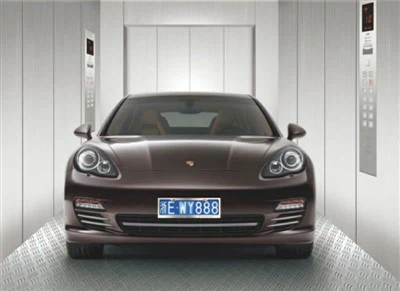
As a seasoned supplier of car elevators, I often get asked about the speed of these specialized machines. The speed of a car elevator is a crucial factor that impacts its efficiency, convenience, and overall suitability for different applications. In this blog post, I'll delve into the details of car elevator speed, exploring the factors that influence it, typical speed ranges, and how to choose the right speed for your specific needs.
Factors Influencing Car Elevator Speed
Several key factors play a role in determining the speed of a car elevator. Understanding these factors can help you make an informed decision when selecting an elevator for your project.
Building Height and Design
The height of the building where the car elevator will be installed is one of the most significant factors affecting its speed. In taller buildings, elevators need to cover greater distances, so higher speeds are often required to ensure efficient transportation. For example, in a high - rise commercial building with multiple floors dedicated to parking, a faster car elevator can significantly reduce the time it takes for cars to move between levels.
The design of the building also matters. If the elevator shaft has a larger cross - sectional area, it can potentially accommodate a faster - moving elevator. This is because a larger shaft provides more space for the elevator car to move and for the counterweights and other components to operate without interference.
Load Capacity
The weight of the cars that the elevator will carry is another important consideration. Elevators with higher load capacities typically move at slower speeds. This is because moving a heavier load requires more power and can put additional stress on the elevator's mechanical and electrical systems. For instance, a car freight elevator designed to carry large trucks or multiple cars will generally have a lower speed compared to an elevator for smaller passenger cars. You can learn more about our Car Freight Elevator on our website.
Safety Regulations
Safety is of utmost importance in elevator design and operation. Regulatory bodies set limits on elevator speeds to ensure the safety of passengers and the integrity of the equipment. These regulations take into account factors such as braking systems, door interlocks, and emergency stop mechanisms. Elevator manufacturers must comply with these standards, which can restrict the maximum speed at which an elevator can operate.
Drive System
The type of drive system used in the elevator also affects its speed. There are several types of drive systems, including hydraulic, traction, and machine - room - less (MRL) systems.
- Hydraulic Elevators: These elevators use a hydraulic piston to move the elevator car up and down. Hydraulic elevators are generally slower, with speeds ranging from about 0.15 to 0.3 m/s (30 to 60 feet per minute). They are well - suited for low - rise buildings or applications where a slower, more stable movement is required.
- Traction Elevators: Traction elevators use steel ropes or belts and a counterweight to move the elevator car. They can achieve higher speeds, typically ranging from 0.5 to 2.5 m/s (100 to 500 feet per minute) or even higher in some high - end commercial applications. Traction elevators are commonly used in mid - rise and high - rise buildings.
- Machine - Room - Less (MRL) Elevators: MRL elevators are a type of traction elevator that eliminates the need for a separate machine room. They are known for their space - saving design and can offer speeds similar to traditional traction elevators.
Typical Speed Ranges for Car Elevators
The speed of car elevators can vary widely depending on their intended use and the factors mentioned above. Here are some typical speed ranges for different types of car elevators:
Residential Car Elevators
In residential settings, car elevators are often used to move a single passenger car between different levels of a home, such as from a basement garage to the ground floor. These elevators typically have lower speeds, ranging from 0.15 to 0.3 m/s (30 to 60 feet per minute). The slower speed is sufficient for the relatively short distances and lower traffic volume in a residential environment.
Commercial Car Elevators
Commercial car elevators, such as those used in multi - level parking garages or car showrooms, may require higher speeds. For small to medium - sized commercial buildings, speeds can range from 0.3 to 0.6 m/s (60 to 120 feet per minute). In larger commercial complexes or high - rise buildings, speeds can go up to 1.0 to 2.5 m/s (200 to 500 feet per minute) or more. You can find more information about our Car Elevator Commercial on our website.
Car Freight Elevators
Car freight elevators are designed to carry heavy loads, such as large trucks or multiple cars. Due to their high load capacity, these elevators usually have slower speeds, typically ranging from 0.15 to 0.3 m/s (30 to 60 feet per minute). The slower speed helps to ensure the safe and stable movement of the heavy loads.
Choosing the Right Speed for Your Car Elevator
Selecting the appropriate speed for your car elevator depends on several factors, including the building's height, traffic volume, and the type of vehicles it will carry. Here are some guidelines to help you make the right choice:
Consider the Building's Height and Usage
If you're installing a car elevator in a low - rise building with only a few floors, a slower - speed elevator may be sufficient. However, in a high - rise building or a facility with a high volume of car traffic, a faster elevator will be more efficient. For example, in a busy commercial parking garage with multiple levels, a faster elevator can reduce wait times and improve the overall flow of traffic.
Evaluate the Load Capacity
If you need to transport large or heavy vehicles, such as trucks or SUVs, you'll need an elevator with a higher load capacity. Keep in mind that elevators with higher load capacities generally move at slower speeds. Make sure to choose an elevator that can handle the weight of your vehicles while still meeting your speed requirements.
Balance Speed and Cost
Faster elevators typically come with a higher price tag. This is because they require more advanced technology, stronger motors, and better - engineered components. When choosing an elevator speed, you'll need to balance your desire for speed with your budget. Consider the long - term benefits of a faster elevator, such as increased efficiency and improved user experience, against the initial cost.
Contact Us for Your Car Elevator Needs
If you're in the market for a car elevator, we're here to help. As a leading supplier of car elevators, we offer a wide range of products with different speeds, load capacities, and features to meet your specific requirements. Our team of experts can assist you in choosing the right elevator for your project, taking into account factors such as building design, traffic volume, and budget.


Whether you need a residential car elevator, a commercial car elevator, or a car freight elevator, we have the solution for you. Contact us today to start the conversation about your car elevator needs and let us help you find the perfect elevator for your application.
References
- Elevator Handbook, Third Edition by Wolfgang Schmidke
- Safety Code for Elevators and Escalators (ASME A17.1)