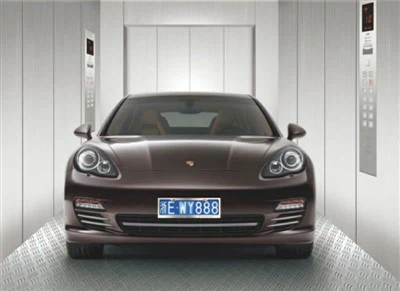
As a seasoned provider of Car Freight Elevators, I often encounter inquiries regarding the maximum weight capacity of these essential pieces of equipment. The weight capacity of a car freight elevator is a critical factor that significantly influences its functionality, safety, and suitability for various applications. In this blog post, I will delve into the factors that determine the maximum weight capacity of a car freight elevator, explore different capacity ranges, and discuss the importance of selecting the right capacity for your specific needs.
Factors Influencing the Maximum Weight Capacity
Several key factors play a crucial role in determining the maximum weight capacity of a car freight elevator. Understanding these factors is essential for accurately assessing the elevator's capabilities and ensuring its safe and efficient operation.
Structural Design and Construction
The structural design and construction of the elevator are fundamental determinants of its weight capacity. Elevators with robust and well-engineered structures can typically support heavier loads. The materials used in the construction, such as high-strength steel for the frame and cables, contribute to the elevator's overall strength and durability. Additionally, the design of the elevator car, including its size, shape, and reinforcement, affects its ability to distribute the weight evenly and withstand the stress exerted by heavy loads.
Hoisting System
The hoisting system is responsible for lifting and lowering the elevator car. The type and capacity of the hoisting system directly impact the maximum weight the elevator can carry. Hydraulic hoisting systems, for example, are known for their ability to handle heavy loads and are often used in car freight elevators with high weight capacities. Electric traction hoisting systems, on the other hand, offer smooth and efficient operation and are suitable for a wide range of weight capacities. The motor power, gear ratio, and braking system of the hoisting system also play important roles in determining the elevator's weight capacity.
Safety Features
Safety is of utmost importance in elevator design, and the maximum weight capacity is closely related to the elevator's safety features. Elevators are equipped with various safety mechanisms, such as overload protection devices, emergency brakes, and safety governors, to prevent accidents and ensure the well-being of passengers and cargo. These safety features are designed to operate within specific weight limits, and exceeding the maximum weight capacity can compromise their effectiveness. Therefore, the maximum weight capacity of an elevator is carefully determined to ensure that all safety features function properly under normal and emergency conditions.
Building Infrastructure
The building infrastructure in which the elevator is installed also affects its weight capacity. The strength and stability of the building's structure, including the floors, walls, and support columns, must be able to withstand the additional load imposed by the elevator and its contents. The elevator shaft dimensions, including the height, width, and depth, also need to be considered to ensure that the elevator car can move freely without any obstructions. In some cases, modifications to the building infrastructure may be required to accommodate a car freight elevator with a higher weight capacity.
Common Weight Capacity Ranges
Car freight elevators are available in a wide range of weight capacities to meet the diverse needs of different industries and applications. The following are some common weight capacity ranges and their typical uses:
Light-Duty Elevators (Up to 2,000 kg)
Light-duty car freight elevators are suitable for applications that require the transportation of small to medium-sized vehicles, such as cars, SUVs, and light trucks. These elevators are commonly used in automotive showrooms, service centers, and small parking garages. They offer a cost-effective solution for vertical vehicle transportation and are relatively easy to install and maintain.
Medium-Duty Elevators (2,000 - 5,000 kg)
Medium-duty car freight elevators can handle heavier loads and are often used in larger parking garages, multi-story car parks, and commercial buildings. They are capable of transporting larger vehicles, such as vans, buses, and heavy trucks. These elevators typically have more advanced features and safety systems to ensure the safe and efficient movement of heavy vehicles.
Heavy-Duty Elevators (Over 5,000 kg)
Heavy-duty car freight elevators are designed for industrial applications that require the transportation of extremely heavy vehicles and equipment. They are commonly used in manufacturing plants, shipyards, and mining operations. These elevators are built to withstand the most demanding conditions and can handle weights of up to several tens of tons. They often feature specialized designs and components to ensure maximum strength and durability.
Importance of Selecting the Right Weight Capacity
Selecting the right weight capacity for your car freight elevator is crucial for several reasons. Here are some key considerations:
Safety
The safety of passengers and cargo is the top priority when it comes to elevator operation. Overloading an elevator can cause serious safety hazards, such as malfunctioning of the hoisting system, damage to the elevator car and components, and even structural failure of the building. By choosing an elevator with the appropriate weight capacity, you can ensure that it operates safely and reliably under all conditions.
Efficiency
An elevator with the right weight capacity can improve the efficiency of your operations. It allows you to transport vehicles and cargo quickly and smoothly, reducing downtime and increasing productivity. On the other hand, an elevator with a capacity that is too low may require multiple trips to transport the same amount of cargo, resulting in longer wait times and decreased efficiency.
Cost-Effectiveness
Selecting the right weight capacity can also help you save costs in the long run. An elevator that is oversized for your needs may be more expensive to purchase, install, and maintain. On the other hand, an undersized elevator may require frequent upgrades or replacements, which can also be costly. By choosing an elevator with the appropriate weight capacity, you can ensure that you are getting the best value for your investment.
How to Determine the Right Weight Capacity for Your Needs
Determining the right weight capacity for your car freight elevator requires careful consideration of several factors. Here are some steps to help you make an informed decision:
Assess Your Vehicle and Cargo Requirements
Start by assessing the types and sizes of vehicles and cargo that you need to transport. Consider the maximum weight, dimensions, and number of vehicles or items that will be loaded onto the elevator at one time. This will give you a general idea of the weight capacity you need.


Consider Future Growth and Expansion
If you anticipate future growth or changes in your operations, it is important to consider these factors when selecting the weight capacity of your elevator. Choosing an elevator with a slightly higher capacity than your current needs can provide flexibility and accommodate future expansion without the need for costly upgrades or replacements.
Consult with an Elevator Expert
Working with an experienced elevator provider or consultant can be invaluable in determining the right weight capacity for your needs. They can assess your specific requirements, recommend the most suitable elevator models and configurations, and provide you with detailed information about the features, performance, and cost of different options.
Conclusion
The maximum weight capacity of a car freight elevator is a critical factor that depends on several factors, including structural design, hoisting system, safety features, and building infrastructure. By understanding these factors and selecting the right weight capacity for your specific needs, you can ensure the safe, efficient, and cost-effective operation of your elevator.
If you are in the market for a Car Freight Elevator or Car Elevator Commercial, I encourage you to contact us for a consultation. Our team of experts can help you determine the best elevator solution for your requirements and provide you with a comprehensive quote. We look forward to working with you to meet your elevator needs.
References
- Elevator Design and Installation Standards. [Publisher Name], [Year of Publication].
- Safety Guidelines for Elevator Operation. [Organization Name], [Year of Publication].
- Industry Reports on Car Freight Elevator Market Trends. [Research Firm Name], [Year of Publication].