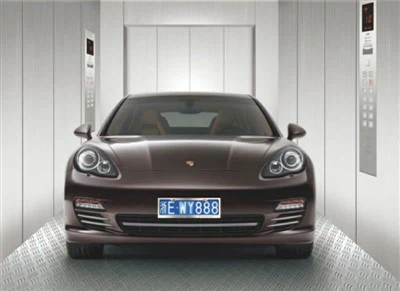
As a dedicated supplier of MR Passenger Elevator, I've encountered numerous inquiries regarding the maximum capacity of these elevators. Understanding elevator capacity is crucial for both building designers and facility managers as it directly impacts the efficiency and safety of vertical transportation within a building. In this blog post, I'll delve into the factors that determine the maximum capacity of an MR passenger elevator, explore the typical ranges, and discuss how to choose the right capacity for your specific needs.
Factors Affecting the Maximum Capacity of an MR Passenger Elevator
1. Elevator Dimensions
The physical dimensions of an elevator car, including its length, width, and height, play a significant role in determining its capacity. A larger elevator car can accommodate more passengers. However, building constraints such as available shaft space and floor load limitations may restrict the size of the elevator car. Manufacturers typically offer a range of standard car sizes to suit different building requirements.
2. Safety Standards and Regulations
Elevator capacity is also regulated by safety standards and codes set by national and international organizations. These standards ensure that elevators can safely carry a specified number of passengers under normal operating conditions. For example, in many countries, the maximum number of passengers allowed in an elevator is calculated based on a certain amount of floor space per person (usually around 0.2 - 0.3 square meters per person). Additionally, safety features such as emergency brakes and load sensors are required to prevent overloading.
3. Elevator Speed and Traffic Patterns
The speed of the elevator and the expected traffic patterns in the building can influence the capacity requirements. In high - rise buildings with heavy traffic, faster elevators may be needed to transport passengers efficiently. However, faster elevators may have different capacity limitations compared to slower ones due to factors such as acceleration and deceleration forces. Understanding the peak and off - peak traffic flows in the building is essential for determining the appropriate capacity.
4. Door Configuration
The type and design of elevator doors also affect capacity. Sliding doors, for example, are more common in modern elevators as they allow for quick entry and exit of passengers. The width and opening speed of the doors can impact the rate at which passengers can enter and leave the elevator car, which in turn affects the overall capacity. Double - sliding or center - opening doors can provide wider entryways, allowing for faster passenger flow.
Typical Capacity Ranges of MR Passenger Elevators
The maximum capacity of an MR passenger elevator can vary widely depending on the factors mentioned above. Generally, the capacities can range from a few passengers to over 20.
Small - Capacity Elevators
Elevators with a capacity of around 4 - 6 passengers are commonly found in small residential buildings, offices with limited floor space, or historical buildings where shaft sizes are restricted. These elevators are suitable for buildings with light traffic and can typically handle a few people at a time.
Medium - Capacity Elevators
Medium - capacity elevators, which can carry 8 - 12 passengers, are widely used in a variety of buildings, including mid - rise apartments, commercial offices, and hotels. They offer a good balance between capacity and cost, making them a popular choice for many applications.
Large - Capacity Elevators
In high - rise buildings, shopping malls, and transportation hubs, large - capacity elevators with a capacity of 13 - 20 passengers or more are often required. These elevators are designed to handle heavy traffic and can transport a significant number of people quickly between floors.
How to Choose the Right Capacity for Your Building
1. Analyze Traffic Demand
The first step in choosing the right elevator capacity is to analyze the traffic demand in your building. This involves estimating the number of people who will be using the elevator during peak and off - peak hours. For example, in an office building, peak traffic may occur during the start and end of the workday, while in a hotel, peak traffic may be during check - in and check - out times.
2. Consider Future Growth
It's important to consider future growth when selecting elevator capacity. If you expect the number of building occupants to increase in the future, it may be wise to choose an elevator with a slightly higher capacity than your current needs to avoid the need for costly upgrades later on.
3. Evaluate Building Layout and Accessibility Requirements
The layout of your building and accessibility requirements should also be taken into account. For example, if your building has wheelchair - accessible areas or areas with high pedestrian flow, you may need to choose an elevator with a larger capacity and wider doors to accommodate these needs.
4. Consult with a Professional
Finally, it's always a good idea to consult with an elevator professional or a building engineer. They can provide expert advice based on your specific building requirements, local regulations, and industry best practices.
Our MR Passenger Elevator Offerings
At our company, we offer a wide range of MR Passenger Elevators with different capacities to meet the diverse needs of our customers. Our elevators are designed with the latest technology and safety features to ensure reliable and efficient operation.
In addition to MR passenger elevators, we also offer SMR Passenger Elevator and MRL Passenger Elevator options. Our SMR passenger elevators are known for their smooth operation and energy efficiency, while our MRL passenger elevators are a space - saving solution for buildings with limited machine room space.
If you're in the process of planning a new building or upgrading an existing one, and you need to determine the right elevator capacity for your needs, we're here to help. Our team of experts can provide you with detailed information, perform a site assessment, and offer customized solutions to meet your specific requirements.
Conclusion
The maximum capacity of an MR passenger elevator is determined by a variety of factors, including elevator dimensions, safety standards, traffic patterns, and door configuration. By carefully analyzing your building's traffic demand, considering future growth, evaluating layout and accessibility requirements, and consulting with a professional, you can choose the right elevator capacity for your needs.


If you're interested in learning more about our MR passenger elevators or any of our other elevator products, please don't hesitate to contact us. We're ready to assist you in making the best decision for your building's vertical transportation needs.
References
- Elevator Safety Codes and Standards, National Elevator Industry, Inc.
- Building Design and Elevator Capacity Planning, American Institute of Architects.