Yo, what's up! I'm a supplier of villa elevators, and today I wanna chat about something that might not be on everyone's radar but can have a big impact on your villa elevator: humidity.
Let's start by getting a basic understanding of humidity. Humidity is basically the amount of water vapor in the air. It can vary a lot depending on where you live, the time of year, and even the weather on a given day. There are two main types of humidity we talk about: absolute humidity and relative humidity. Absolute humidity is the actual amount of water vapor in a given volume of air, while relative humidity is the ratio of the amount of water vapor in the air to the maximum amount the air could hold at that temperature.
Now, you might be wondering, "Why should I care about humidity when it comes to my villa elevator?" Well, humidity can mess with your elevator in a few different ways.

Impact on Mechanical Components
First off, let's talk about the mechanical parts of the elevator. High humidity can lead to corrosion. You see, when there's a lot of water vapor in the air, it can settle on the metal components of the elevator, like the cables, pulleys, and guide rails. Over time, this water can react with the metal, causing rust. Rust weakens the metal, which can be a huge safety risk. For example, if the cables start to rust, they might not be able to support the weight of the elevator car properly. This could lead to the cables snapping, and you definitely don't want that happening.
The moving parts of the elevator can also be affected. High humidity can cause the lubricants on these parts to break down faster. Lubricants are essential for reducing friction between the moving parts. When the lubricants break down, the friction increases, which means the parts have to work harder. This can lead to increased wear and tear, and eventually, the parts might need to be replaced more often. That's not only a hassle but also costly.
Electrical System Issues
The electrical system of the villa elevator is another area that can be severely impacted by humidity. Moisture in the air can seep into electrical components, like control panels, motors, and wiring. Once the moisture gets in, it can cause short - circuits. A short - circuit can damage the electrical components and even lead to a complete system failure. You might find that your elevator suddenly stops working, or it starts acting erratically, like opening and closing the doors at the wrong times.
In addition, high humidity can cause the insulation on the wiring to degrade. Insulation is there to prevent the electricity from leaking out and causing a safety hazard. When the insulation degrades, it can expose the wires, increasing the risk of electrical shocks. This is a serious concern, especially if there are passengers in the elevator.
Impact on the Interior of the Elevator
The interior of the elevator is also at risk due to humidity. If the humidity is high, it can create a damp environment inside the elevator car. This can lead to the growth of mold and mildew. Mold and mildew not only look bad but can also be a health hazard. People with allergies or respiratory problems can have a really tough time when they're exposed to mold spores.
The finish of the interior materials can also be affected. For example, if you have a nice wooden interior in your elevator, high humidity can cause the wood to warp or swell. The paint or varnish on the walls and fixtures might start to peel or bubble. This can make the elevator look shabby and reduce its overall aesthetic appeal.
Solutions to Combat Humidity
So, what can you do to protect your villa elevator from the effects of humidity? Well, one option is to install a dehumidifier in the elevator shaft or the machine room. A dehumidifier works by removing excess moisture from the air, keeping the humidity levels in check. This can help prevent corrosion, electrical problems, and mold growth.
Proper ventilation is also crucial. Make sure there are enough vents in the elevator shaft and the machine room to allow fresh air to circulate. This can help remove the moist air and replace it with drier air. You might also want to consider using moisture - resistant materials when building or renovating your elevator. For example, there are special types of metals that are more resistant to corrosion, and you can use moisture - resistant paints and finishes on the interior.
Different Types of Villa Elevators and Humidity
At our company, we offer a variety of villa elevators, and each type has its own considerations when it comes to humidity.
If you're thinking about an Outdoor Home Elevator, you need to be extra careful. Outdoor elevators are exposed to the elements, so they're more likely to be affected by humidity. You'll want to make sure the elevator is well - sealed to prevent moisture from getting in. The materials used should be highly resistant to corrosion. For example, stainless steel is a great choice for outdoor elevators as it can withstand the effects of humidity and other weather conditions.
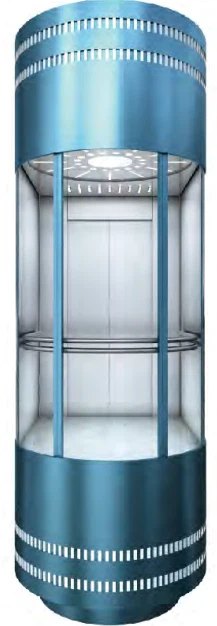
Glass Home Elevators are another popular option. While glass itself is not affected by humidity, the frames and the electrical components around the glass can be. You need to ensure that the seals around the glass are tight to prevent moisture from seeping in. Also, the electrical systems should be well - protected.
Indoor Residential Elevators are a bit more protected from the outside humidity, but they're still at risk. In a villa, there might be areas with high humidity, like near a swimming pool or a bathroom. If the elevator is located in these areas, you need to take extra precautions to control the humidity levels.
Conclusion
In conclusion, humidity can have a significant impact on your villa elevator. It can affect the mechanical components, the electrical system, and the interior of the elevator. But don't worry, there are solutions available to protect your elevator. As a villa elevator supplier, we're here to help you choose the right elevator for your needs and provide you with advice on how to keep it in top condition.
If you're in the market for a new villa elevator or need help with an existing one, don't hesitate to reach out. We can work with you to find the best solutions to combat humidity and ensure your elevator runs smoothly for years to come.
References
- "Building Services Handbook" by CIBSE (Chartered Institution of Building Services Engineers).
- "Electrical Installation Handbook" by Schneider Electric.
- Research papers on the effects of environmental factors on elevator systems from relevant engineering journals.