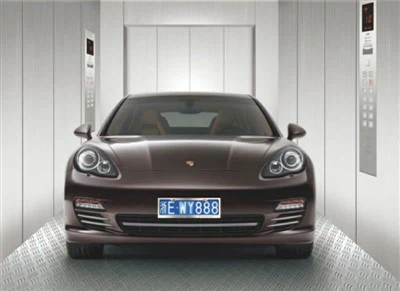
Hey there! As a supplier of MRL Freight Elevators, I often get asked about the cost of installing these bad boys. So, I thought I'd break it down for you in this blog post.

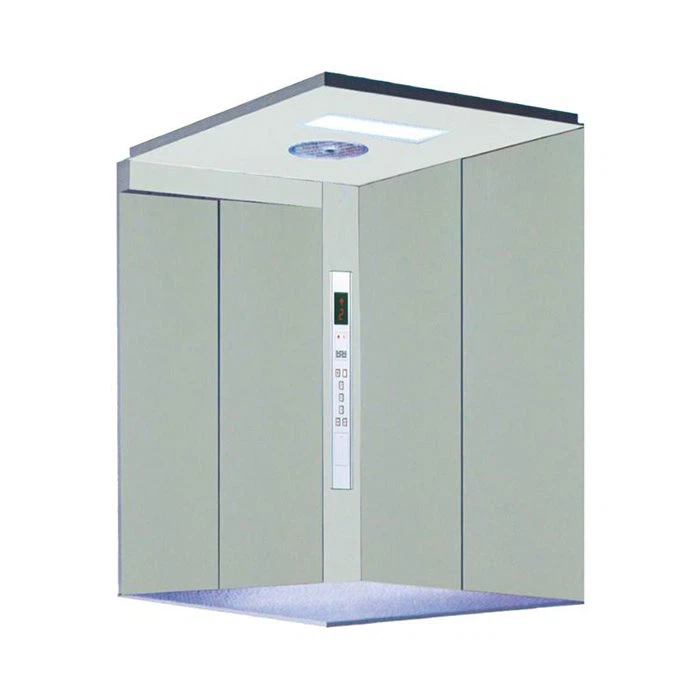
First off, let's talk about what an MRL Freight Elevator is. MRL stands for Machine Room - Less. Unlike traditional Machine Room Cargo Elevator or MR Freight Elevator, an MRL Freight Elevator doesn't require a separate machine room. This design has a bunch of advantages, like saving space in your building and being more energy - efficient.
Factors Affecting the Cost
1. Capacity
The capacity of the elevator is a major factor in determining the cost. If you need to move heavy loads, say 5,000 pounds or more, you're going to pay more than if you only need a 1,000 - pound capacity elevator. Higher - capacity elevators require stronger materials for the car, cables, and hoisting mechanisms. For example, a small - capacity MRL Freight Elevator for a light - duty warehouse might cost around $20,000 - $30,000. But if you're looking at a high - capacity elevator for a large industrial facility, the price can shoot up to $50,000 or more.
2. Speed
The speed at which the elevator operates also impacts the cost. Faster elevators need more advanced control systems and more powerful motors. If you're in a building where time is of the essence, like a busy distribution center, you might want a faster elevator. A standard - speed MRL Freight Elevator could cost less, but if you opt for a high - speed model, you'll likely pay an additional 10% - 20% of the base price.
3. Customization
Do you need special features like a particular door type, an advanced security system, or a custom - sized elevator car? Customization can add a significant amount to the cost. For instance, if you want a unique door design for easy loading and unloading, or a sophisticated access control system, you're looking at extra expenses. Custom - built MRL Freight Elevators can cost anywhere from 15% to 30% more than standard models.
4. Installation Location
The location where the elevator will be installed matters a lot. If the building has difficult access, like a multi - story building with narrow hallways or an old structure that needs a lot of modifications, the installation cost will go up. Also, if the building is in a remote area, transportation costs for the elevator components and the installation team can be higher. In some cases, installation in a complex location can increase the overall cost by 20% - 30%.
5. Regulatory Requirements
Different regions have different building codes and safety regulations for elevators. Meeting these requirements can add to the cost. For example, some areas might require additional safety features like emergency brakes or fire - resistant materials. You'll need to factor in the cost of ensuring your elevator complies with all the local rules.
Breakdown of Costs
Equipment Cost
This is the price of the elevator itself, including the car, hoisting system, control panel, and doors. The equipment cost can range from $15,000 for a basic, small - capacity MRL Freight Elevator to over $60,000 for a high - end, large - capacity model.
Installation Cost
Installation costs usually cover labor, tools, and any additional materials needed for the setup. On average, installation can cost between $10,000 and $20,000, depending on the factors we mentioned earlier like location and complexity.
Maintenance and Service Contracts
Don't forget about the long - term costs. A maintenance and service contract is essential to keep your elevator running smoothly. These contracts can cost around $1,500 - $3,000 per year, depending on the level of service and the complexity of the elevator.
Cost Comparison with Other Types of Freight Elevators
When compared to Machine Room Cargo Elevator and MR Freight Elevator, MRL Freight Elevators can be more cost - effective in the long run. Although the initial equipment cost might be similar, MRL elevators save on space, which can reduce building construction or renovation costs. Also, their energy - efficient design can lead to lower operating costs over time.
Is it Worth the Investment?
In most cases, yes! If you're running a business that requires the regular movement of goods, an MRL Freight Elevator can improve efficiency, reduce labor costs, and increase the overall safety of your operations. The upfront cost might seem high, but the long - term benefits usually outweigh it.
Let's Talk!
If you're considering installing an MRL Freight Elevator for your business, I'd love to chat. We can discuss your specific needs, get you a detailed quote, and answer any questions you might have. Whether you're in a small warehouse or a large industrial complex, we've got the expertise to provide you with the best elevator solution at a competitive price.

References
- "Elevator Installation and Maintenance Guide", Industry Standard Publishing
- "Cost Analysis of Different Types of Freight Elevators", Elevator Research Institute