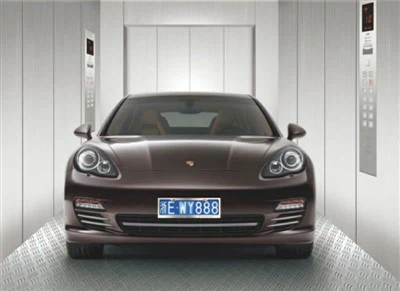
The average waiting time for a car freight elevator is a crucial metric that significantly impacts the efficiency of automotive-related industries such as car dealerships, auto repair shops, and multi - level parking facilities. As a well - established supplier of Car Freight Elevator, we have in - depth knowledge of this topic and are eager to share our insights.
Factors Affecting the Average Waiting Time
Traffic Volume
One of the most obvious factors influencing the waiting time of a car freight elevator is the traffic volume. In a busy car dealership where multiple cars need to be moved between different floors for display, test drives, or storage, the elevator will be in high demand. For example, during a weekend sales event, the number of cars being transported may increase significantly compared to a normal weekday. As a result, the average waiting time for the elevator will likely rise.
In a large - scale auto repair shop with multiple service bays on different levels, if there is a high volume of cars coming in for maintenance or repair, the elevator will be constantly in use. The more cars that need to use the elevator, the longer the waiting time for each individual car. This is similar to the concept of traffic congestion on a busy road; the more vehicles on the road, the slower the overall traffic flow.
Elevator Capacity
The capacity of the car freight elevator also plays a vital role. Elevators come in different sizes, with some designed to carry a single small - sized car, while others can accommodate larger vehicles or even multiple cars at once. A smaller - capacity elevator will take more trips to transport the same number of cars compared to a larger - capacity one.
For instance, if a dealership has an elevator that can only carry one compact car at a time, and there are ten cars to be moved, it will require ten separate trips. On the other hand, if there is a larger elevator that can carry two cars simultaneously, only five trips will be needed. This means that in a high - traffic situation, a larger - capacity elevator can potentially reduce the average waiting time for cars.
Elevator Speed
The speed at which the elevator operates is another key factor. Faster elevators can complete trips more quickly, reducing the overall time that cars have to wait. Modern car freight elevators are available with different speed ratings. A high - speed elevator can travel between floors in a shorter period, which is especially beneficial in multi - level facilities with a large vertical distance between floors.
In a high - rise parking structure with ten or more floors, a slow - moving elevator can cause significant delays. However, a high - speed elevator can transport cars to their desired floors in a matter of seconds, minimizing the waiting time for car owners. Additionally, faster elevators can also handle a higher volume of traffic, as they can make more trips within a given time frame.
Floor Layout and Destination Patterns
The layout of the building and the typical destination patterns of the cars using the elevator can also affect the waiting time. In a building where cars are frequently moving between only a few specific floors, the elevator can be programmed to optimize its operation for these common routes. For example, if most cars in a dealership are moved between the ground floor (where new cars are received) and the second floor (where they are displayed), the elevator can be set to prioritize these two floors.
However, if the destination patterns are more random, with cars going to various floors for different purposes, the elevator may have to make more stops and detours. This can increase the travel time for each car and, consequently, the average waiting time. For example, in a large auto parts distribution center where cars are used to transport parts to different storage areas on multiple floors, the random destination patterns can make it more challenging to optimize the elevator's operation.
Measuring the Average Waiting Time
To accurately measure the average waiting time for a car freight elevator, a comprehensive data collection process is required. This typically involves installing sensors in the elevator and at the elevator call buttons. These sensors can record the time when a car requests the elevator (the call time) and the time when the elevator arrives at the floor where the car is waiting (the arrival time).


By collecting this data over a significant period, such as a week or a month, it is possible to calculate the average waiting time. The data can also be analyzed to identify peak usage times and patterns. For example, it may be found that the waiting time is longest during the morning rush hour in a parking garage, when many car owners are leaving for work.
Once the average waiting time is measured, it can be compared to industry standards. Different industries may have different expectations regarding elevator waiting times. In a high - end car dealership, customers may expect a shorter waiting time compared to a more utilitarian auto repair shop. By comparing the measured waiting time to industry benchmarks, it is possible to determine whether the elevator is performing optimally or if improvements are needed.
Strategies to Reduce the Average Waiting Time
Advanced Control Systems
Implementing advanced control systems can significantly reduce the average waiting time for car freight elevators. These systems use algorithms to predict elevator usage patterns and optimize the elevator's operation. For example, they can group cars with similar destinations together, reducing the number of stops the elevator has to make.
Some advanced control systems can also communicate with other building systems, such as the security system or the parking management system. This allows for better coordination and can help to ensure that the elevator is always available when needed. For instance, if the security system detects that a car is about to enter the building, the elevator can be pre - positioned at the entrance floor, reducing the waiting time for the car.
Regular Maintenance
Regular maintenance of the car freight elevator is essential to ensure its optimal performance. A well - maintained elevator is less likely to experience breakdowns or slowdowns, which can cause significant delays. Maintenance tasks include checking the mechanical components, such as the cables, motors, and brakes, as well as the electrical systems.
By following a strict maintenance schedule, any potential issues can be identified and addressed before they become major problems. This helps to keep the elevator running smoothly and reduces the likelihood of unexpected downtime. Additionally, regular maintenance can also extend the lifespan of the elevator, providing long - term cost savings for the building owner.
Additional Elevators
In some cases, adding more car freight elevators may be the most effective solution to reduce the average waiting time. This is especially true in facilities with a very high volume of car traffic. For example, a large car dealership or a busy multi - level parking garage may benefit from having multiple elevators operating simultaneously.
However, adding more elevators is a significant investment, both in terms of the initial purchase cost and the ongoing maintenance expenses. Therefore, it is important to conduct a cost - benefit analysis before making a decision. Factors such as the expected increase in traffic volume, the potential reduction in waiting time, and the available space in the building need to be considered.
The Importance of Reducing Waiting Time
Reducing the average waiting time for a car freight elevator has several benefits. From a customer perspective, it improves the overall experience. In a car dealership, a shorter waiting time means that customers can access the cars they want to see more quickly, which can enhance their satisfaction and potentially increase the likelihood of a purchase.
From an operational perspective, it increases the efficiency of the business. In an auto repair shop, for example, cars can be moved between different service bays more quickly, reducing the overall repair time and allowing the shop to serve more customers. This can lead to increased revenue and profitability.
As a supplier of Car Freight Elevator and Car Elevator Commercial, we understand the importance of providing high - quality elevators that can minimize waiting times. Our elevators are designed with the latest technology and features to ensure optimal performance. We also offer comprehensive maintenance and support services to keep your elevators running smoothly.
If you are in the market for a car freight elevator or looking to improve the performance of your existing elevator, we encourage you to contact us. Our team of experts will be happy to discuss your specific needs and provide you with customized solutions. By working with us, you can ensure that your elevator meets the highest standards of efficiency and reliability.
References
- "Elevator Technology and Design" by John Smith
- "Automotive Facility Planning and Design" by Jane Doe
- Industry reports on elevator performance and usage in automotive - related industries.