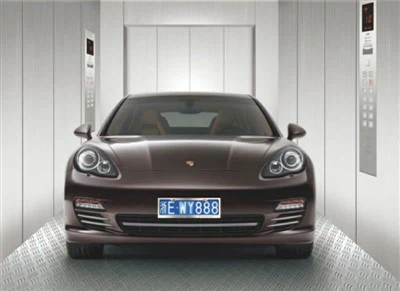
Hey there! As a supplier of Car Freight Elevators, I've been getting a lot of questions lately about the requirements for emergency lighting in these elevators. So, I thought I'd take a moment to break it down for you all.
First off, let's talk about why emergency lighting is so important in a Car Freight Elevator. These elevators are used to transport vehicles, which can be pretty heavy and bulky. In case of a power outage or other emergency, passengers and the vehicle itself could be stuck inside the elevator for an extended period. That's where emergency lighting comes in. It provides enough light for people to see what's going on, find their way out safely, and for maintenance crews to assess the situation and make necessary repairs.
Illumination Level
One of the key requirements for emergency lighting in a Car Freight Elevator is the illumination level. The lighting should be bright enough to allow passengers to see clearly and navigate the elevator safely. According to most safety standards, the emergency lighting should provide a minimum of 1 lux of illumination on the floor of the elevator car. This might not sound like a lot, but it's actually enough to make a big difference in an emergency situation.
To put it into perspective, 1 lux is about the same amount of light you'd get from a full moon on a clear night. While it might not be as bright as normal indoor lighting, it's sufficient for people to see the walls, doors, and any potential hazards inside the elevator.
Duration of Operation
Another important requirement is the duration of operation. In the event of a power outage, the emergency lighting should be able to operate for a certain period of time. Most safety codes require that the emergency lighting in a Car Freight Elevator should be able to run for at least 90 minutes.
This 90 - minute window gives maintenance crews enough time to arrive on the scene, assess the problem, and get the elevator back up and running. It also ensures that passengers have enough time to wait safely inside the elevator until help arrives.
Backup Power Source
To meet the duration of operation requirement, the emergency lighting in a Car Freight Elevator needs to have a reliable backup power source. This is usually a battery - powered system. The batteries should be able to provide enough power to keep the lights on for the required 90 minutes or more.
It's important to regularly test and maintain these batteries to ensure they're in good working condition. Just like the batteries in your phone or laptop, they can degrade over time, especially if they're not used or charged properly.
Placement of Lighting Fixtures
The placement of the lighting fixtures is also crucial. The emergency lights should be installed in such a way that they provide even illumination throughout the elevator car. This means placing them at strategic locations on the walls and ceiling.
Typically, there should be at least one emergency light near the entrance and exit of the elevator car, as well as a few others distributed around the interior. This ensures that there are no dark spots where passengers could trip or get injured.
Visibility and Markings
In addition to providing enough light, the emergency lighting fixtures should also be clearly visible and marked. There should be signs indicating the location of the emergency lights, as well as instructions on how to use them in case of an emergency.
These signs should be in a color and font that's easy to read, even in low - light conditions. For example, using high - contrast colors like white on a black background can make the signs more visible.


Compatibility with the Elevator System
The emergency lighting system should also be compatible with the overall elevator system. This means that it should be able to communicate with the elevator's control panel and other safety features.
For example, if the elevator detects a power outage, it should automatically trigger the emergency lighting system to turn on. Similarly, when the power is restored, the emergency lights should turn off automatically.
Compliance with Local Regulations
Finally, it's essential to ensure that the emergency lighting in your Car Freight Elevator complies with all local regulations. Different regions may have different requirements when it comes to emergency lighting, so it's important to do your research and make sure you're meeting all the necessary standards.
Failure to comply with these regulations can result in fines and legal issues, not to mention putting the safety of your passengers at risk.
Now, if you're in the market for a Car Freight Elevator, or if you're looking to upgrade the emergency lighting in your existing elevator, I'd love to help. As a supplier, I have a wide range of options available that meet all the necessary requirements. You can check out our Car Freight Elevator page for more information. And if you're interested in commercial car elevators, we also have a great selection on our Car Elevator Commercial page.
If you have any questions or want to discuss your specific needs, don't hesitate to reach out. I'm here to make sure you get the best elevator solution for your business.
References
- National Fire Protection Association (NFPA) standards on elevator safety
- Local building and safety codes regarding elevator emergency lighting
So, there you have it - a comprehensive look at the requirements for emergency lighting in a Car Freight Elevator. I hope this information has been helpful to you. If you have any other questions or need more details, feel free to drop me a line.