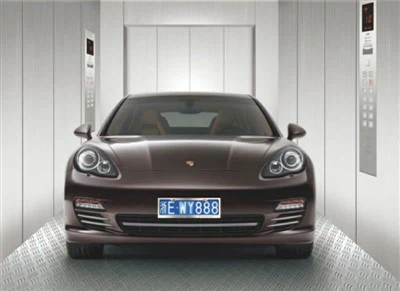
As a seasoned supplier of passenger elevators, I understand the paramount importance of fire safety in these vertical transportation systems. Passenger elevators are integral components of modern buildings, and ensuring their safety during a fire is crucial for the well - being of building occupants. In this blog, I will delve into the various fire - safety features of passenger elevators.
1. Fire - Resistant Construction
One of the fundamental aspects of a passenger elevator's fire safety is its construction. Our elevators, such as the SMR Passenger Elevator, are built with fire - resistant materials. The elevator shaft is typically lined with fire - rated walls. These walls are designed to withstand high temperatures for a specified period, preventing the spread of fire and smoke from the building into the elevator shaft.
The hoistway doors are also made of fire - resistant materials. They are constructed to close tightly during a fire, creating a barrier that restricts the passage of flames and smoke. The seals around the doors are engineered to expand when exposed to heat, further enhancing their fire - stopping capabilities. This ensures that the elevator car remains a relatively safe space for passengers during a fire emergency.
2. Smoke Detection and Ventilation Systems
Smoke is one of the most dangerous by - products of a fire, as it can quickly fill an elevator shaft and the car, making it difficult for passengers to breathe and escape. Our passenger elevators are equipped with advanced smoke detection systems. These sensors are strategically placed throughout the elevator shaft and in the car itself.
Once smoke is detected, the system immediately triggers an alarm. This alarm not only alerts passengers inside the elevator but also notifies the building's fire control center. In addition to the alarm, the elevator's ventilation system kicks into action. The ventilation system is designed to remove smoke from the elevator shaft and the car. It can either exhaust the smoke outside the building or filter it to remove harmful particles.
For example, in our MRL Passenger Elevator, the ventilation system is highly efficient. It can rapidly clear the air inside the elevator car, providing passengers with a safer environment until they can be safely evacuated.
3. Emergency Power Supply
During a fire, the main power supply to a building may be interrupted. To ensure the continued operation of the elevator and the safety of passengers, our passenger elevators are equipped with emergency power supplies. These backup power sources, such as batteries or generators, can power the elevator's essential functions, including lighting, communication systems, and the ability to move the car to a safe floor.


In the event of a power outage, the elevator will automatically switch to the emergency power supply. The car will then be programmed to move to a pre - determined safe floor, usually the ground floor or a designated refuge floor. This allows passengers to exit the elevator safely and evacuate the building. Our MR Passenger Elevator is designed with a reliable emergency power supply system that can operate for an extended period, providing passengers with sufficient time to reach safety.
4. Fire - Phase Operation
Passenger elevators are also equipped with a fire - phase operation mode. When a fire alarm is activated in the building, the elevator system will enter this special mode. In fire - phase operation, the elevator car will immediately stop at the nearest floor and open its doors to allow passengers to exit.
After the passengers have left the car, the elevator will return to the ground floor or a designated emergency floor and remain there until the fire emergency is over. This prevents the elevator from being used as a means of transportation during a fire, which could put passengers at risk. The elevator control system is programmed to prioritize the safety of passengers and the prevention of fire spread.
5. Communication Systems
Effective communication is essential during a fire emergency. Our passenger elevators are equipped with multiple communication systems to keep passengers informed and connected. Inside the elevator car, there is an emergency intercom system. Passengers can use this intercom to communicate with the building's security personnel or the fire control center.
In addition to the intercom, there are also visual and audible emergency messages. These messages provide instructions to passengers on what to do during a fire, such as remaining calm, waiting for further instructions, or evacuating the car. The communication systems are designed to be reliable and easy to use, even in high - stress situations.
6. Fire - Rated Electrical Wiring
The electrical wiring in our passenger elevators is fire - rated. This means that the wiring is designed to maintain its integrity and functionality during a fire. It can withstand high temperatures without short - circuiting or causing additional hazards.
The fire - rated wiring is crucial for the proper operation of the elevator's various systems, including the control system, lighting, and communication systems. By using fire - rated wiring, we ensure that the elevator can continue to function safely during a fire, providing passengers with a better chance of survival.
7. Automatic Door Reversal
To prevent passengers from being trapped in the elevator car during a fire, our elevators are equipped with an automatic door reversal feature. If the elevator doors detect an obstruction while closing, they will immediately reverse and open again. This is especially important during a fire emergency, as passengers may be in a hurry to enter or exit the elevator, and there could be debris or other objects in the doorway.
The automatic door reversal feature adds an extra layer of safety, ensuring that passengers can move in and out of the elevator car freely without being injured by the closing doors.
Conclusion
Fire safety is a top priority in the design and operation of our passenger elevators. From fire - resistant construction to advanced communication systems, we have incorporated a wide range of features to ensure the safety of passengers during a fire emergency.
If you are in the market for a passenger elevator and are concerned about fire safety, we invite you to contact us for a detailed discussion. Our team of experts can provide you with more information about our products and how they can meet your specific fire - safety requirements. Let's work together to create a safer environment for your building's occupants.
References
- Elevator Safety Standards Handbook, International Association of Elevator Engineers
- Fire Protection Handbook, National Fire Protection Association