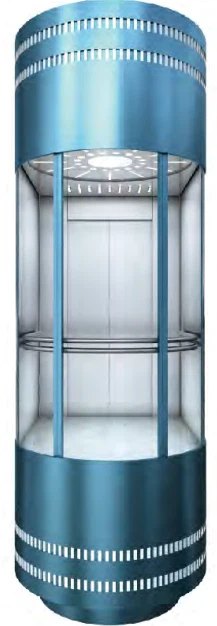
In recent years, the demand for home elevators has been on the rise, driven by factors such as an aging population, multi - story home construction, and a growing desire for convenience and luxury in residential settings. Among the various types of home elevators, glass home elevators have emerged as a popular choice due to their sleek design, modern aesthetic, and ability to offer panoramic views. As a supplier of Glass Home Elevator, I am well - versed in the features of these elevators, especially their energy - efficiency aspects.
Energy - Efficient Motor Systems
One of the primary energy - efficiency features of a glass home elevator lies in its motor system. Modern glass home elevators are often equipped with permanent magnet synchronous motors (PMSMs). These motors are known for their high efficiency compared to traditional induction motors. PMSMs operate with a lower slip, which means less energy is wasted as heat. They can convert a higher percentage of electrical energy into mechanical energy, resulting in significant energy savings over the long term.
For instance, a PMSM - powered glass home elevator can consume up to 30% less electricity than an elevator with a conventional induction motor. This is not only beneficial for the environment but also for the homeowner's wallet, as it reduces monthly energy bills. Additionally, PMSMs require less maintenance due to their simple design and fewer moving parts, further contributing to cost - effectiveness.
Regenerative Drives
Another remarkable energy - saving feature is the use of regenerative drives. When a glass home elevator descends, the potential energy of the elevator car and its passengers is converted into electrical energy. In a traditional elevator system, this energy is dissipated as heat. However, with regenerative drives, this energy is captured and fed back into the building's electrical grid or used to power other electrical devices in the home.
Regenerative drives can recover up to 30 - 40% of the energy consumed during the elevator's operation. This not only reduces the overall energy consumption of the elevator but also makes the home more self - sufficient in terms of energy usage. For example, the recovered energy can be used to power lights, small appliances, or even charge electric vehicles in the garage.
LED Lighting
Lighting is an important aspect of any elevator, including glass home elevators. Traditional incandescent or fluorescent lights are energy - intensive and have a relatively short lifespan. In contrast, modern glass home elevators are often equipped with LED lighting systems.
LED lights are highly energy - efficient, consuming up to 80% less energy than incandescent bulbs. They also have a much longer lifespan, lasting up to 25 times longer than traditional bulbs. This means fewer bulb replacements and less waste. Moreover, LED lights provide better illumination, creating a more comfortable and safe environment inside the elevator. The soft, white light of LEDs enhances the visual appeal of the glass elevator, making it a more inviting space.
Smart Control Systems
Smart control systems play a crucial role in optimizing the energy efficiency of glass home elevators. These systems use advanced algorithms to analyze elevator usage patterns, passenger traffic, and time of day. Based on this data, the elevator can adjust its operation to minimize energy consumption.
For example, during periods of low usage, such as late at night or when the homeowners are away, the elevator can enter a standby mode. In standby mode, the elevator uses minimal energy while remaining ready to respond to a call. Smart control systems can also prioritize elevator calls to reduce unnecessary trips, further saving energy. Additionally, these systems can communicate with other smart devices in the home, such as thermostats and security systems, to create a more integrated and energy - efficient home environment.
Insulation and Air Sealing
Although glass is the main material of a glass home elevator, proper insulation and air sealing are still essential for energy efficiency. Good insulation helps to maintain a stable temperature inside the elevator, reducing the load on the elevator's heating and cooling systems.
High - quality insulation materials are used around the elevator shaft and in the elevator car itself. This prevents heat transfer between the elevator and the surrounding environment, whether it is hot or cold outside. Air sealing is also important to prevent air leakage, which can lead to energy loss. Seals are installed around the doors and other openings of the elevator to ensure a tight fit.
Energy - Efficient Design
The design of a glass home elevator can also contribute to its energy efficiency. For example, a well - designed elevator car has a streamlined shape that reduces air resistance during operation. This means the elevator requires less energy to move up and down.
The size of the elevator car is also carefully considered. A smaller, more appropriately sized car for the expected passenger load reduces the overall weight that needs to be moved, resulting in lower energy consumption. Our Mini Home Elevator is a great example of an energy - efficient design. It is compact yet functional, suitable for homes with limited space and lower passenger traffic.
Comparison with Other Types of Home Elevators
When compared to other types of home elevators, such as indoor residential elevators made of traditional materials, glass home elevators have several advantages in terms of energy efficiency. The use of modern technologies like PMSMs, regenerative drives, and smart control systems is more common in glass home elevators.
Traditional indoor elevators may have older, less efficient motor systems and lack features like regenerative drives. Additionally, glass home elevators often have better natural lighting, reducing the need for artificial lighting during the day. Our Indoor Residential Elevators also incorporate many of these energy - saving features, but the transparency of glass elevators allows for more efficient use of natural light.

Conclusion
In conclusion, glass home elevators offer a range of energy - efficiency features that make them an attractive choice for homeowners. From advanced motor systems and regenerative drives to smart control systems and LED lighting, these elevators are designed to minimize energy consumption while providing a comfortable and stylish transportation solution.
If you are considering installing a home elevator, I encourage you to explore the energy - efficient options available in our glass home elevator range. Not only will you enjoy the benefits of a modern, aesthetically pleasing elevator, but you will also contribute to a more sustainable future. Contact us today to discuss your specific requirements and start the process of bringing an energy - efficient glass home elevator to your home.
References
- "Energy - Efficient Elevator Technologies", Elevator World Magazine, 2022.
- "The Impact of Regenerative Drives on Elevator Energy Consumption", Journal of Building Energy Research, 2021.
- "LED Lighting in Elevators: A Case for Energy Efficiency", Lighting Research and Technology, 2020.