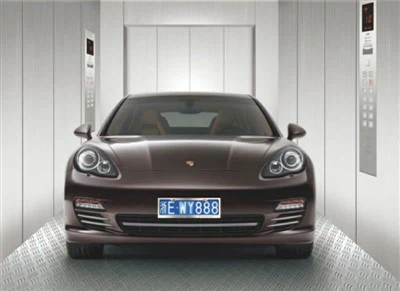
As a supplier of Villa Elevators, I often get asked by customers about the maintenance frequency of these elevators. It's a crucial question because proper maintenance not only ensures the safety and smooth operation of the elevator but also extends its lifespan. In this blog, I'll delve into the factors that influence the maintenance frequency of villa elevators and provide some general guidelines.
Factors Affecting Maintenance Frequency
Usage Intensity
The frequency of elevator use is one of the most significant factors determining how often maintenance is required. In a villa where the elevator is used only occasionally, say a few times a week, the wear and tear on its components will be relatively low. For example, in a vacation villa that is occupied only during weekends or holidays, the elevator might not need as frequent maintenance as one in a family home where it is used multiple times a day.
On the other hand, if the villa is a large family residence with multiple floors and the elevator is used by several family members regularly for daily activities like going to bedrooms, accessing the basement for storage, or moving heavy items, the elevator will experience more stress. Components such as the motor, cables, and doors will be subject to more frequent friction and movement, which can lead to faster deterioration. In such cases, more frequent maintenance is necessary to prevent breakdowns.
Environmental Conditions
The environment in which the villa elevator is installed also plays a vital role. Elevators installed in areas with high humidity, such as coastal regions, are more prone to corrosion. Moisture can cause rust on metal parts, including the elevator's frame, cables, and electrical components. This can weaken the structure and affect the performance of the elevator. In these environments, more frequent inspections and maintenance are required to check for signs of corrosion and take preventive measures, such as applying anti - rust coatings.
Similarly, if the villa is located in an area with extreme temperatures, either very hot or very cold, it can impact the elevator's operation. High temperatures can cause the lubricants in the elevator's mechanical parts to thin out, reducing their effectiveness and increasing friction. Cold temperatures, on the other hand, can make some materials brittle and more likely to crack. Elevators in such extreme environments need to be maintained more frequently to ensure that all components are functioning properly.
Elevator Type and Model
Different types and models of villa elevators have different maintenance requirements. For instance, Glass Home Elevator has unique features compared to traditional elevators. The glass panels need to be regularly cleaned and inspected for any cracks or scratches. The seals around the glass also need to be checked to prevent water or air leakage.
Villa Elevator models with advanced technology, such as smart control systems and energy - saving features, may have more complex electrical and software components. These components require specialized maintenance to ensure that the elevator functions optimally and that the software is up - to - date.
Indoor Residential Elevators are designed for indoor use and are typically protected from the elements to some extent. However, they still need regular maintenance to keep their interior finishes in good condition and to ensure the proper functioning of the control panels and other components.


General Maintenance Frequency Guidelines
Monthly Maintenance
Monthly maintenance is a good starting point for most villa elevators. During a monthly maintenance check, a technician should perform a visual inspection of the elevator's exterior and interior. This includes checking the condition of the doors, ensuring that they open and close smoothly, and that the safety sensors are working properly. The technician should also inspect the control panel for any error messages or signs of malfunction.
The lubrication of moving parts, such as the guide rails and the door mechanisms, should be checked and replenished if necessary. Additionally, the cables and ropes should be visually inspected for any signs of wear or fraying.
Quarterly Maintenance
Quarterly maintenance is more in - depth. In addition to the monthly checks, a technician will perform more detailed inspections of the elevator's mechanical and electrical systems. This may involve testing the elevator's safety brakes to ensure that they can stop the elevator in case of an emergency. The motor and its associated components will be checked for proper operation, including the alignment of the belts and the temperature of the motor.
The electrical connections will be inspected for any loose wires or signs of overheating. The elevator's ventilation system will also be checked to ensure that it is functioning properly, as proper ventilation is essential for preventing overheating of the electrical components.
Annual Maintenance
Annual maintenance is a comprehensive service that should be carried out by a professional elevator maintenance company. This includes a full - scale inspection of all components, including a detailed examination of the elevator's structure. The technician will perform load tests to ensure that the elevator can safely carry its rated capacity.
The elevator's control system will be thoroughly tested and calibrated. Any software updates will be installed to ensure that the elevator is operating with the latest safety and performance features. The entire elevator will be cleaned, including the interior cabin, the doors, and the machinery room.
Importance of Regular Maintenance
Regular maintenance of villa elevators is not just about preventing breakdowns; it's also about ensuring the safety of the users. Elevators are complex machines, and any malfunction can pose a serious risk to the people using them. By following a regular maintenance schedule, potential problems can be identified and addressed before they become major issues.
Moreover, regular maintenance can save money in the long run. Minor problems that are detected early can be fixed relatively inexpensively, whereas a major breakdown can result in costly repairs and downtime. A well - maintained elevator also has a longer lifespan, which means that the villa owner won't have to replace the elevator as frequently.
Contact Us for Purchase and Maintenance
If you're considering purchasing a villa elevator or need professional maintenance services for your existing elevator, we're here to help. Our team of experts has extensive experience in providing high - quality Villa Elevator solutions and maintenance services. We understand the unique requirements of villa elevators and can offer customized solutions based on your specific needs.
Don't hesitate to reach out to us for more information or to discuss your elevator needs. We're committed to providing you with the best products and services to ensure the safety and reliability of your villa elevator.
References
- ASME A17.1/CSA B44 Safety Code for Elevators and Escalators
- Elevator World Magazine, various issues on elevator maintenance and safety
- Manufacturer's manuals for different villa elevator models