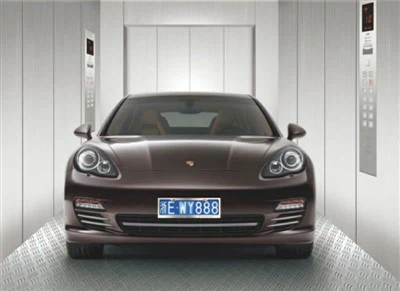
When it comes to the question of "How much does a dumbwaiter cost?", there isn't a one - size - fits - all answer. As a dumbwaiter supplier, I've encountered numerous clients with different needs and budgets, and I'll break down the factors that influence the cost of a dumbwaiter in this blog.
1. Size and Capacity
The size and capacity of a dumbwaiter are fundamental factors in determining its price. Smaller dumbwaiters, designed for light - duty tasks such as carrying small trays or a few dishes, are generally more affordable. For example, a dumbwaiter with a capacity of around 50 - 100 pounds and a small car size, perhaps 18 inches by 18 inches, can be on the lower end of the price spectrum. These are often suitable for small home kitchens or small offices where the load is minimal.
On the other hand, larger dumbwaiters with higher capacities, say 500 pounds or more, and bigger car dimensions, like 36 inches by 36 inches, will cost significantly more. These are commonly used in commercial settings such as large [Family Restaurant Elevator](/dumbwaiter/family - restaurant - elevator.html) or industrial facilities where heavy items need to be transported between floors. The materials required to build a larger and stronger dumbwaiter, along with the more powerful motor and advanced engineering, contribute to the increased cost.
2. Type of Dumbwaiter
There are different types of dumbwaiters, and each type has its own price range.
Manual Dumbwaiters
Manual dumbwaiters are the most basic type. They are operated by hand, usually with a pulley system. These are the least expensive option as they have a simple design and fewer components. However, they are limited in terms of capacity and convenience. They are often used in small residential buildings or very low - traffic areas where the cost is a major concern and the load requirements are not high.
Electric Dumbwaiters
Electric dumbwaiters are more popular, especially in commercial and larger residential settings. They are powered by electricity, which allows for smoother operation, higher speeds, and greater control. The cost of an electric dumbwaiter is higher than that of a manual one due to the motor, control system, and safety features. There are also different levels of electric dumbwaiters. Basic electric models with standard features are more affordable, while those with advanced features like variable speed controls, automatic door openers, and remote - control operation will be more expensive.
Hydraulic Dumbwaiters
Hydraulic dumbwaiters are known for their smooth and quiet operation. They use a hydraulic system to lift and lower the car. These are typically used in applications where precision and quietness are important, such as high - end restaurants or hospitals. However, they are also the most expensive type of dumbwaiter. The hydraulic system requires more complex installation and maintenance, and the components are more costly.
3. Installation Requirements
The cost of installing a dumbwaiter can vary widely depending on the building's structure and the complexity of the installation.
New Construction
If the dumbwaiter is being installed during new construction, the cost may be relatively lower. This is because the building can be designed to accommodate the dumbwaiter easily, and there is no need for extensive modifications. The builder can incorporate the shaft and other necessary elements into the building plans from the start.
Retrofitting
Retrofitting a dumbwaiter into an existing building is usually more expensive. It may involve cutting through floors, walls, and ceilings to create the shaft for the dumbwaiter. In some cases, structural reinforcement may be required to support the weight of the dumbwaiter. Additionally, there may be challenges in routing electrical or hydraulic lines, which can add to the cost. For example, in an old building with thick masonry walls, the installation process can be time - consuming and labor - intensive, driving up the overall cost.
4. Customization and Features
Customization is another factor that can significantly impact the cost of a dumbwaiter.
Standard Features
A basic dumbwaiter comes with standard features such as a simple control panel, safety brakes, and a basic door system. These are the essential features that ensure the safe and functional operation of the dumbwaiter.
Custom Features
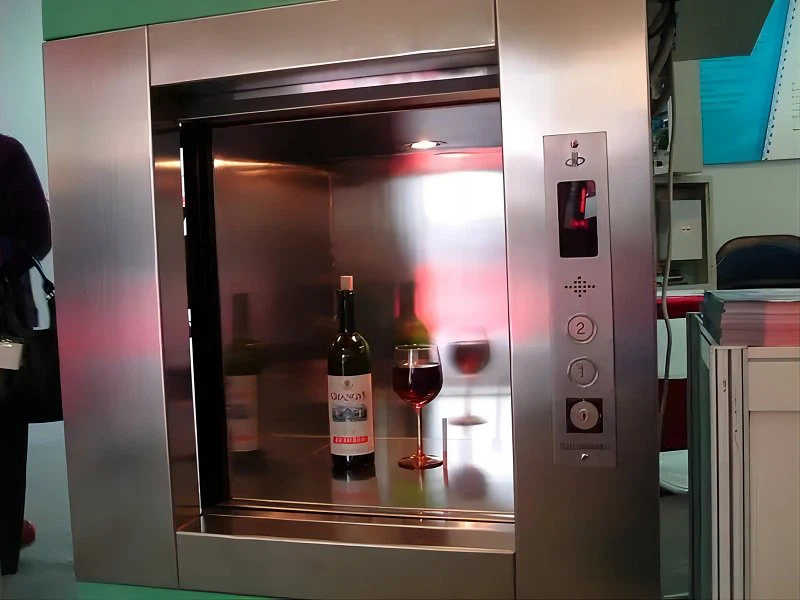
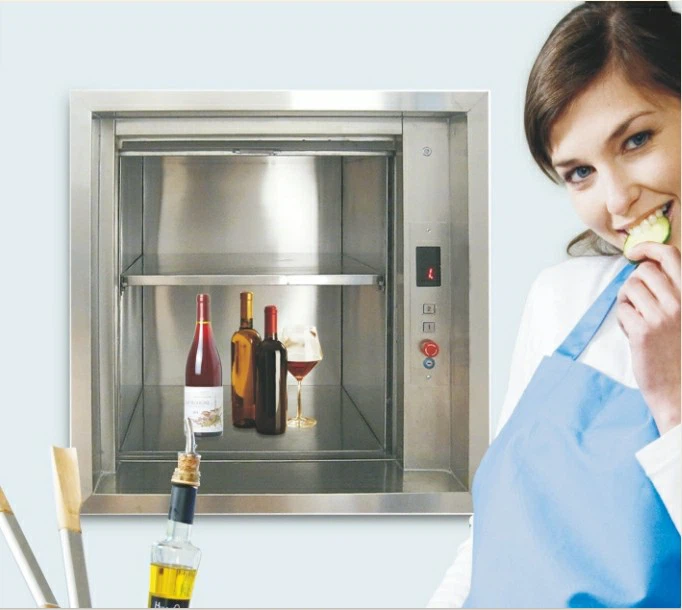
Clients often request custom features based on their specific needs. For example, in a [Restaurant Miscellaneous Elevator](/dumbwaiter/restaurant - miscellaneous - elevator.html), a client may want a dumbwaiter with a special finish to match the restaurant's decor, or they may require a custom - sized car to fit specific trays or equipment. Other custom features can include advanced safety features like emergency stop buttons on multiple floors, fire - resistant materials, or integration with the building's security system. Each of these custom features adds to the cost of the dumbwaiter.
5. Brand and Quality
The brand and quality of the dumbwaiter also play a role in determining the price. Well - known brands with a reputation for high - quality products and reliable customer service usually charge more for their dumbwaiters. These brands invest in research and development to improve the performance and safety of their products. They also use high - quality materials and components, which contribute to the longer lifespan and better functionality of the dumbwaiter.
In contrast, lesser - known brands or generic models may be more affordable but may not offer the same level of quality, durability, or after - sales support. It's important for customers to balance their budget with their need for a reliable and long - lasting dumbwaiter.
Cost Range
Based on the factors mentioned above, the cost of a dumbwaiter can range from a few thousand dollars to tens of thousands of dollars.
A basic manual dumbwaiter for a small home kitchen or office can cost around $2,000 - $5,000, including installation. This is a cost - effective option for those on a tight budget.
An electric dumbwaiter for a small commercial establishment, such as a small diner, with standard features and a moderate capacity can cost between $5,000 - $15,000. This price includes installation and basic setup.
For larger commercial applications, such as a big restaurant or a multi - story office building, a high - capacity electric or hydraulic dumbwaiter with custom features can cost $15,000 - $30,000 or more. The installation cost for these larger and more complex systems can also be a significant portion of the total cost.
Conclusion
As you can see, the cost of a dumbwaiter is influenced by multiple factors, including size, type, installation requirements, customization, and brand. When considering purchasing a dumbwaiter, it's important to carefully evaluate your needs and budget. As a dumbwaiter supplier, I'm here to help you find the best solution for your specific situation. Whether you're looking for a simple and affordable option for your home or a high - end, customized dumbwaiter for your commercial establishment, we can provide you with a range of choices.
If you're interested in purchasing a dumbwaiter or would like more information about our products and services, please feel free to contact us for a detailed quote and to discuss your requirements. We're committed to providing you with the best dumbwaiter solutions at a competitive price.
References
- Industry standards for dumbwaiter design and installation.
- Market research on dumbwaiter prices and features.