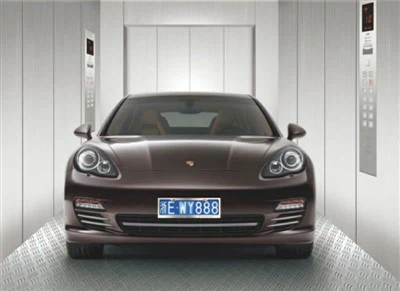
A car freight elevator is a specialized piece of equipment designed to transport vehicles between different levels of a building or structure. As a leading supplier of [Car Freight Elevator], I am often asked about how these elevators work. In this blog post, I will provide a detailed explanation of the working principles of a car freight elevator, shedding light on the technology and mechanisms that make it an essential tool for various industries.
Basic Components of a Car Freight Elevator
Before delving into the working process, it is crucial to understand the key components of a car freight elevator. These components work in harmony to ensure the safe and efficient transportation of vehicles.
1. Elevator Shaft
The elevator shaft is a vertical passageway that houses the elevator car and its associated components. It is typically constructed with strong materials such as steel or concrete to provide structural support and safety. The shaft is designed to withstand the weight of the elevator car, the vehicles it carries, and any external forces.
2. Elevator Car
The elevator car is the compartment that transports the vehicles. It is designed to accommodate different types and sizes of cars, trucks, or other vehicles. The car is equipped with doors that open and close to allow vehicles to enter and exit. Inside the car, there are usually ramps or platforms to facilitate the loading and unloading of vehicles.
3. Counterweight
A counterweight is a heavy mass that is connected to the elevator car by a system of ropes or cables. The purpose of the counterweight is to balance the weight of the elevator car and the vehicles it carries. By reducing the amount of energy required to move the car, the counterweight improves the efficiency of the elevator system.
4. Hoisting Machine
The hoisting machine is the power source of the elevator. It consists of an electric motor, a gearbox, and a drum or pulley system. The hoisting machine is responsible for lifting and lowering the elevator car by winding or unwinding the ropes or cables that connect the car to the counterweight.
5. Control System
The control system is the brain of the elevator. It manages the operation of the elevator, including starting, stopping, and leveling the car at each floor. The control system also monitors the safety features of the elevator, such as door interlocks, emergency brakes, and overload sensors.
Working Process of a Car Freight Elevator
Now that we have a basic understanding of the components, let's explore the working process of a car freight elevator.
1. Vehicle Loading
When a vehicle needs to be transported, it is driven onto the elevator car through the open doors. The ramps or platforms inside the car are designed to provide a smooth and safe transition for the vehicle. Once the vehicle is securely positioned inside the car, the doors are closed.
2. Call for Service
The user can call the elevator to a specific floor by pressing a button on the control panel located outside the elevator shaft. The control system receives the call and determines the most efficient route for the elevator to reach the desired floor.
3. Hoisting and Lowering
Once the call is received, the hoisting machine is activated. The electric motor drives the gearbox, which in turn rotates the drum or pulley system. As the drum or pulley rotates, the ropes or cables are wound or unwound, causing the elevator car to move up or down the shaft. The counterweight moves in the opposite direction of the elevator car, balancing the weight and reducing the energy consumption.


4. Leveling
As the elevator car approaches the desired floor, the control system activates the leveling mechanism. The leveling mechanism ensures that the car stops at the exact height of the floor, allowing for easy loading and unloading of the vehicle. This is achieved through the use of sensors and precision control algorithms.
5. Vehicle Unloading
Once the elevator car has reached the desired floor and is leveled, the doors are opened. The vehicle can then be driven off the elevator car onto the floor. After the vehicle has been unloaded, the doors are closed, and the elevator is ready for the next call.
Safety Features of a Car Freight Elevator
Safety is of utmost importance in the design and operation of a car freight elevator. Here are some of the key safety features that are commonly found in these elevators:
1. Door Interlocks
Door interlocks are devices that prevent the elevator car from moving when the doors are open. They ensure that the doors are securely closed before the elevator can start moving, reducing the risk of accidents.
2. Emergency Brakes
Emergency brakes are designed to stop the elevator car in case of an emergency, such as a power failure or a mechanical malfunction. They are activated automatically when a problem is detected, providing an additional layer of safety.
3. Overload Sensors
Overload sensors are used to detect when the elevator car is carrying more weight than it is designed to handle. If an overload is detected, the elevator will not operate until the excess weight is removed, preventing damage to the elevator and ensuring the safety of the passengers and vehicles.
4. Fire Protection
Car freight elevators are often equipped with fire protection systems, such as fire-resistant doors and sprinklers. These systems help to prevent the spread of fire and smoke in the event of a fire, protecting the elevator and the building.
Applications of Car Freight Elevators
Car freight elevators are used in a variety of applications, including:
1. Parking Garages
In multi-level parking garages, car freight elevators are used to transport vehicles between different floors. This allows for more efficient use of space and reduces the need for ramps, which can take up a significant amount of space.
2. Automotive Dealerships
Automotive dealerships use car freight elevators to move vehicles between different levels of their showrooms or storage facilities. This makes it easier to display and access a large number of vehicles.
3. Car Washes
Car washes often use car freight elevators to transport vehicles from the ground level to the upper levels of the wash facility. This allows for a more streamlined and efficient operation.
4. Industrial Facilities
In industrial facilities, car freight elevators are used to transport heavy equipment and vehicles between different floors or areas of the facility. This helps to improve productivity and reduce the time and effort required to move large items.
Conclusion
In conclusion, a car freight elevator is a complex and sophisticated piece of equipment that plays a vital role in various industries. By understanding how these elevators work, you can appreciate the technology and engineering behind them. As a [Car Freight Elevator] supplier, we are committed to providing high-quality elevators that are safe, reliable, and efficient. If you are interested in purchasing a car freight elevator for your business, please visit our website Car Freight Elevator or Car Elevator Commercial to learn more about our products and services. We look forward to the opportunity to discuss your specific needs and provide you with a customized solution.
References
- Elevator Handbook, Third Edition, by Andreas K. Sinfield
- Understanding Elevators, Escalators, and Moving Walks, by William W. Strakosch