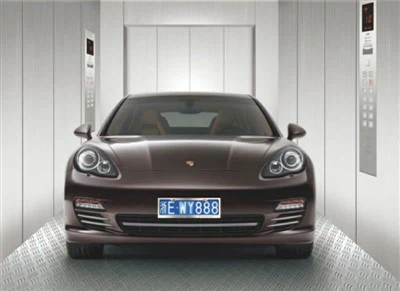
As a supplier of car elevators, I've encountered a wide range of issues with these essential pieces of equipment. Car elevators are crucial for various settings, from commercial parking garages to private car storage facilities. Troubleshooting common problems efficiently is not only important for maintaining the functionality of the elevator but also for ensuring the safety of the users. In this blog, I'll share some insights on how to troubleshoot common problems with a car elevator.
Power - Related Issues
One of the most common problems with car elevators is power - related issues. A lack of power can prevent the elevator from operating altogether. The first step in troubleshooting power problems is to check the main power supply. Ensure that the circuit breaker for the elevator has not tripped. If it has, reset it carefully. However, if the breaker trips again immediately, there may be a short - circuit in the system.
Inspect the power cables for any signs of damage, such as fraying or cuts. Damaged cables can cause power disruptions. In some cases, loose connections at the power source or within the elevator control panel can also lead to power problems. Tighten any loose terminals using appropriate tools, but always make sure to follow safety procedures and turn off the power before doing so.
If the power supply seems fine, but the elevator still doesn't work, it could be an issue with the elevator's internal power control system. This might require a more in - depth inspection by a professional technician. The control board, which manages the power distribution within the elevator, could be malfunctioning. Faulty relays or capacitors on the control board can disrupt the normal flow of power and cause the elevator to stop working. You can visit Car Elevator Commercial for more information on the power systems used in commercial car elevators.


Mechanical Problems
Mechanical problems are another frequent concern with car elevators. One of the most obvious mechanical issues is abnormal noise during operation. Grinding, screeching, or rattling noises can indicate problems with the elevator's moving parts. For example, worn - out bearings in the motor or the pulley system can produce a grinding noise.
To troubleshoot bearing problems, listen carefully to the source of the noise. If it seems to be coming from the motor area, the motor bearings might need to be replaced. This is a task that should be carried out by a trained technician, as it involves disassembling the motor. For the pulley system, check the belts or chains for proper tension. Loose belts can cause slipping and abnormal noises, while overly tight belts can put excessive stress on the bearings and other components.
Another mechanical problem is the uneven movement of the elevator platform. This could be due to misaligned guide rails. The guide rails are essential for keeping the elevator platform in a straight and stable path. Over time, the rails can become misaligned due to wear and tear, or if the building structure shifts slightly. To check for misalignment, you can use a straightedge and a level. If misalignment is detected, it will need to be corrected by adjusting the mounting brackets of the guide rails.
In some cases, the elevator may get stuck between floors. This can be caused by a mechanical blockage, such as debris or a foreign object in the hoistway. Inspect the hoistway thoroughly for any obstructions and remove them carefully. The Car Freight Elevator page provides detailed information on the mechanical components of freight - type car elevators, which can be helpful in understanding and troubleshooting similar issues.
Electrical Control System Malfunctions
The electrical control system of a car elevator is complex and plays a vital role in its operation. One common problem is incorrect floor leveling. When the elevator stops at a floor, it should be level with the landing. If it is not, it can be dangerous for cars to enter or exit the elevator. This issue can be caused by faulty sensors in the control system.
The sensors are responsible for detecting the position of the elevator platform and sending signals to the control board to stop the elevator at the correct floor. Check the sensors for any signs of damage or misalignment. Clean the sensor lenses if they are dirty, as dirt can interfere with the sensor's ability to detect the elevator's position accurately.
Another electrical control system problem is unresponsive buttons. Whether it's the call buttons on the landing or the control buttons inside the elevator, non - functioning buttons can be frustrating. First, check the wiring connections to the buttons. Loose or damaged wires can prevent the buttons from sending signals to the control board. If the wiring is fine, the buttons themselves may be defective and need to be replaced.
Software glitches can also occur in the elevator's control system. Modern car elevators often use advanced software to manage their operations. If the software malfunctions, it can cause erratic behavior, such as the elevator skipping floors or not responding to commands. In such cases, it may be necessary to reset the software or update it to the latest version. However, software - related troubleshooting should be done by technicians who are familiar with the specific elevator control system.
Hydraulic System Issues (for Hydraulic Car Elevators)
Hydraulic car elevators rely on a hydraulic system to lift and lower the elevator platform. One of the most common problems with hydraulic systems is fluid leaks. Check the hydraulic cylinders, hoses, and fittings for any signs of fluid leakage. A leak can cause a loss of pressure in the system, which will affect the elevator's lifting capacity and smooth operation.
If a leak is detected, identify the source of the leak. Small leaks in the hoses can sometimes be repaired by replacing the damaged section of the hose. For leaks in the cylinders or fittings, it may be necessary to replace the faulty component. Always use the correct type of hydraulic fluid when refilling the system, as using the wrong fluid can damage the hydraulic components.
Another issue with hydraulic systems is slow or jerky movement. This can be caused by air in the hydraulic lines. To remove air from the lines, a process called bleeding is required. This involves opening the bleed valves at specific points in the hydraulic system to allow the air to escape. It's important to follow the manufacturer's instructions when bleeding the hydraulic system to ensure proper operation.
Preventive Maintenance and Troubleshooting Tips
To minimize the occurrence of common problems, regular preventive maintenance is essential. Create a maintenance schedule and follow it strictly. This should include tasks such as lubricating moving parts, checking electrical connections, and inspecting the overall condition of the elevator.
Keep a log of all maintenance activities and any problems that occur. This log can be very useful for tracking the history of the elevator's performance and for identifying recurring issues. Train your staff or operators on basic troubleshooting procedures. They can often detect early signs of problems and take appropriate action before the situation worsens.
If you encounter a problem that you are unable to troubleshoot on your own, don't hesitate to contact a professional elevator service provider. They have the expertise and specialized tools to diagnose and repair complex issues safely and efficiently.
Contact for Purchase and Troubleshooting Support
If you are in the market for a new car elevator or need further assistance with troubleshooting your existing car elevator, we are here to help. Our team of experts can provide you with detailed information on our products, including Car Elevator Commercial and Car Freight Elevator. We can also offer support in selecting the right elevator for your specific needs and provide guidance on maintenance and troubleshooting. Reach out to us for a consultation and let us help you ensure the smooth operation of your car elevator.
References
- "Elevator Maintenance and Troubleshooting Guide" - Industry - specific publication
- Manufacturer's manuals for various car elevator models
- Professional elevator technician training materials