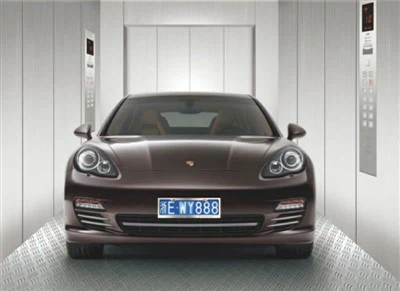
When it comes to enhancing the functionality and convenience of your building, selecting the right car elevator is a crucial decision. As a seasoned car elevator supplier, I've witnessed firsthand the transformative impact that a well - chosen car elevator can have on a building's operations and value. In this blog, I'll guide you through the key factors to consider when making this important choice.
Understanding Your Building's Requirements
The first step in choosing the right car elevator is to thoroughly understand your building's specific requirements. Consider the building's purpose, whether it's a commercial complex, a residential high - rise, or an industrial facility. Each type of building has different demands for a car elevator.
For commercial buildings, such as shopping malls or office towers, high - traffic flow is a common characteristic. You need an elevator that can handle a large number of cars in a short period. The Car Elevator Commercial option is often a great fit here. These elevators are designed with high - speed operation and efficient traffic management in mind. They can quickly move cars between different floors, reducing waiting times and improving the overall user experience.
In a residential building, the focus might be more on comfort, safety, and aesthetics. Homeowners and residents expect a smooth and quiet ride. The elevator should blend in with the building's interior design. Additionally, the frequency of use might be lower compared to commercial buildings, but reliability is still of utmost importance.
Industrial facilities, on the other hand, often require car elevators that can handle heavy - duty loads. The Car Freight Elevator is specifically designed for such scenarios. These elevators are built to carry large and heavy vehicles, such as trucks or construction equipment. They have robust structures and powerful motors to ensure stable and safe transportation.
Capacity and Size
Another critical factor is the capacity and size of the car elevator. The capacity is determined by the maximum weight and the number of cars the elevator can carry at once. You need to consider the types of vehicles that will use the elevator. If it's a parking garage in a city center, you might need to accommodate a variety of cars, including SUVs and luxury sedans.
Measure the dimensions of the largest vehicle that is likely to use the elevator. This includes the length, width, and height. The elevator shaft and the car itself should be large enough to comfortably fit the vehicle with some extra space for easy maneuvering. A too - small elevator can lead to damage to the vehicles and cause inconvenience to the users.
Safety Features
Safety is non - negotiable when it comes to car elevators. Look for elevators that are equipped with a comprehensive set of safety features. Overload protection is essential to prevent the elevator from operating when it exceeds its maximum capacity. This helps to avoid mechanical failures and potential accidents.
Emergency stop buttons should be easily accessible inside the elevator car and at the landing stations. In case of an emergency, users can quickly stop the elevator to prevent further harm. Additionally, door interlocks ensure that the elevator doors remain closed during operation, preventing passengers or vehicles from accidentally falling out.
Some advanced car elevators also come with anti - fall devices and emergency power backup systems. The anti - fall device activates in case of a sudden cable breakage, stopping the elevator car from free - falling. The emergency power backup system allows the elevator to reach the nearest floor and open the doors in case of a power outage, ensuring the safety of the occupants.
Energy Efficiency
In today's environmentally conscious world, energy efficiency is an important consideration. An energy - efficient car elevator can significantly reduce your building's operating costs over time. Look for elevators with regenerative drive systems. These systems convert the energy generated during the elevator's descent into electricity, which can be reused in the building.
LED lighting inside the elevator car also helps to save energy. Compared to traditional incandescent bulbs, LEDs consume less power and have a longer lifespan. Additionally, proper insulation of the elevator shaft can reduce heat transfer, which in turn reduces the energy required for heating or cooling the elevator car.
Maintenance and Service
Regular maintenance is crucial to keep the car elevator in optimal working condition. Choose an elevator supplier that offers a comprehensive maintenance service. A well - maintained elevator has a longer lifespan and is less likely to experience breakdowns.
The supplier should have a team of trained technicians who can quickly respond to any issues. They should also provide regular inspections and preventive maintenance to identify and fix potential problems before they become serious. Ask about the availability of spare parts. A supplier with a large inventory of spare parts can minimize the downtime of the elevator in case of a repair.
Cost Considerations
Cost is always a factor when making a purchasing decision. However, it's important to look beyond the initial purchase price. Consider the total cost of ownership, which includes the purchase price, installation costs, maintenance costs, and energy consumption over the elevator's lifespan.
A cheaper elevator might seem like a good deal at first, but it could end up costing more in the long run due to higher maintenance requirements and energy consumption. On the other hand, a high - end elevator with advanced features might have a higher upfront cost but can save you money in the long term through energy savings and lower maintenance costs.
Aesthetics and Design
The appearance of the car elevator should also match the overall design of your building. The elevator car's interior can be customized to fit the building's style. You can choose from a variety of finishes, such as stainless steel, wood, or glass. The control panel and the landing station should also be designed in a way that is user - friendly and visually appealing.
Installation and Space Requirements
Before installing a car elevator, you need to ensure that your building has enough space for the elevator shaft and the machinery. The installation process can be complex and time - consuming, so it's important to work with a supplier that has experience in installing car elevators in different types of buildings.
The supplier should conduct a detailed site survey to determine the feasibility of the installation. They should also provide you with a clear installation schedule and communicate any potential disruptions to your building's operations during the installation process.


Technology and Innovation
The elevator industry is constantly evolving, and new technologies are being introduced all the time. Look for a car elevator that incorporates the latest technological advancements. For example, some elevators now use smart control systems that can optimize the elevator's operation based on traffic patterns. This can improve the efficiency of the elevator and reduce waiting times.
Remote monitoring technology allows the elevator supplier to monitor the elevator's performance in real - time. They can detect potential problems early and schedule maintenance before a breakdown occurs. This proactive approach to maintenance can save you time and money.
Reputation and References
Finally, consider the reputation of the elevator supplier. Look for a supplier with a proven track record in the industry. You can check online reviews and ask for references from other building owners who have installed car elevators from the same supplier.
A reputable supplier will stand behind their products and services. They will provide you with high - quality elevators and excellent customer support. By choosing a reliable supplier, you can have peace of mind knowing that you're making a wise investment in your building.
In conclusion, choosing the right car elevator for your building is a complex but important decision. By considering the factors mentioned above, you can select an elevator that meets your building's specific requirements, provides a high level of safety and comfort, and is cost - effective in the long run. If you're interested in learning more about our car elevator solutions or would like to discuss your specific needs, please don't hesitate to contact us for a purchasing consultation. We're here to help you make the best choice for your building.
References
- Elevator World Magazine
- National Elevator Industry, Inc. (NEII) Guidelines
- Safety Standards for Elevators and Escalators by the American Society of Mechanical Engineers (ASME)