As a supplier of Mini Home Elevators, I often receive inquiries from homeowners interested in adding this convenient feature to their homes. One of the most common questions I encounter is, "How do I know if my home's structure can support a mini home elevator?" This is a crucial question, as installing an elevator in a home requires careful consideration of the building's structural integrity. In this blog post, I'll share some insights on how to assess whether your home can accommodate a mini home elevator.
Understanding the Basics of Home Elevator Installation
Before diving into the assessment process, it's important to understand the basic requirements for installing a mini home elevator. Elevators, even small ones, need a stable and secure foundation to operate safely. The weight of the elevator car, passengers, and machinery must be supported by the building's structure without causing excessive stress or damage.
Most mini home elevators are designed to fit into existing homes, but they still require specific conditions to be met. These include having enough vertical space for the elevator shaft, adequate floor space for the elevator car, and a suitable location for the machinery and control systems. Additionally, the building's electrical system must be able to handle the power requirements of the elevator.
Assessing Your Home's Structural Capacity
1. Consult with a Structural Engineer
The first and most reliable step in determining if your home can support a mini home elevator is to consult with a qualified structural engineer. A structural engineer has the expertise and knowledge to evaluate your home's foundation, floors, walls, and roof to determine their load - bearing capacity. They will conduct a thorough inspection of your home, taking into account factors such as the type of construction materials used, the age of the building, and any previous structural modifications.
The engineer will create a detailed report that outlines the structural integrity of your home and whether it can support the additional weight and stress of an elevator. They may also provide recommendations on any necessary structural reinforcements or modifications to ensure the safe installation of the elevator.
2. Evaluate the Foundation
The foundation is the most critical component of a building's structure when it comes to supporting an elevator. A strong and stable foundation is essential to prevent settlement or movement that could damage the elevator or the building itself. There are several types of foundations, including slab - on - grade, crawl space, and basement foundations.
Slab - on - grade foundations are common in many homes, especially in warmer climates. These foundations are generally less expensive to construct but may require additional reinforcement to support an elevator. Crawl space and basement foundations provide more space for the elevator shaft and machinery, but they also need to be structurally sound.
The structural engineer will assess the foundation's condition, looking for signs of cracks, settlement, or water damage. They may also conduct soil tests to determine the soil's bearing capacity, which is crucial for calculating the foundation's ability to support the elevator.
3. Check the Floor Joists and Beams
The floor joists and beams in your home play a significant role in supporting the weight of the elevator. These structural elements must be strong enough to carry the load without excessive deflection or sagging. The engineer will measure the size, spacing, and condition of the floor joists and beams to determine their load - bearing capacity.
If the existing floor joists and beams are not strong enough, the engineer may recommend adding additional support, such as sistering joists or installing new beams. In some cases, it may be necessary to reinforce the entire floor structure to ensure the safe operation of the elevator.
4. Consider the Wall and Column Support
Walls and columns also contribute to the overall structural support of a building. When installing an elevator, it's important to ensure that the walls and columns adjacent to the elevator shaft can withstand the additional forces. The engineer will evaluate the construction of the walls, including the type of framing and the materials used.
Load - bearing walls are especially important, as they transfer the weight of the upper floors and the roof to the foundation. If the elevator is located near a load - bearing wall, the engineer may need to determine if any modifications are necessary to maintain the wall's structural integrity.
Types of Mini Home Elevators and Their Structural Requirements
1. Glass Home Elevator
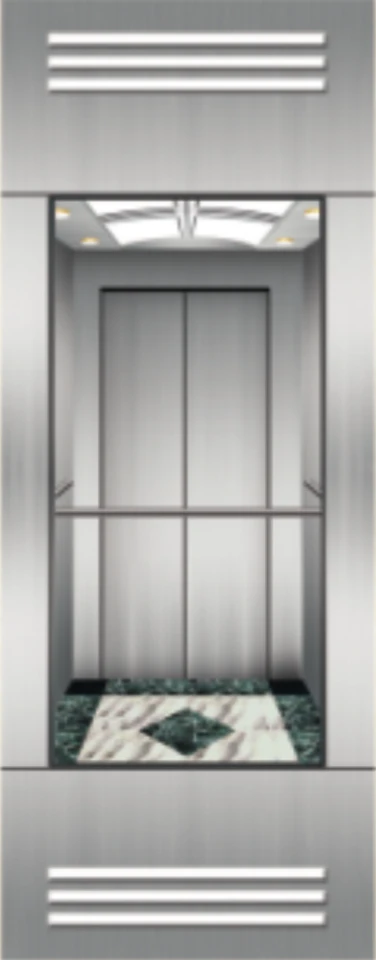
Glass Home Elevator are a popular choice for many homeowners due to their modern and stylish appearance. These elevators typically have a more open design, which can add a sense of spaciousness to the home. However, they also have specific structural requirements.

Glass elevators often require a strong and stable frame to support the glass panels. The frame must be able to withstand the weight of the glass and any additional forces exerted during operation. Additionally, the installation of a glass elevator may require more precise alignment and leveling to ensure the safety and functionality of the elevator.
2. Outdoor Home Elevator
Outdoor Home Elevator are designed to be installed outside the home, providing access to different levels of a property. These elevators need to be able to withstand the elements, such as wind, rain, and extreme temperatures.
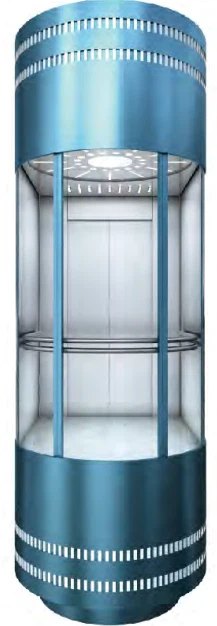
The structural requirements for outdoor elevators are similar to those of indoor elevators, but they also need to be anchored securely to the ground or the building to prevent movement during high winds or other weather events. The foundation for an outdoor elevator may need to be more robust to account for the exposure to the elements.
Other Factors to Consider
1. Building Codes and Regulations
Before installing a mini home elevator, it's important to check the local building codes and regulations. These codes specify the minimum requirements for elevator installation, including structural, electrical, and safety standards. Failure to comply with these codes can result in fines or the elevator being deemed unsafe for use.
2. Space Availability
In addition to structural considerations, you also need to have enough space in your home for the elevator. The elevator car, shaft, and machinery require a certain amount of floor and vertical space. You'll need to measure the available space carefully to ensure that the elevator can be installed without causing any obstruction or interference with other parts of the home.
Conclusion
Determining whether your home's structure can support a mini home elevator is a complex process that requires careful assessment by a qualified professional. By consulting with a structural engineer, evaluating your home's foundation, floor joists, walls, and columns, and considering the specific requirements of the elevator type, you can make an informed decision about whether an elevator is a viable option for your home.
If you're interested in learning more about our Mini Home Elevators or have questions about the installation process, please feel free to contact us for a consultation. We're here to help you find the perfect elevator solution for your home.
References
- "Residential Elevator Installation Guide," National Association of Home Builders.
- "Structural Design of Buildings," American Society of Civil Engineers.
- "Building Codes and Regulations for Home Elevators," International Code Council.