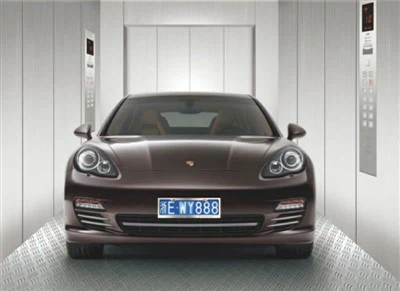
Do car elevators require special electrical systems? That's a question I get asked a lot as a car elevator supplier. In this blog post, I'm gonna break down the ins and outs of car elevator electrical systems, explain why they might need something special, and give you the lowdown on what to consider.
Let's start with the basics. A car elevator is not your average elevator. It's designed to lift heavy vehicles, which means it has different requirements compared to a standard passenger elevator. The weight and size of cars place unique demands on the elevator's components, including the electrical system.
First off, power capacity is a major factor. Cars are heavy, and moving them up and down requires a significant amount of energy. A standard electrical system might not be able to handle the load. For instance, a typical passenger elevator might use a motor with a power rating of a few kilowatts. But a car elevator, especially one designed for larger vehicles like SUVs or trucks, could need a motor that's several times more powerful. This means the electrical system has to be able to supply enough power to start, run, and stop the elevator smoothly.
Another aspect is safety. Car elevators need to have robust safety features, and many of these are controlled by the electrical system. For example, emergency stop buttons, door interlocks, and overload protection all rely on electricity to function properly. These safety mechanisms need to be reliable and fail - safe. A special electrical system can be designed to ensure that these safety features work consistently, even in the event of a power surge or other electrical issues.
Let's talk about control systems. Car elevators often have more complex control requirements than regular elevators. They need to be able to handle different types of vehicles, adjust the lifting speed based on the load, and communicate with other building systems in some cases. A special electrical control system can be programmed to manage these functions effectively. It can use sensors to detect the weight and position of the vehicle, and then adjust the elevator's operation accordingly.


Now, let's get into the types of special electrical systems that car elevators might need. One option is a high - voltage electrical system. High - voltage systems can deliver more power more efficiently, which is great for large car elevators. However, they also come with their own set of challenges. They require special wiring, transformers, and safety equipment to ensure that they operate safely.
Another consideration is the use of variable frequency drives (VFDs). VFDs are devices that can control the speed and torque of an electric motor. In a car elevator, a VFD can be used to adjust the lifting speed based on the weight of the vehicle. This not only improves energy efficiency but also provides a smoother ride. For example, when lifting a light car, the elevator can operate at a higher speed, while for a heavier vehicle, it can slow down to ensure stability.
When it comes to installation, a special electrical system for a car elevator requires professional expertise. Electricians need to be familiar with the specific requirements of car elevators and follow strict safety codes. They have to ensure that the wiring is properly sized, the grounding is correct, and all the components are installed and connected correctly.
If you're in the market for a car elevator, it's important to consider the electrical requirements from the start. You don't want to end up with an elevator that doesn't work properly because the electrical system can't support it. And that's where we come in. As a car elevator supplier, we have the knowledge and experience to help you choose the right electrical system for your needs.
We offer a range of car elevators, including Car Freight Elevator and Car Elevator Commercial. Our team can work with you to assess your requirements, design a suitable electrical system, and ensure a smooth installation process.
Whether you're building a new parking garage, a commercial building with a car elevator, or just looking to upgrade your existing elevator, we're here to help. We understand that every project is different, and we'll customize our solutions to meet your specific needs.
If you're interested in learning more about our car elevators and the electrical systems they require, don't hesitate to reach out. We're always happy to have a chat, answer your questions, and provide you with a quote. Let's work together to get you the perfect car elevator for your project.
References
- Elevator Handbook, Third Edition by A. Wayne Moore
- Electrical Safety Standards for Industrial Equipment, National Fire Protection Association