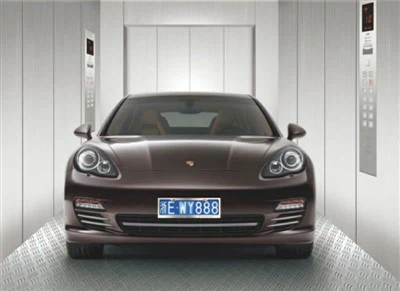
As a supplier of MR Hospital Elevator, I often encounter various questions from hospital administrators, medical staff, and patients regarding the usage of elevators in MR hospitals. One of the most frequently asked questions is, "Can I take a stretcher in the elevators of MR Hospital?" In this blog post, I will delve into this question, providing a comprehensive answer based on scientific knowledge and industry standards.
Understanding the Requirements of MR Hospitals
Magnetic Resonance (MR) hospitals are specialized medical facilities equipped with advanced MR imaging technology. These hospitals require strict control of the electromagnetic environment to ensure the accuracy and safety of MR imaging. Elevators in MR hospitals must be designed and installed to meet specific electromagnetic compatibility (EMC) requirements to prevent interference with MR equipment.
In addition to EMC requirements, MR hospital elevators must also be designed to accommodate the transportation of stretchers, wheelchairs, and other medical equipment. These elevators typically have larger car sizes and wider doors to facilitate the easy movement of stretchers and other medical devices.
Stretcher Compatibility in MR Hospital Elevators
The answer to the question "Can I take a stretcher in the elevators of MR Hospital?" is generally yes. However, there are several factors to consider to ensure the safe and efficient transportation of stretchers in MR hospital elevators.


Elevator Size and Dimensions
MR hospital elevators are designed to accommodate stretchers of various sizes. The minimum car size for a stretcher elevator in a hospital is typically determined by local building codes and standards. In general, the car size should be large enough to allow a stretcher to be loaded and unloaded easily without hitting the walls or doors of the elevator.
Most MR hospital elevators have a car size of at least 1.4 meters wide and 2.1 meters deep, which is sufficient to accommodate a standard hospital stretcher. However, some hospitals may require larger elevators to accommodate specialized stretchers or equipment.
Door Width and Clearance
The width of the elevator doors is another important factor to consider when transporting stretchers. The doors should be wide enough to allow a stretcher to pass through easily without getting stuck. In addition, there should be sufficient clearance between the stretcher and the door jamb to prevent damage to the stretcher or the elevator.
Most MR hospital elevators have a door width of at least 0.9 meters, which is sufficient to accommodate a standard hospital stretcher. However, some hospitals may require wider doors to accommodate specialized stretchers or equipment.
Weight Capacity
The weight capacity of the elevator is also an important consideration when transporting stretchers. A standard hospital stretcher with a patient can weigh up to 500 kilograms or more, depending on the patient's size and the type of equipment on the stretcher. Therefore, the elevator must have a sufficient weight capacity to safely transport the stretcher and its occupants.
Most MR hospital elevators have a weight capacity of at least 1600 kilograms, which is sufficient to accommodate a standard hospital stretcher with a patient and some medical equipment. However, some hospitals may require elevators with a higher weight capacity to accommodate larger patients or specialized equipment.
Safety Features
MR hospital elevators are equipped with a variety of safety features to ensure the safe transportation of stretchers and passengers. These safety features include emergency stop buttons, door sensors, and overload protection.
Emergency stop buttons are located inside the elevator car and in the elevator lobby. In case of an emergency, the elevator can be stopped immediately by pressing the emergency stop button.
Door sensors are installed on the elevator doors to detect any obstruction in the door opening. If an obstruction is detected, the doors will automatically stop closing and reopen to prevent injury to passengers or damage to the stretcher.
Overload protection is a safety feature that prevents the elevator from operating if the weight inside the car exceeds the rated capacity. If the elevator is overloaded, the doors will not close, and an alarm will sound to alert the passengers.
Benefits of Using Specialized MR Hospital Elevators
Using specialized MR Hospital Elevator offers several benefits for hospitals and patients.
Improved Safety
Specialized MR hospital elevators are designed to meet the specific safety requirements of MR hospitals. These elevators are equipped with advanced safety features, such as electromagnetic shielding, to prevent interference with MR equipment. In addition, the elevators are designed to accommodate stretchers and other medical equipment, reducing the risk of accidents and injuries during transportation.
Enhanced Efficiency
Specialized MR hospital elevators are designed to optimize the flow of patients and medical equipment within the hospital. These elevators have larger car sizes and wider doors, allowing for the easy loading and unloading of stretchers and other medical devices. In addition, the elevators are equipped with advanced control systems that can optimize the elevator's operation, reducing waiting times and improving overall efficiency.
Compliance with Regulations
Using specialized MR hospital elevators ensures compliance with local building codes and regulations. These elevators are designed and installed to meet the specific requirements of MR hospitals, including electromagnetic compatibility, fire safety, and accessibility.
Different Types of MR Hospital Elevators
There are several types of MR hospital elevators available on the market, each designed to meet the specific needs of different hospitals.
MRL Hospital Elevator
Machine Room - Less (MRL) hospital elevators are a popular choice for MR hospitals. These elevators do not require a separate machine room, which saves space and reduces construction costs. MRL elevators are also more energy - efficient than traditional elevators, making them a more sustainable option.
SMR Hospital Elevator
Small Machine Room (SMR) hospital elevators are another option for MR hospitals. These elevators have a smaller machine room compared to traditional elevators, which also saves space. SMR elevators offer a good balance between space savings and performance.
Conclusion
In conclusion, it is generally possible to take a stretcher in the elevators of MR hospitals. However, it is important to ensure that the elevator is designed and installed to meet the specific requirements of MR hospitals, including size, weight capacity, and safety features. Using specialized MR hospital elevators, such as MR Hospital Elevator, MRL Hospital Elevator, or SMR Hospital Elevator, can provide improved safety, enhanced efficiency, and compliance with regulations.
If you are a hospital administrator or procurement officer interested in purchasing MR hospital elevators, I encourage you to contact us for more information. Our team of experts can help you select the right elevator for your hospital's specific needs and ensure a smooth installation and operation process.
References
- Building codes and standards related to hospital elevators.
- Manufacturer's specifications for MR hospital elevators.
- Industry research on the design and operation of hospital elevators.