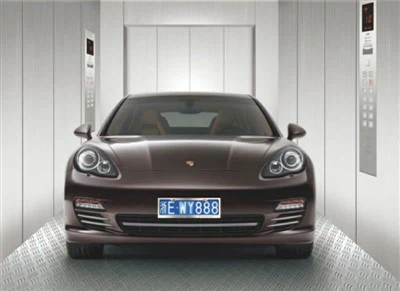
As a supplier of MR Passenger Elevators, I often encounter inquiries regarding the use of noise - insulation materials in our elevators. In this blog, I will delve into the topic to provide you with a comprehensive understanding of the noise - insulation solutions employed in MR Passenger Elevators.
Understanding MR Passenger Elevators
Before we discuss noise - insulation materials, it's essential to understand what MR Passenger Elevators are. MR stands for Machine Room, and these elevators are designed to transport passengers efficiently within buildings. They come in different types, such as MRL Passenger Elevator and SMR Passenger Elevator, each with its own set of features and advantages. Our MR Passenger Elevator is engineered to offer a smooth and comfortable ride, but noise can sometimes be a concern for users.
The Importance of Noise Insulation in Elevators
Noise in elevators can stem from various sources, including the movement of the elevator car, the operation of the machinery, and the friction between different components. Excessive noise can not only cause discomfort to passengers but also indicate potential mechanical problems. Therefore, effective noise insulation is crucial for enhancing the overall user experience and ensuring the long - term reliability of the elevator.
Common Noise - Insulation Materials Used in MR Passenger Elevators
1. Fiberglass Insulation
Fiberglass is a widely used noise - insulation material in the elevator industry. It consists of fine glass fibers that trap air, which helps to reduce the transmission of sound waves. Fiberglass insulation is lightweight, easy to install, and has good thermal insulation properties as well. In our MR Passenger Elevators, we use high - quality fiberglass insulation around the elevator car and in the machine room to dampen noise generated during operation.
2. Rubber Gaskets and Seals
Rubber gaskets and seals are another essential component of noise - insulation systems in elevators. They are placed around the doors, joints, and other openings of the elevator car to prevent air and sound from leaking in or out. Rubber has excellent elastic properties, which allows it to conform to the shape of the surfaces it seals, creating a tight barrier against noise. Our elevators are equipped with precision - engineered rubber gaskets and seals that are designed to withstand the constant movement and pressure changes associated with elevator operation.
3. Acoustic Panels
Acoustic panels are designed to absorb sound waves and reduce echo within the elevator car. These panels are typically made of materials such as mineral wool or foam, which have high sound - absorption coefficients. Acoustic panels can be installed on the walls and ceiling of the elevator car to create a quieter and more comfortable environment for passengers. We offer a variety of acoustic panel designs and finishes to match the interior aesthetics of different buildings.
4. Vibration - Isolating Mounts
Vibration is a significant contributor to noise in elevators. Vibration - isolating mounts are used to separate the elevator car and the machinery from the building structure, reducing the transfer of vibrations and noise. These mounts are usually made of rubber or other elastomeric materials that can absorb and dampen vibrations. In our MR Passenger Elevators, we use advanced vibration - isolating mounts to minimize the impact of vibrations on the overall noise level.
How We Implement Noise - Insulation Solutions
At our company, we take a comprehensive approach to noise insulation in MR Passenger Elevators. During the design phase, we conduct detailed acoustic simulations to identify potential noise sources and develop appropriate insulation strategies. Our engineering team carefully selects the right combination of noise - insulation materials based on the specific requirements of each elevator installation.
During the manufacturing process, we ensure that all noise - insulation materials are installed correctly and securely. Quality control measures are in place to verify the effectiveness of the noise - insulation systems. Once the elevator is installed on - site, we perform thorough testing to ensure that the noise levels meet or exceed industry standards.
Benefits of Our Noise - Insulated MR Passenger Elevators
- Enhanced Passenger Comfort: By reducing noise levels, our elevators provide a more peaceful and relaxing ride for passengers, which is especially important in high - end residential and commercial buildings.
- Improved Building Acoustics: Our noise - insulated elevators contribute to a quieter building environment, which can enhance the overall quality of life for building occupants.
- Long - Term Reliability: Effective noise insulation helps to protect the elevator components from excessive wear and tear caused by vibrations and noise, extending the lifespan of the elevator.
Contact Us for Your Elevator Needs
If you are in the market for a high - quality MR Passenger Elevator with excellent noise - insulation features, we would love to hear from you. Our team of experts can provide you with detailed information about our products, answer your questions, and assist you in selecting the right elevator solution for your building. Whether you are building a new structure or upgrading an existing elevator system, we have the experience and expertise to meet your needs.


References
- "Elevator Engineering Handbook" by [Author's Name].
- Industry standards and guidelines for elevator noise insulation.
- Technical reports on the performance of different noise - insulation materials in elevator applications.