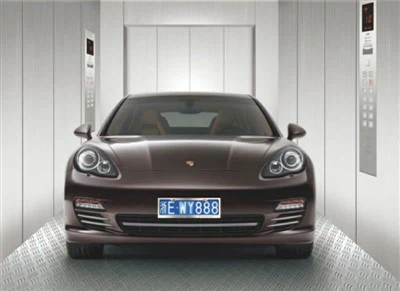
As a supplier of MRL Hospital Elevators, I am often asked about the fire-resistant features of our products. In this blog post, I will delve into the details of the fire-resistant characteristics of MRL Hospital Elevators and explain why they are crucial in a healthcare setting.
The Importance of Fire Resistance in Hospital Elevators
Hospitals are complex environments where the safety and well-being of patients, staff, and visitors are of utmost importance. In the event of a fire, elevators can play a critical role in evacuation and emergency response. However, traditional elevators can pose significant risks during a fire, such as the spread of smoke and fire through the elevator shaft, electrical malfunctions, and the potential for entrapment.
Fire-resistant elevators are designed to mitigate these risks by providing a safe and reliable means of transportation during a fire. They are built to withstand high temperatures, prevent the spread of smoke and fire, and maintain their functionality for a specified period of time. This allows for the safe evacuation of patients, the transport of emergency medical equipment, and the access of firefighters to different floors of the hospital.
Fire-Resistant Features of MRL Hospital Elevators
MRL (Machine Room-Less) Hospital Elevators are a popular choice for healthcare facilities due to their space-saving design, energy efficiency, and smooth operation. In addition to these benefits, MRL Hospital Elevators also offer several fire-resistant features that make them a reliable option in the event of a fire.
Fire-Resistant Enclosure
The elevator car and shaft of MRL Hospital Elevators are typically constructed with fire-resistant materials, such as fire-rated steel or concrete. These materials are designed to withstand high temperatures and prevent the spread of fire and smoke from one floor to another. The enclosure also helps to protect the elevator components from damage during a fire, ensuring that the elevator remains operational for as long as possible.
Smoke Control System
MRL Hospital Elevators are equipped with a smoke control system that helps to prevent the accumulation of smoke in the elevator shaft and car. The system typically consists of smoke detectors, exhaust fans, and dampers that work together to remove smoke from the elevator environment. In the event of a fire, the smoke control system is activated automatically, ensuring that the elevator remains a safe and breathable environment for passengers.
Emergency Power Supply
To ensure that the elevator remains operational during a power outage, MRL Hospital Elevators are equipped with an emergency power supply (EPS). The EPS provides backup power to the elevator motor, controls, and lighting, allowing the elevator to continue operating for a limited period of time. This is especially important in a healthcare setting, where the elevator may be needed to transport patients and medical equipment during a fire or other emergency.
Fire-Resistant Door Systems
The doors of MRL Hospital Elevators are designed to be fire-resistant, preventing the spread of fire and smoke from the elevator car to the hallway or other areas of the hospital. The doors are typically constructed with fire-rated materials and are equipped with automatic closing mechanisms that activate in the event of a fire. This helps to contain the fire and prevent it from spreading to other parts of the building.
Fire-Resistant Wiring and Cabling
The wiring and cabling used in MRL Hospital Elevators are also designed to be fire-resistant. They are typically made of materials that can withstand high temperatures and prevent the spread of fire and smoke. This helps to ensure that the elevator controls and other electrical components remain operational during a fire, reducing the risk of electrical malfunctions and other safety hazards.


Comparison with Other Types of Hospital Elevators
When it comes to fire resistance, MRL Hospital Elevators offer several advantages over other types of hospital elevators, such as SMR (Small Machine Room) and MR (Machine Room) elevators.
SMR Hospital Elevator
SMR Hospital Elevator are similar to MRL Hospital Elevators in terms of their space-saving design, but they typically require a small machine room to house the elevator machinery. While the machine room can be designed to be fire-resistant, it still represents an additional potential source of fire and smoke. In contrast, MRL Hospital Elevators do not require a machine room, eliminating this potential risk.
MR Hospital Elevator
MR Hospital Elevator are traditional elevators that require a separate machine room to house the elevator machinery. The machine room is typically located on the top or bottom floor of the building and is connected to the elevator shaft by a series of cables and pipes. While the machine room can be designed to be fire-resistant, it can also be a significant source of fire and smoke in the event of a fire. In addition, the cables and pipes connecting the machine room to the elevator shaft can provide a pathway for fire and smoke to spread from one floor to another. MRL Hospital Elevators, on the other hand, do not require a machine room or external cables and pipes, reducing the risk of fire and smoke spread.
Conclusion
In conclusion, MRL Hospital Elevators offer several fire-resistant features that make them a reliable option for healthcare facilities. Their fire-resistant enclosure, smoke control system, emergency power supply, fire-resistant door systems, and fire-resistant wiring and cabling all work together to ensure the safety and well-being of passengers in the event of a fire. Compared to other types of hospital elevators, MRL Hospital Elevators offer several advantages in terms of fire resistance, including a space-saving design and a reduced risk of fire and smoke spread.
If you are considering installing a new elevator in your healthcare facility, I encourage you to consider the fire-resistant features of MRL Hospital Elevators. Our team of experts can help you select the right elevator for your needs and ensure that it meets all of the necessary safety and fire code requirements. Contact us today to learn more about our MRL Hospital Elevators and to schedule a consultation.
References
- International Building Code (IBC)
- National Fire Protection Association (NFPA) codes and standards
- Elevator industry standards and guidelines