What are the dimensions of a typical freight elevator?
As a seasoned supplier in the freight elevator industry, I've had the privilege of working with a diverse range of clients and projects, each with its unique requirements. One of the most frequently asked questions I encounter is about the dimensions of a typical freight elevator. In this blog post, I'll delve into the key aspects of freight elevator dimensions, including standard sizes, factors influencing them, and how to choose the right dimensions for your specific needs.
Standard Dimensions of Freight Elevators
Freight elevators come in a variety of sizes to accommodate different types of cargo and building configurations. While there is no one - size - fits - all, there are some common standard dimensions that are widely used in the industry.
Door Sizes:
The door width of a freight elevator typically ranges from 4 feet (1.22 meters) to 8 feet (2.44 meters). A 4 - foot door is suitable for smaller items or in spaces where there are space constraints. For larger equipment, pallets, or vehicles, a wider door of 6 to 8 feet is more appropriate. The door height usually varies from 7 feet (2.13 meters) to 8 feet (2.44 meters). This allows for the vertical passage of tall items.
Car Sizes:
In terms of the car interior, the floor area can vary significantly. Smaller freight elevators may have a floor area of around 30 square feet (2.79 square meters), which is suitable for light - duty applications such as transporting small boxes or equipment within a small building. Medium - sized freight elevators often have a floor area between 60 and 100 square feet (5.57 - 9.29 square meters). These can handle larger pallets and a greater volume of goods. Larger freight elevators can have floor areas exceeding 200 square feet (18.58 square meters) and are designed for heavy - duty industrial use, like moving large machinery or vehicles.
The depth of the elevator car can range from 6 feet (1.83 meters) to 12 feet (3.66 meters), while the width can be between 5 feet (1.52 meters) and 10 feet (3.05 meters). For example, a common medium - sized car might be 8 feet wide and 10 feet deep.
Factors Influencing Freight Elevator Dimensions
Several factors play a crucial role in determining the appropriate dimensions of a freight elevator.
Type of Cargo:
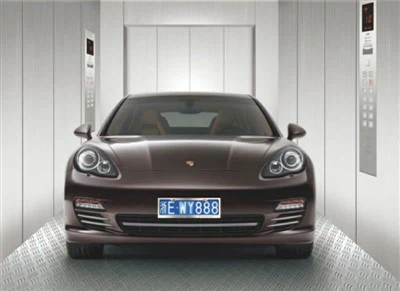
The nature of the goods being transported is a primary consideration. If you're dealing with long and narrow items like pipes or lumber, a deeper car may be required. For bulky items such as furniture or large machinery, a wider and more spacious car is necessary. If you plan to transport vehicles, the elevator must be large enough to accommodate the length, width, and height of the largest vehicle that will use it.
Building Structure:
The layout and design of the building where the elevator will be installed also impact its dimensions. The available shaft space sets the upper limit on the size of the elevator car. In some older buildings, the shaft may be relatively narrow, restricting the size of the elevator. Additionally, the location of the elevator within the building, such as near loading docks or on different floors, may influence the required door width and car size for efficient loading and unloading.
Traffic Flow and Usage:
The frequency and volume of cargo movement are important factors. In a high - traffic environment, such as a large warehouse or distribution center, a larger elevator with wider doors may be needed to ensure quick and efficient loading and unloading. If the elevator is used infrequently or for light - duty tasks, a smaller and more cost - effective option may suffice.
Our Product Range and Dimensions
At our company, we offer a wide range of freight elevators to meet diverse customer needs. Our MR Freight Elevator is a popular choice for many medium - sized applications. It comes in various standard dimensions, with door widths ranging from 5 feet to 7 feet and car floor areas from 50 to 100 square feet. This elevator is known for its reliability and smooth operation, making it suitable for transporting a variety of goods, including pallets, small machinery, and large boxes.
Our Machine Room Cargo Elevator is designed for heavy - duty industrial use. It can be customized with larger door sizes, up to 8 feet wide, and car floor areas that can exceed 200 square feet. This elevator is capable of handling large and heavy items, such as construction equipment and large vehicles.
For those looking for a more space - efficient solution, our SMR Freight Elevator offers a compact design without compromising on performance. It has smaller door and car dimensions, making it ideal for buildings with limited space while still being able to transport a reasonable amount of cargo.
Choosing the Right Dimensions for Your Needs
When selecting the dimensions of a freight elevator, it's essential to conduct a thorough assessment of your specific requirements. Start by making a list of the types of cargo you'll be transporting, including their dimensions, weight, and volume. Consider the future growth of your business and whether you may need to transport larger or different types of goods in the coming years.
Work closely with our team of experts. We can visit your site, evaluate the building structure, and provide professional advice on the most suitable elevator dimensions. We'll take into account all the factors mentioned above to ensure that the elevator you choose meets your current and future needs.
Contact Us for Procurement and Consultation
If you're in the process of planning a new installation or replacing an existing freight elevator, we're here to help. Our team has extensive experience in the industry and can guide you through every step of the process, from choosing the right dimensions to installation and maintenance.


Whether you have a small - scale project or a large - scale industrial application, we have the expertise and product range to meet your needs. Contact us today to start the discussion about your freight elevator requirements. We look forward to working with you to find the perfect solution for your business.
References
- Elevator Handbook, Third Edition by A. O. Smith
- ASME A17.1 Safety Code for Elevators and Escalators